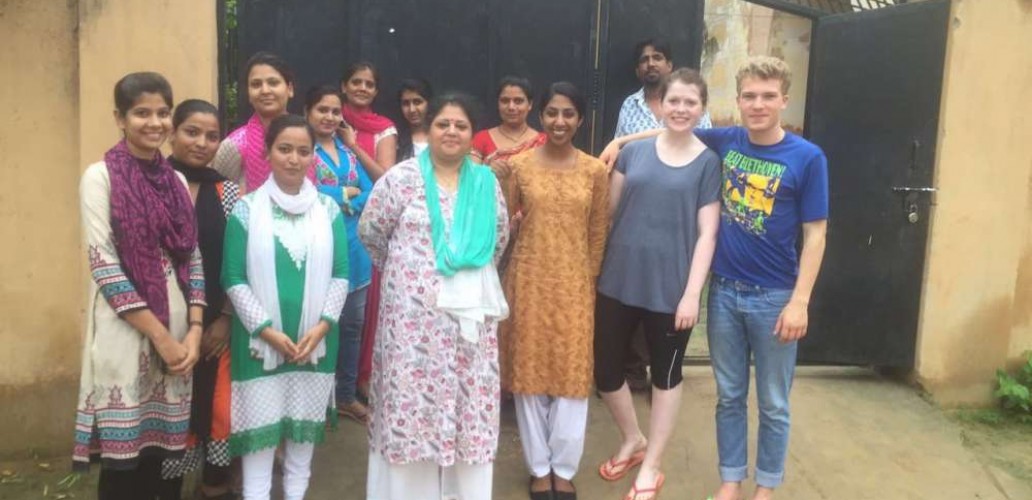
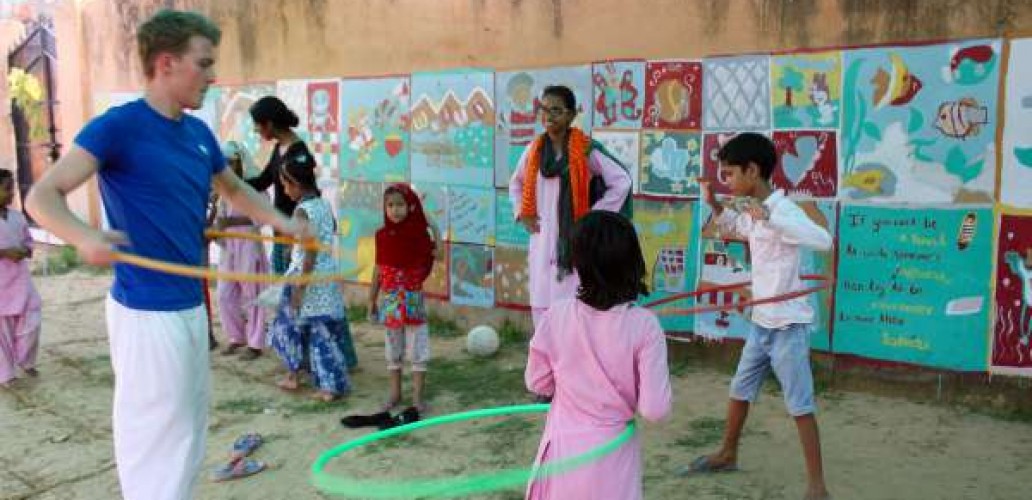
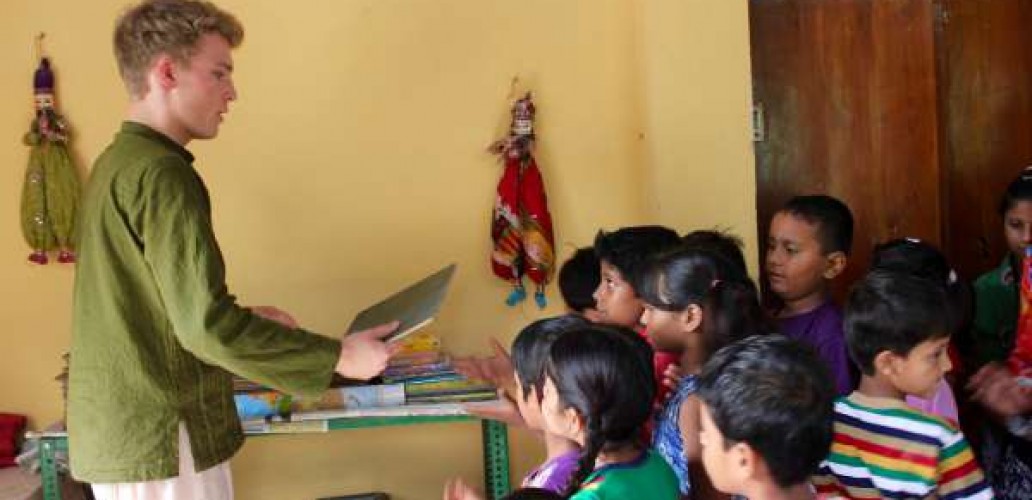
A Day out to Abhaneri

By Haridev Dadhich


It was one of those bustling and fast paced days in Tushita Office in Delhi, when Dheeraj mentioned that Jan and Rosenda are taking the kids from Tushita Foundation for an excursion to the step-wells at Abhaneri. He asked me if I wanted to go and I couldn’t resist saying Yes right away.

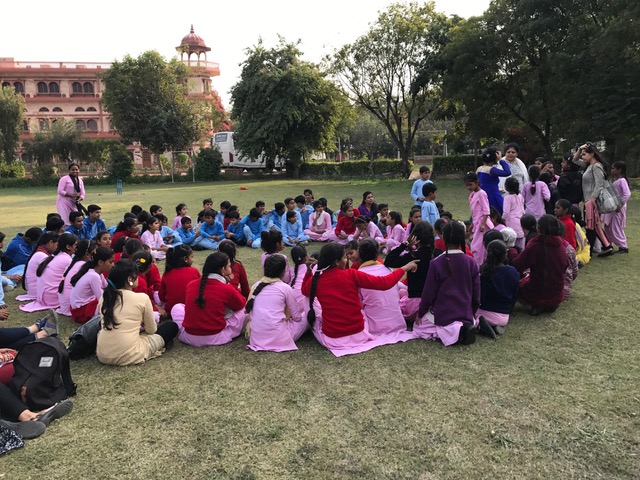
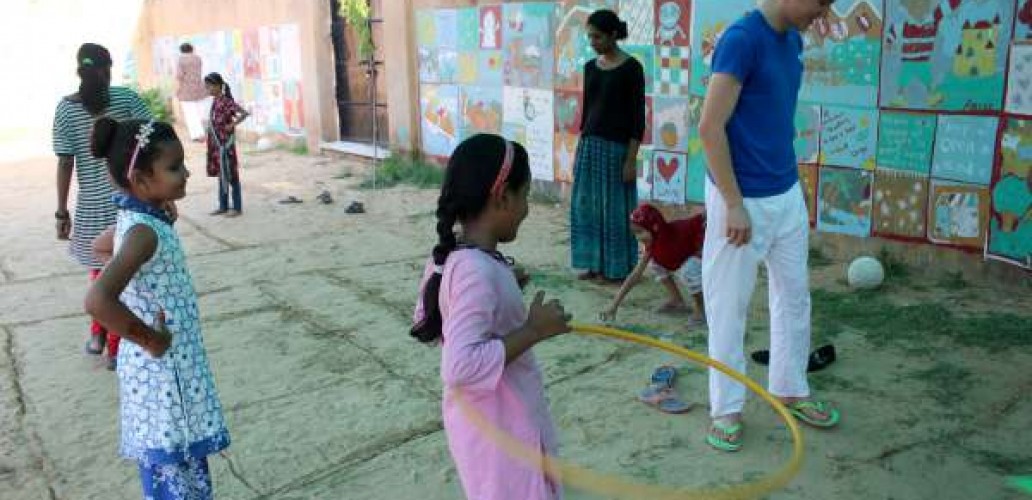
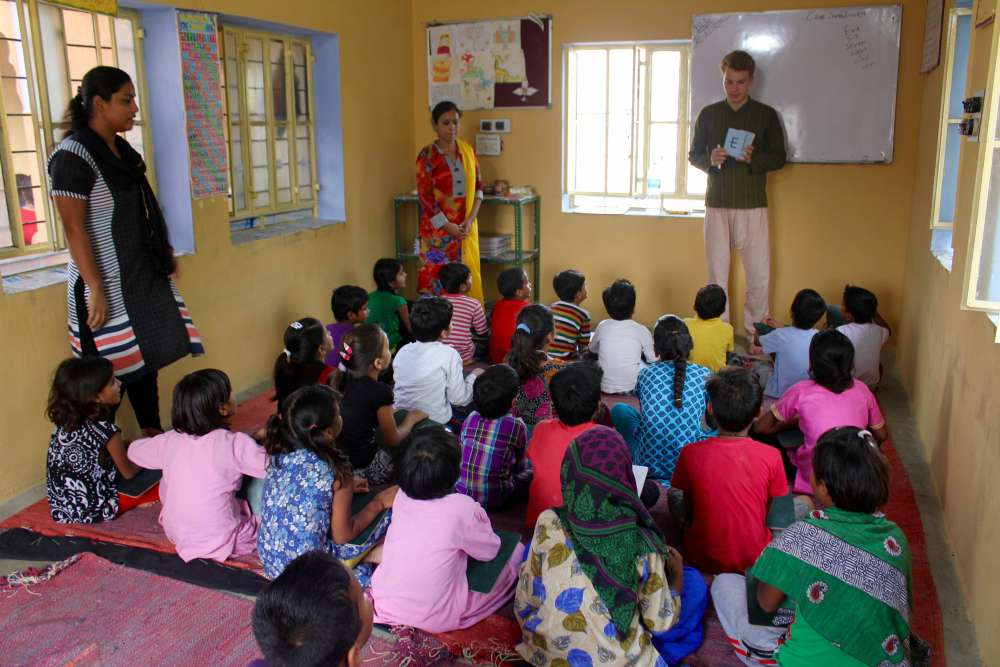
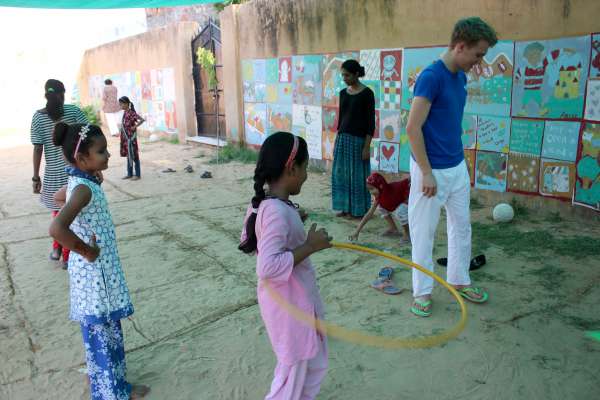
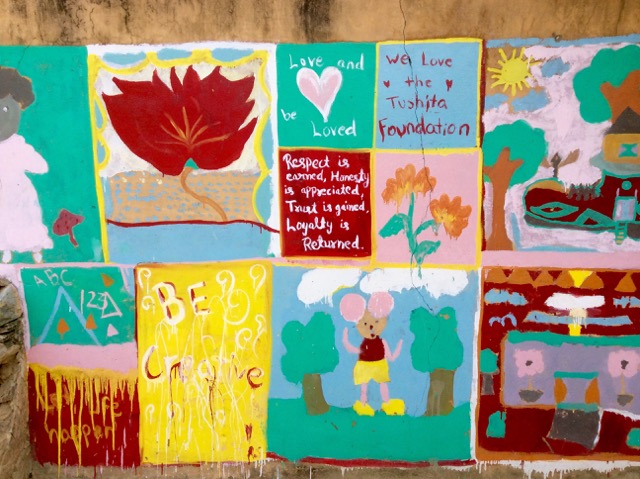
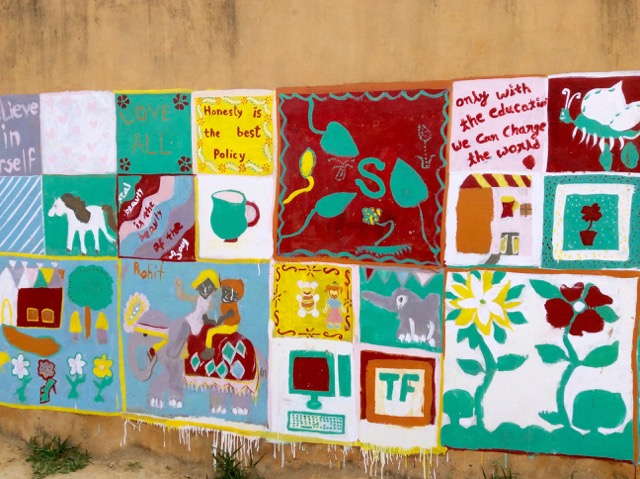
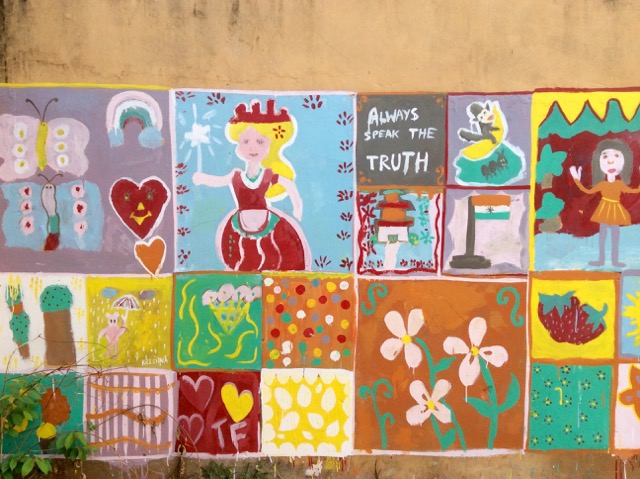
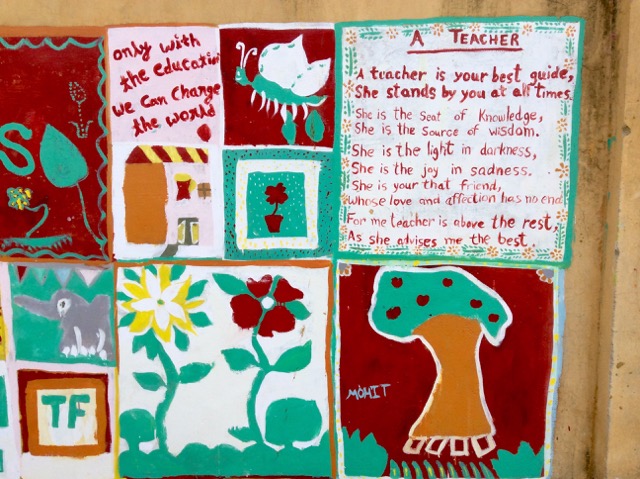
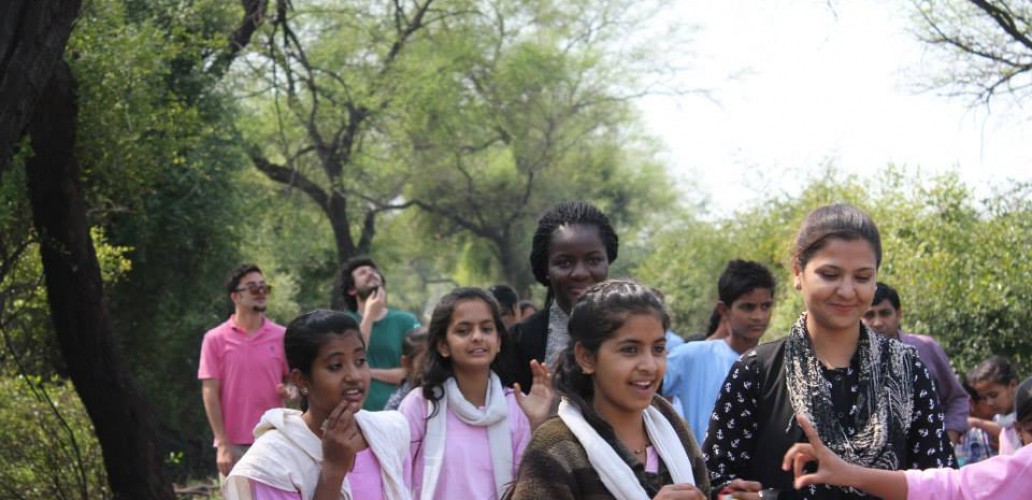
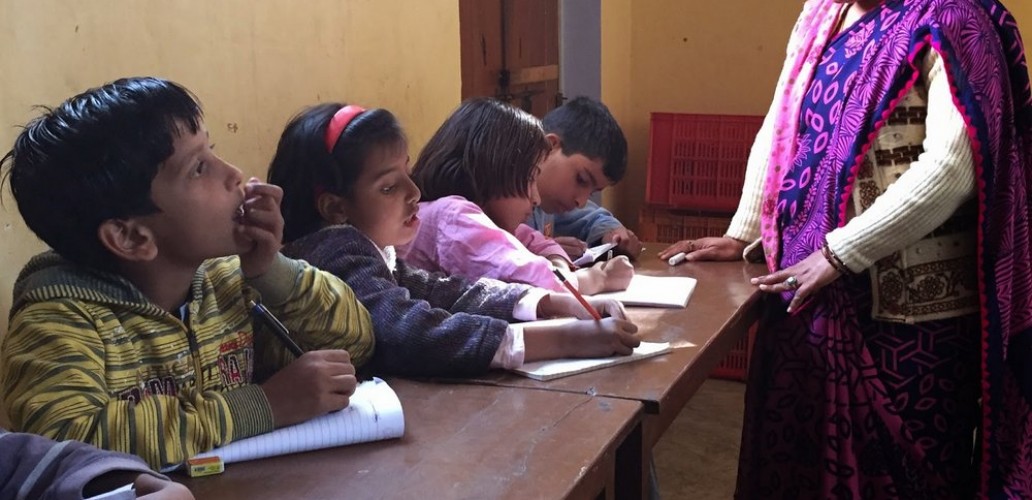
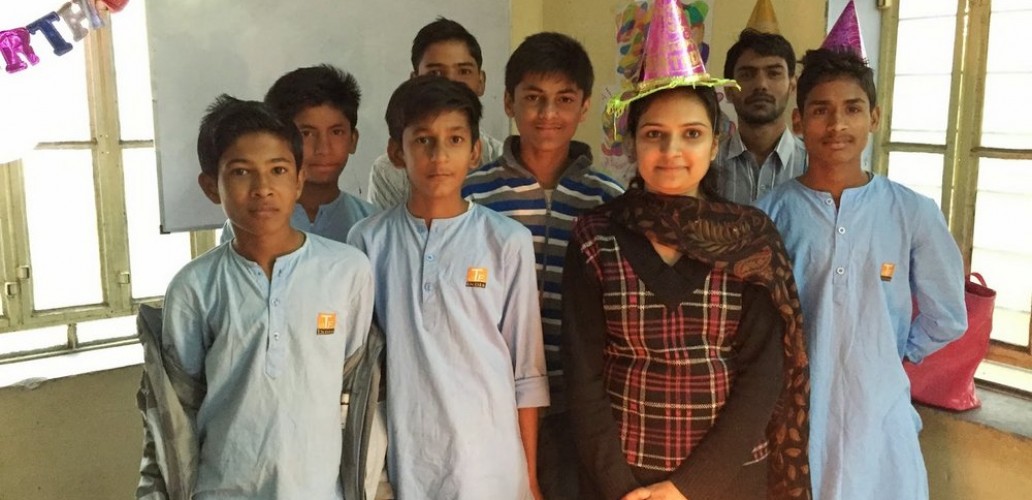
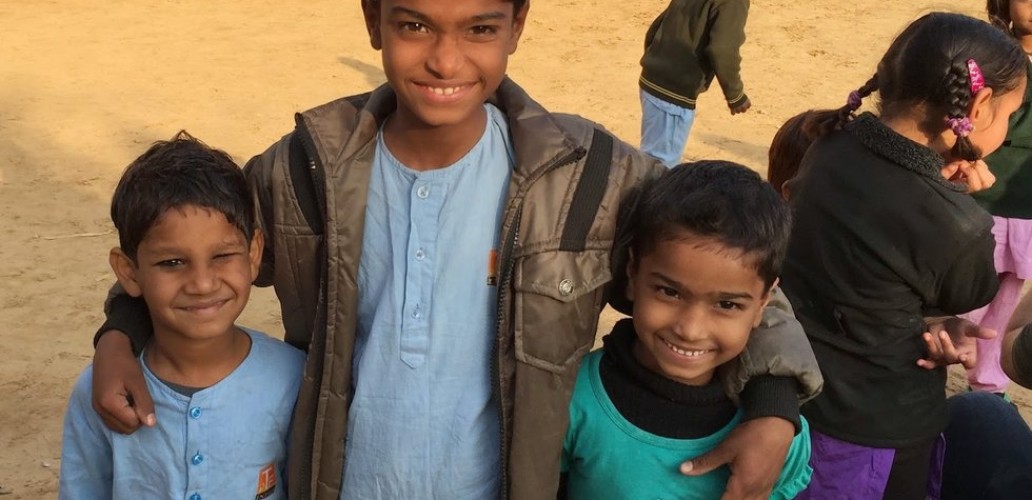
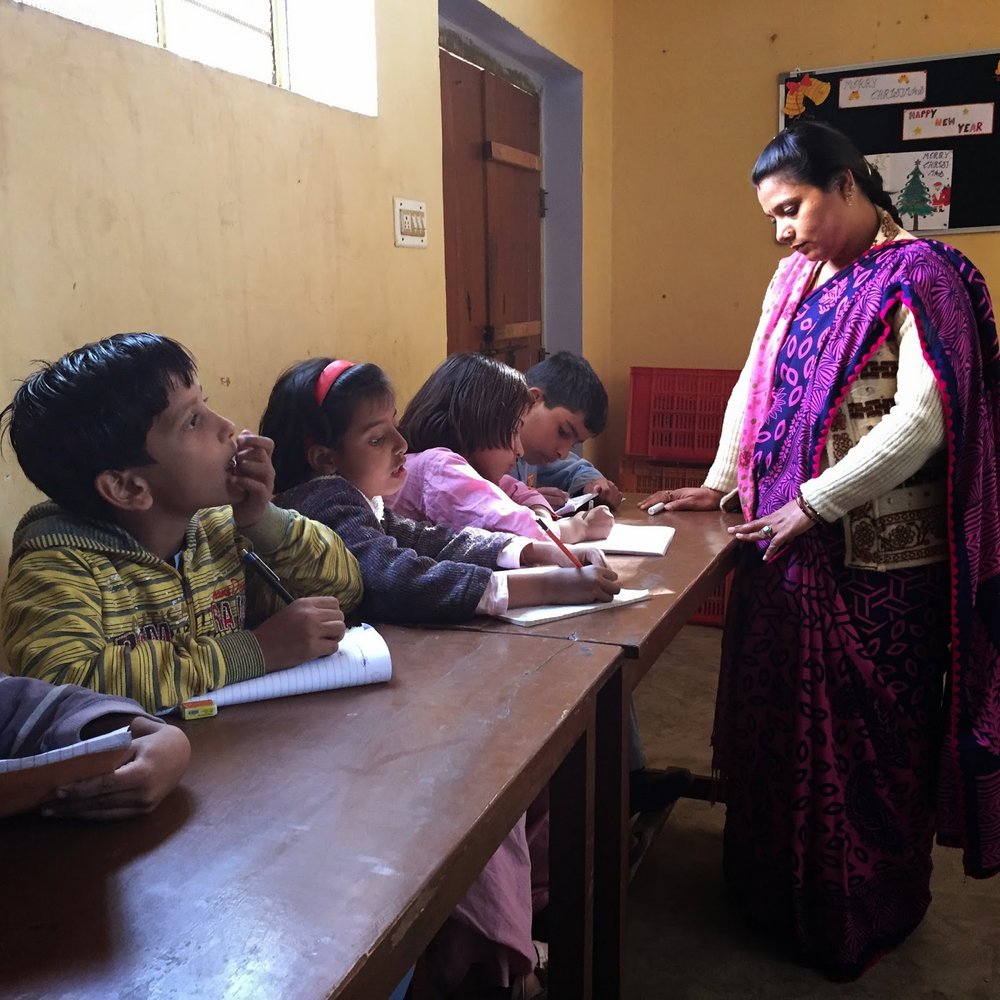
I was born and brought up in Jaipur and went to school close to where Tushita Foundation is located today. Everytime I think about the work that foundation does for the children in Amber (a village located right next to Jaipur), I feel a great deal of gratitude towards the founders, teachers and volunteers. Its a brilliant place for co-curricular learning and children embrace it as their second home.


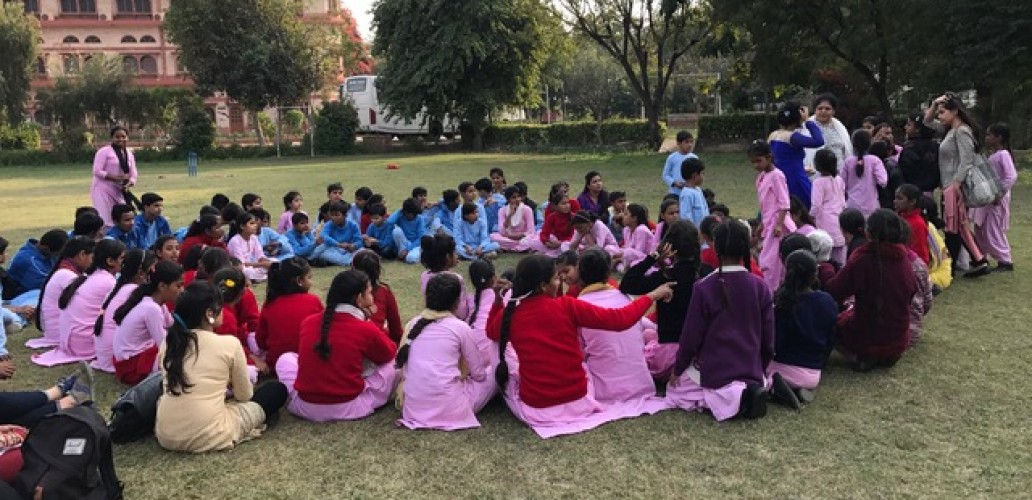
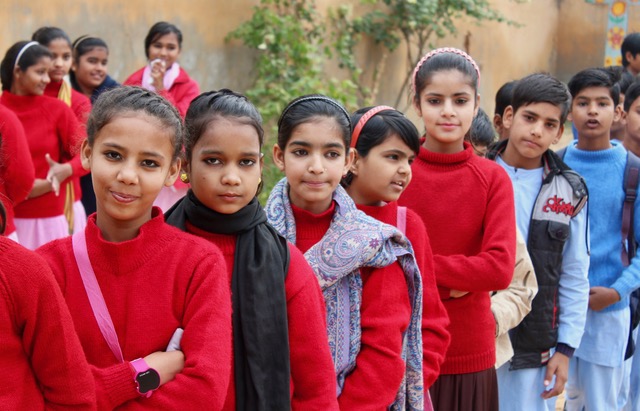
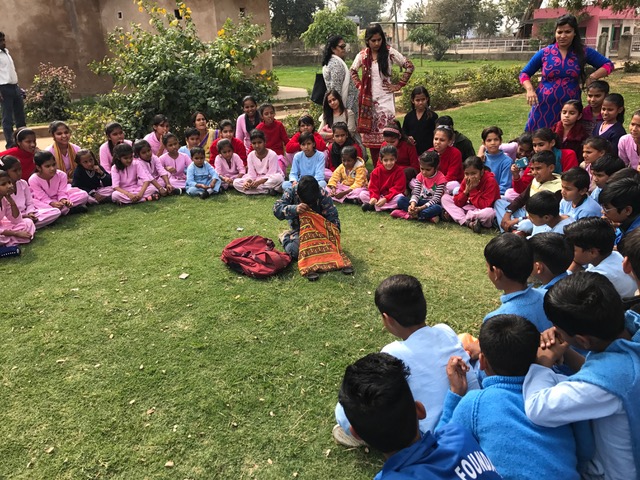
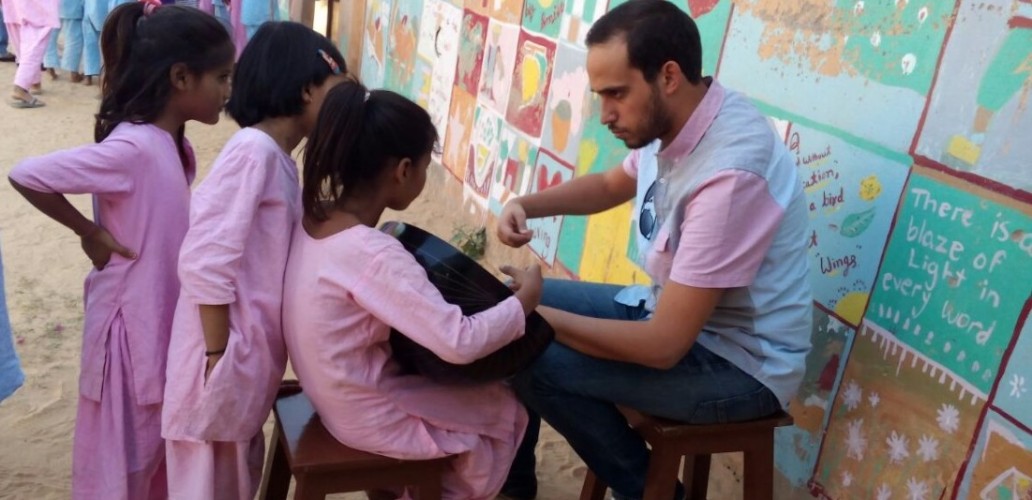
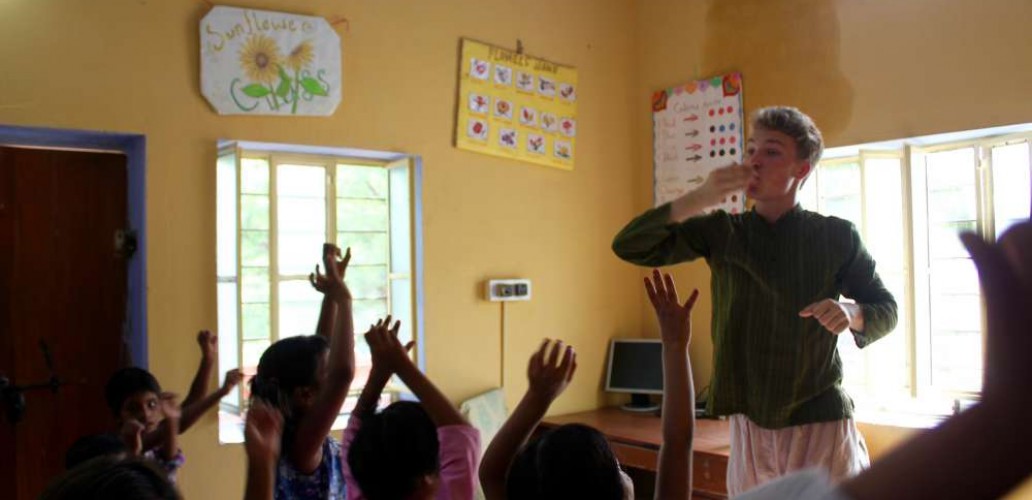
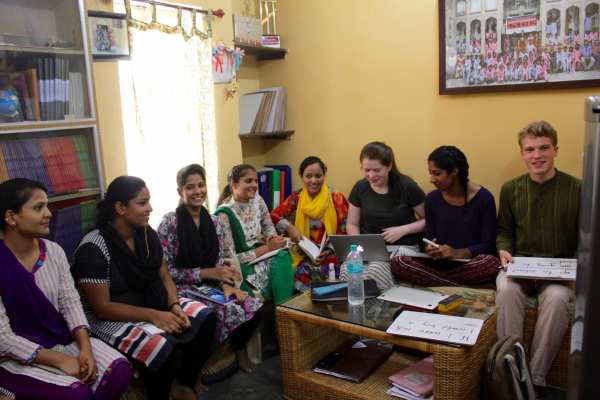
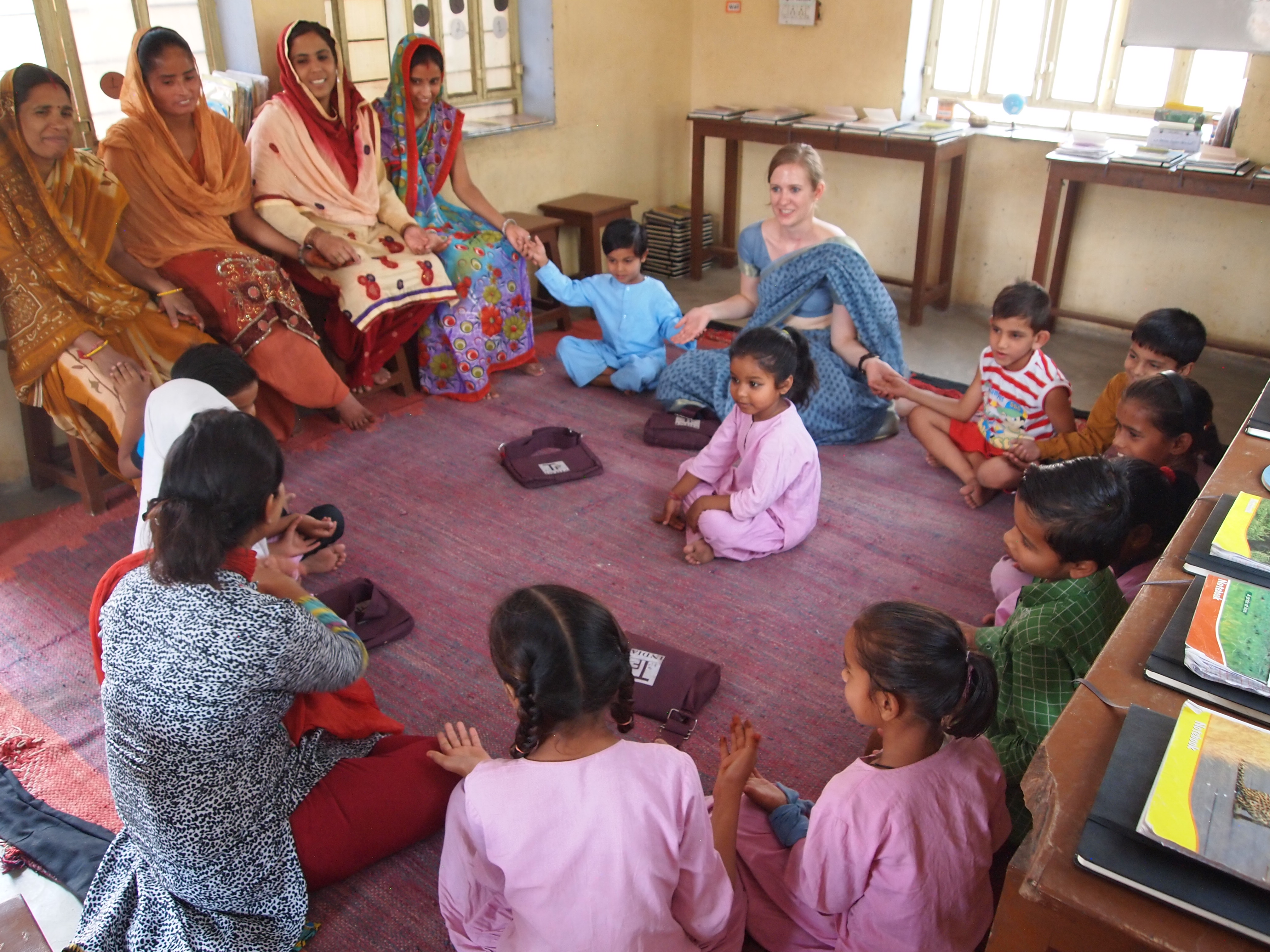
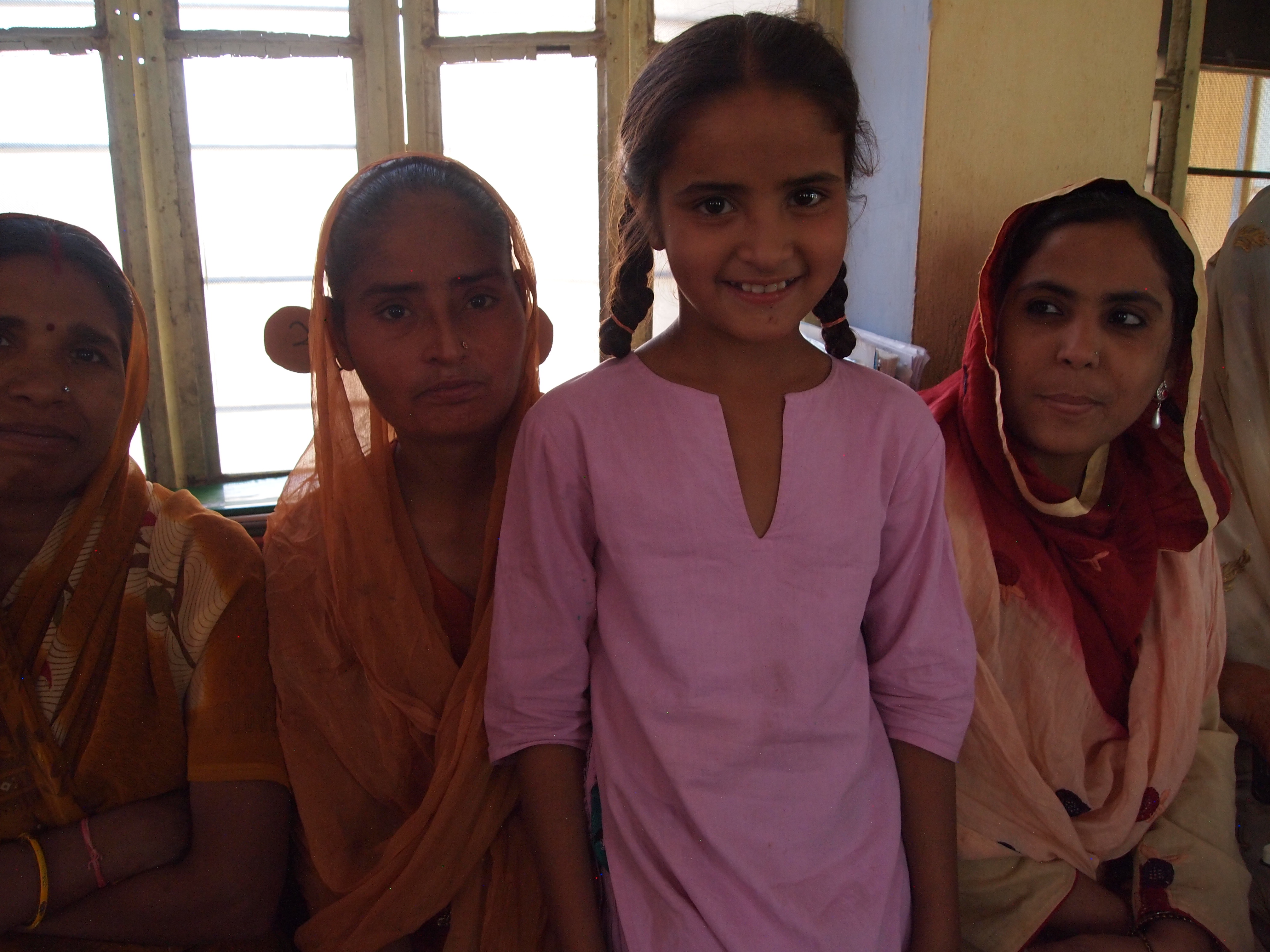
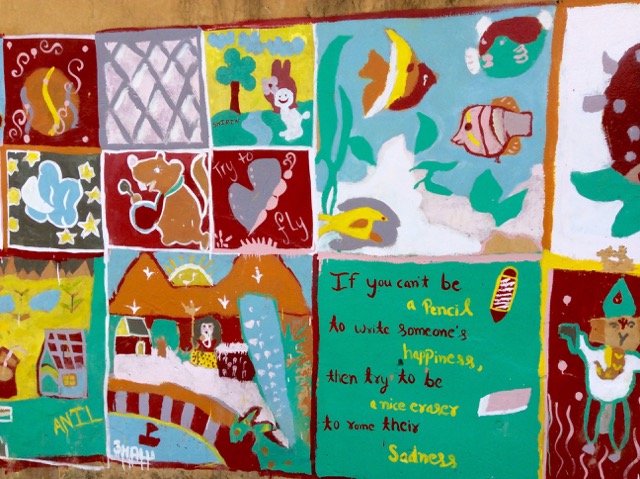
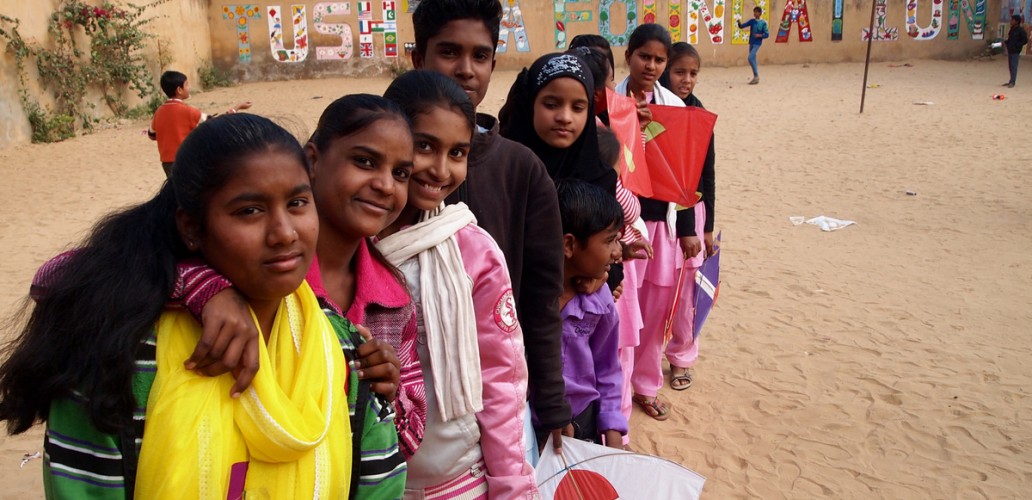
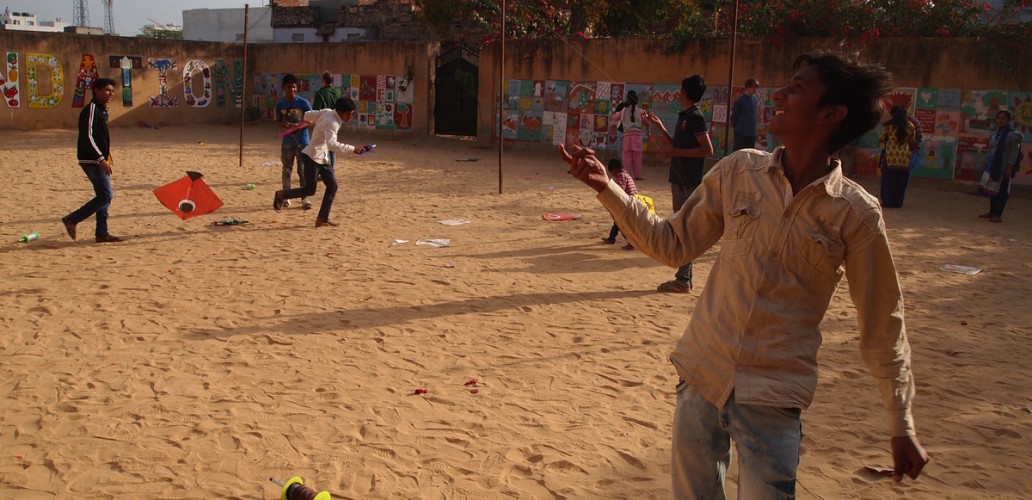
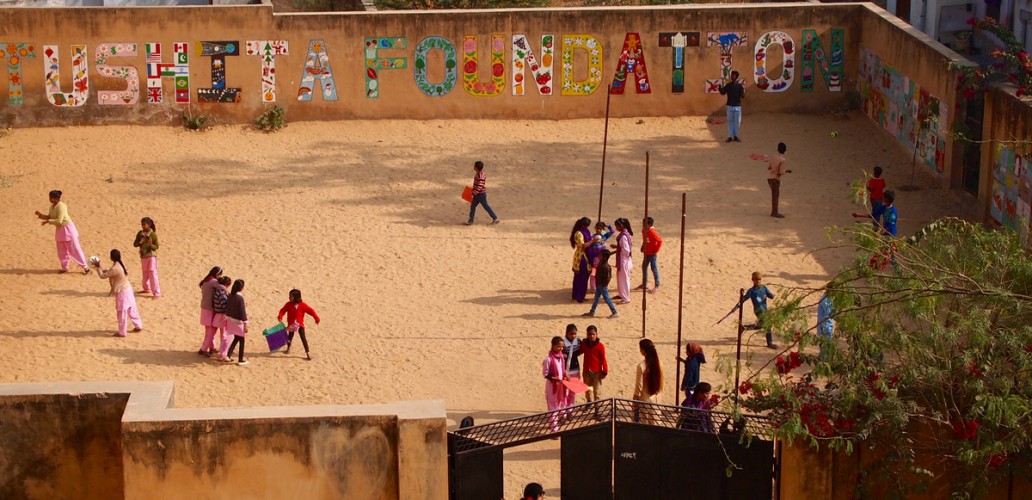
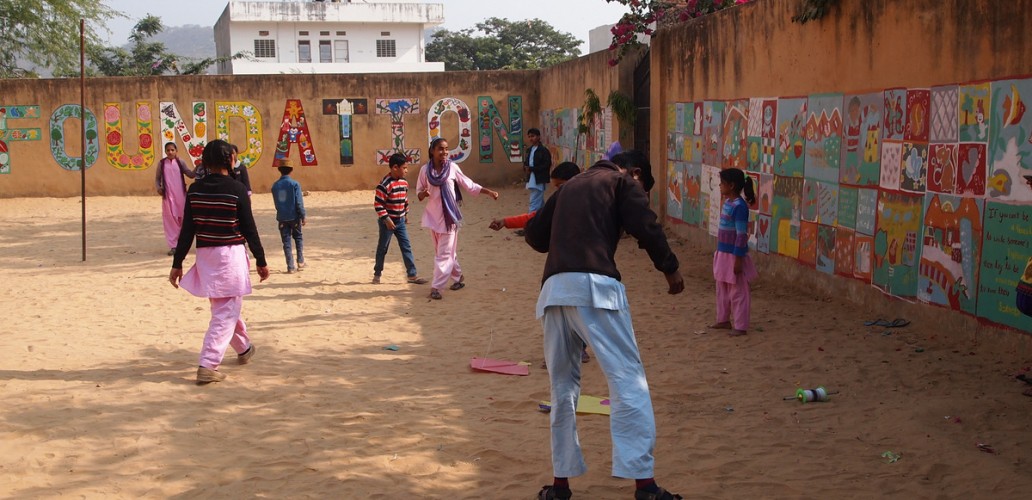
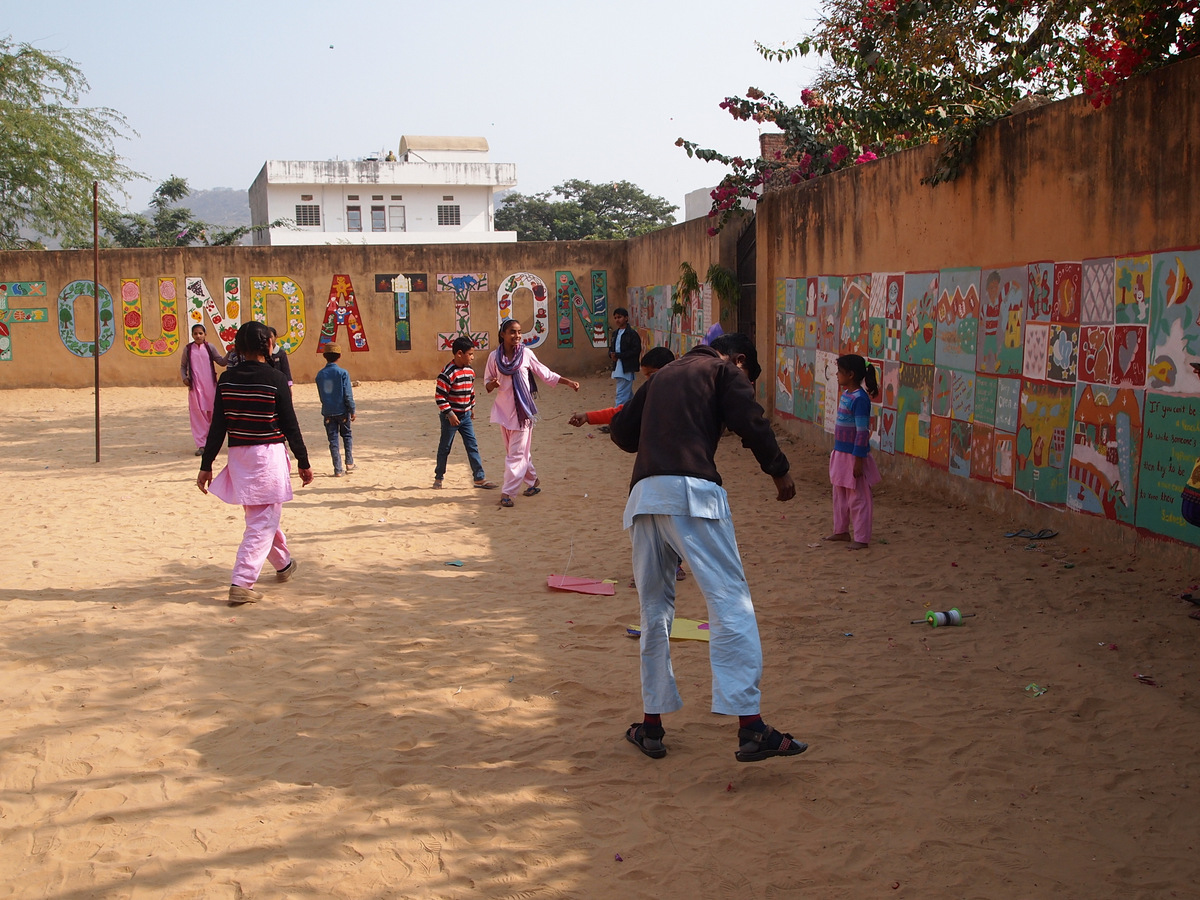
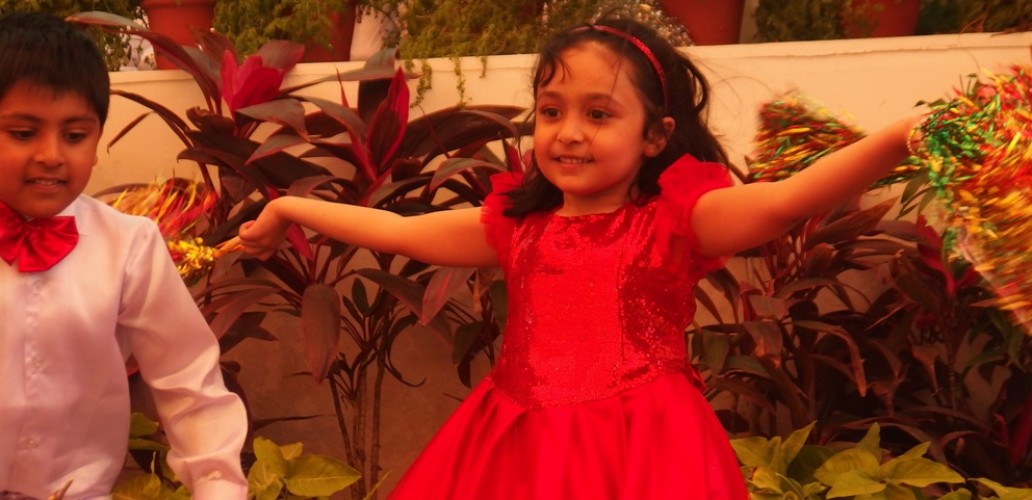
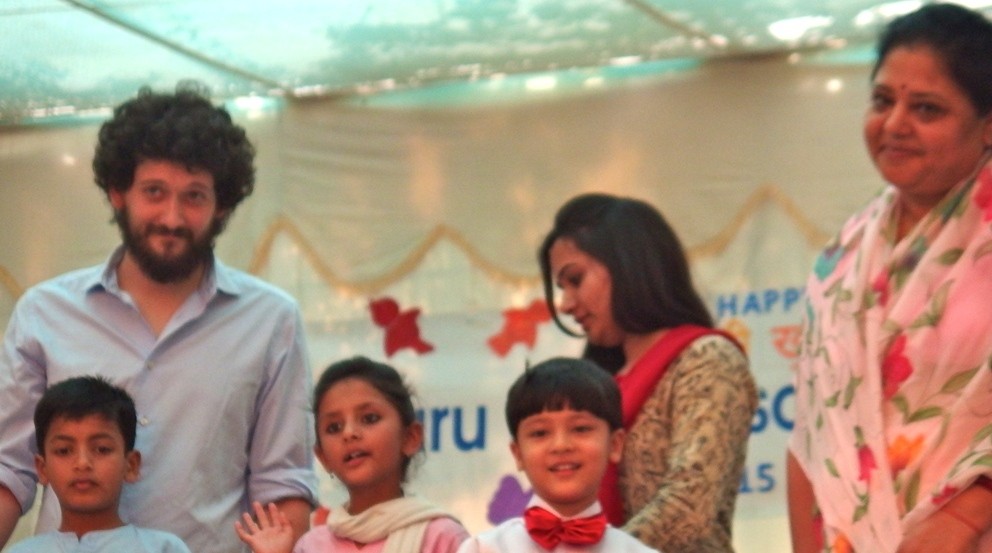
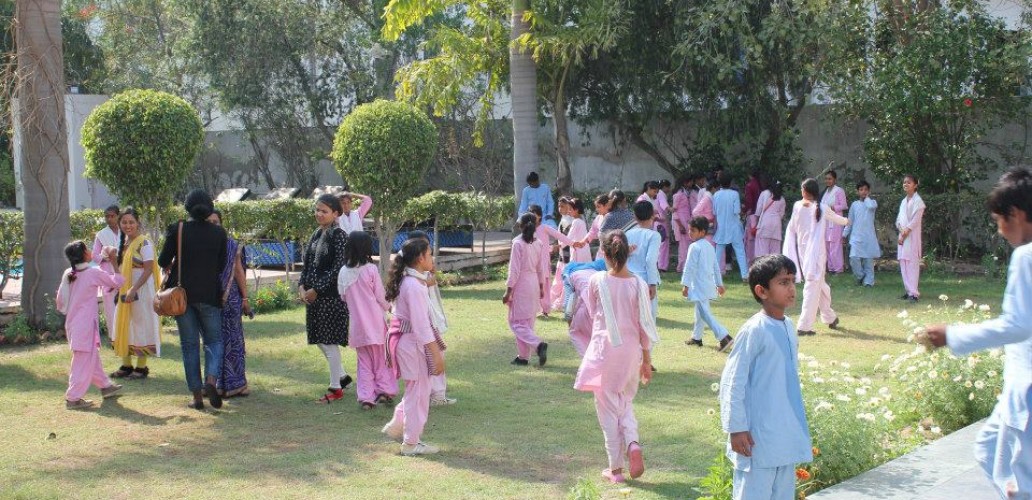
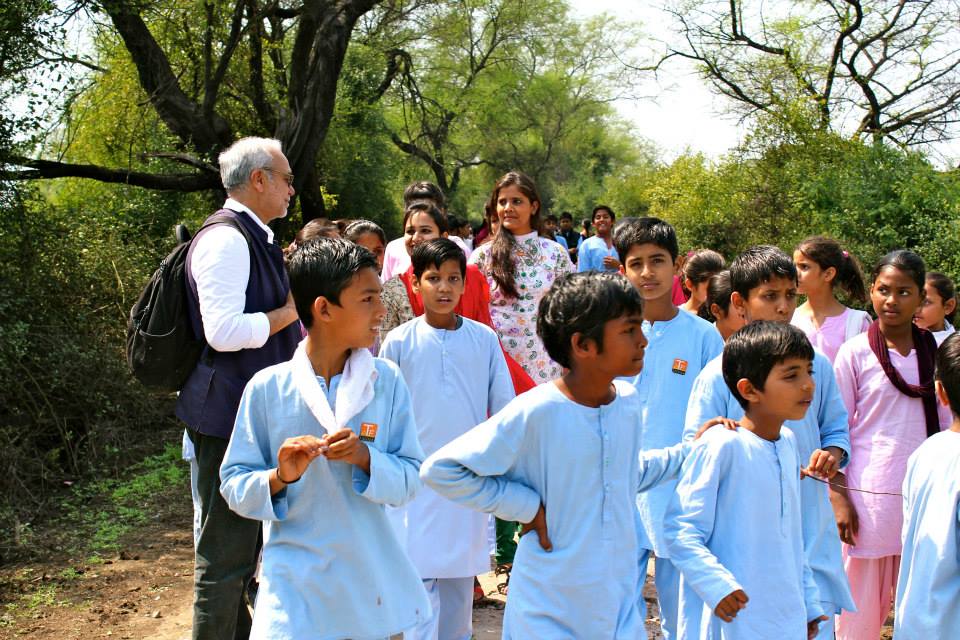
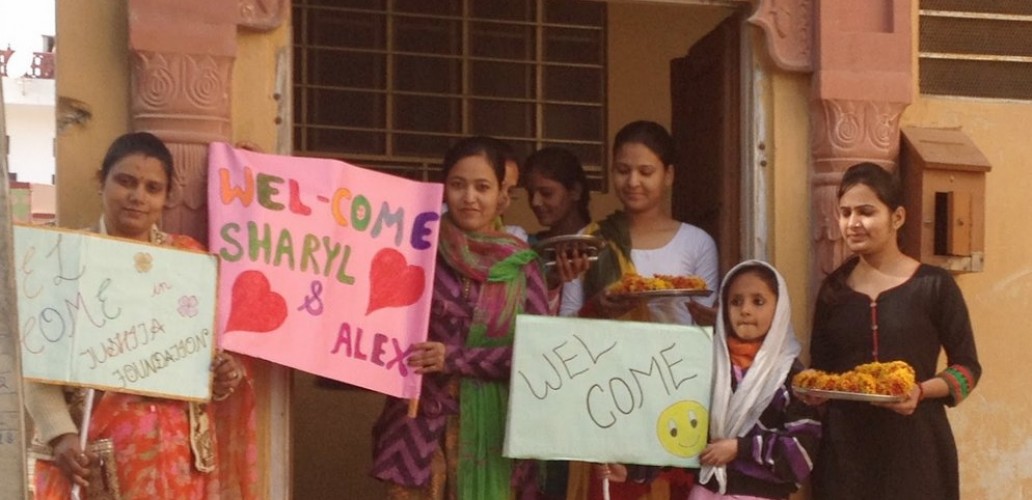
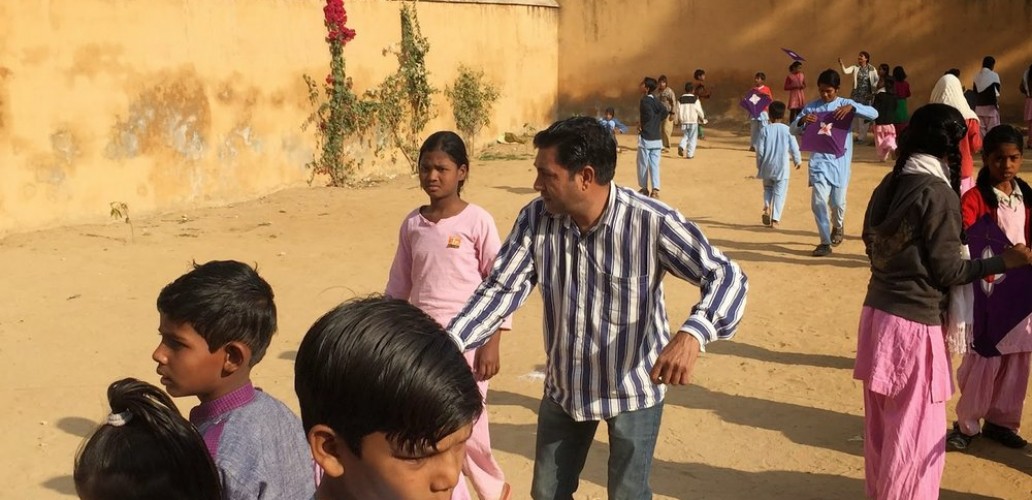
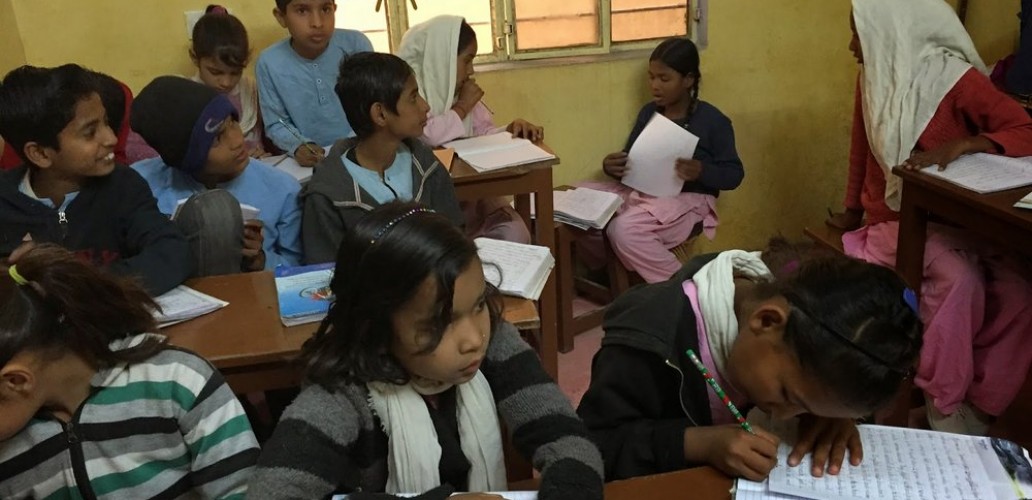
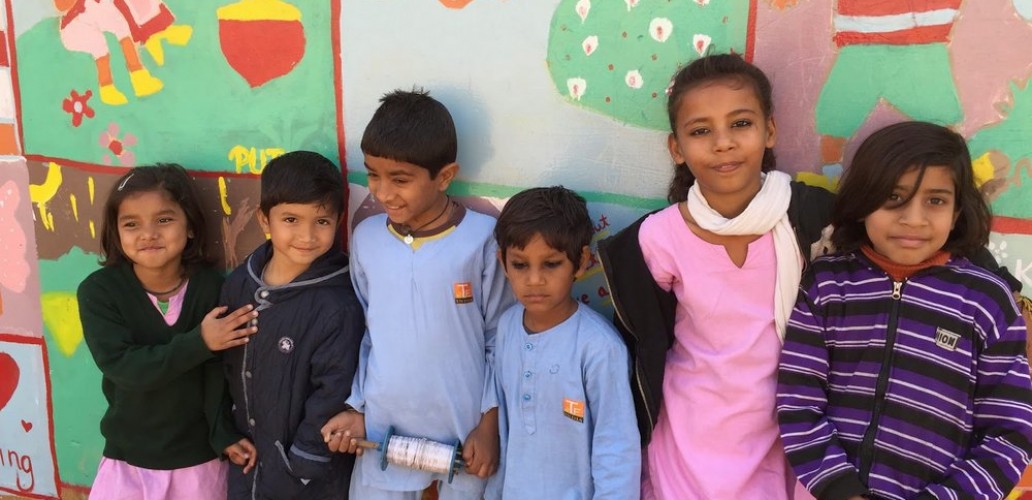
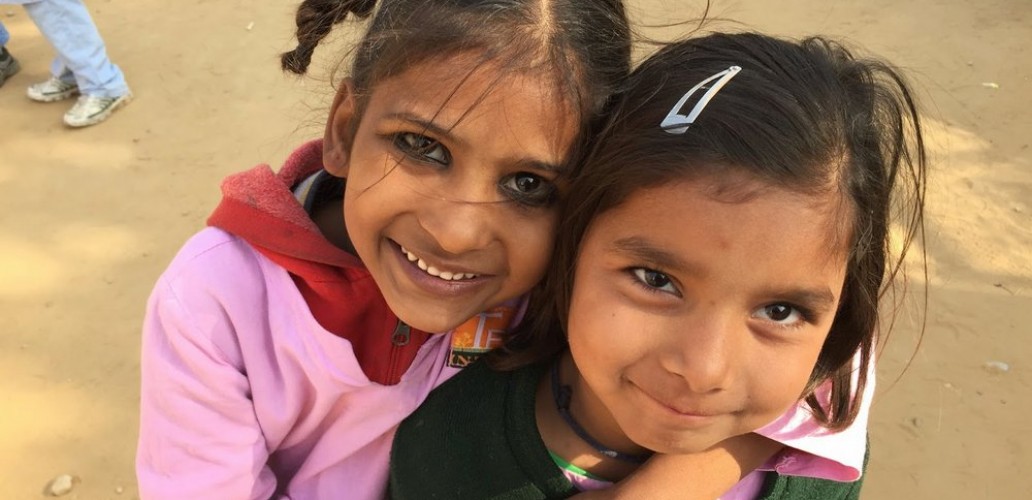
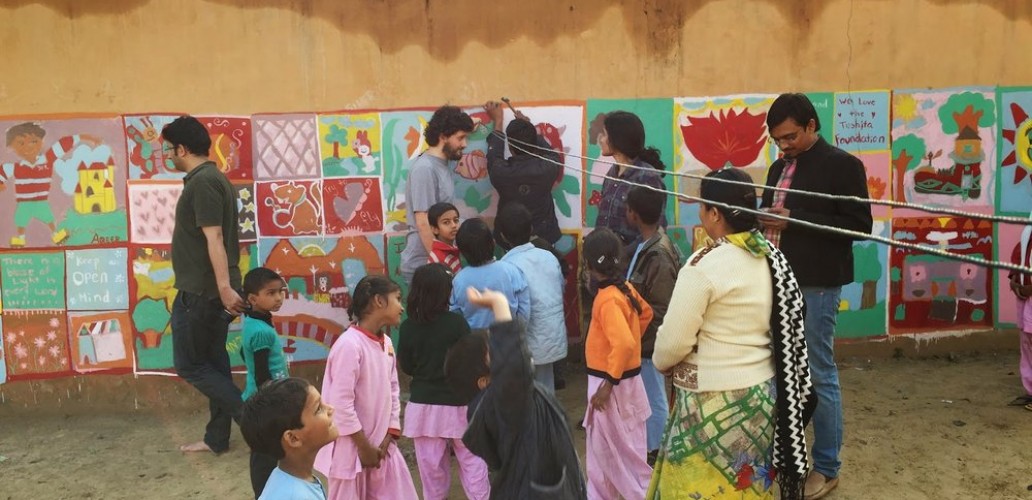
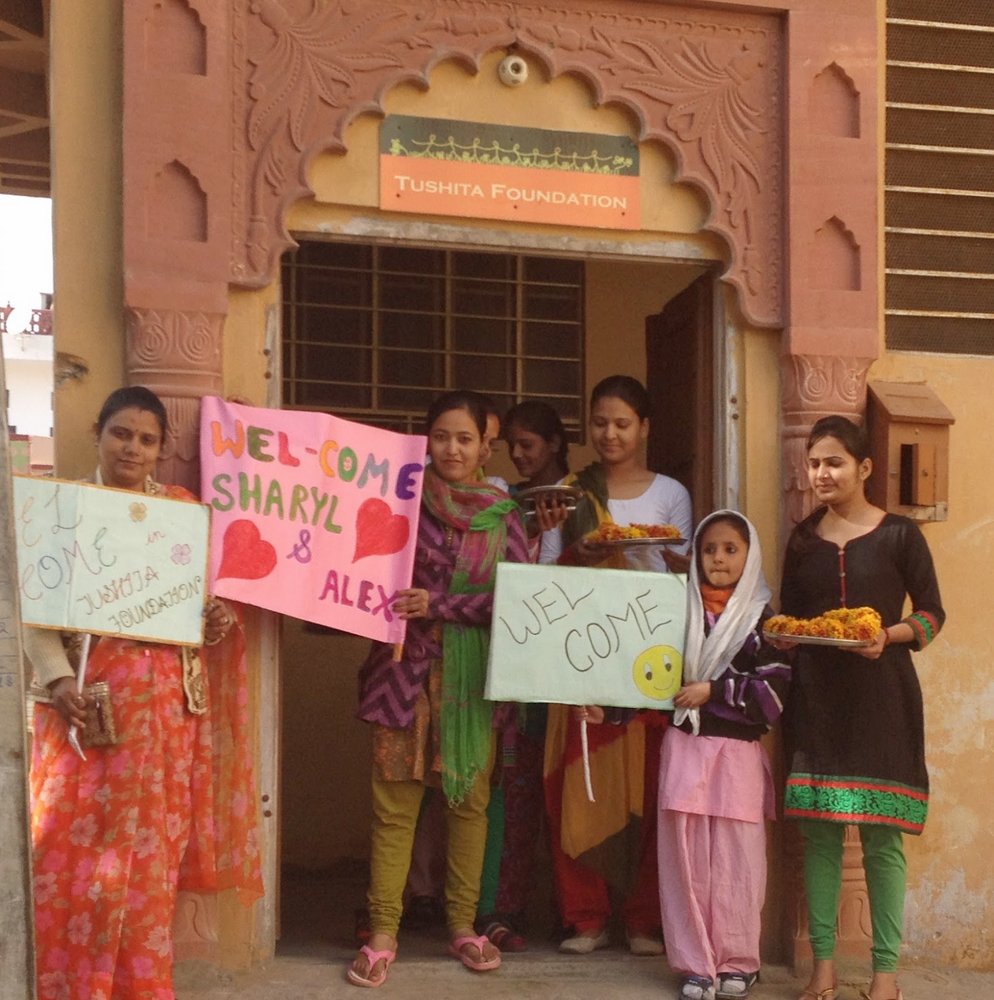
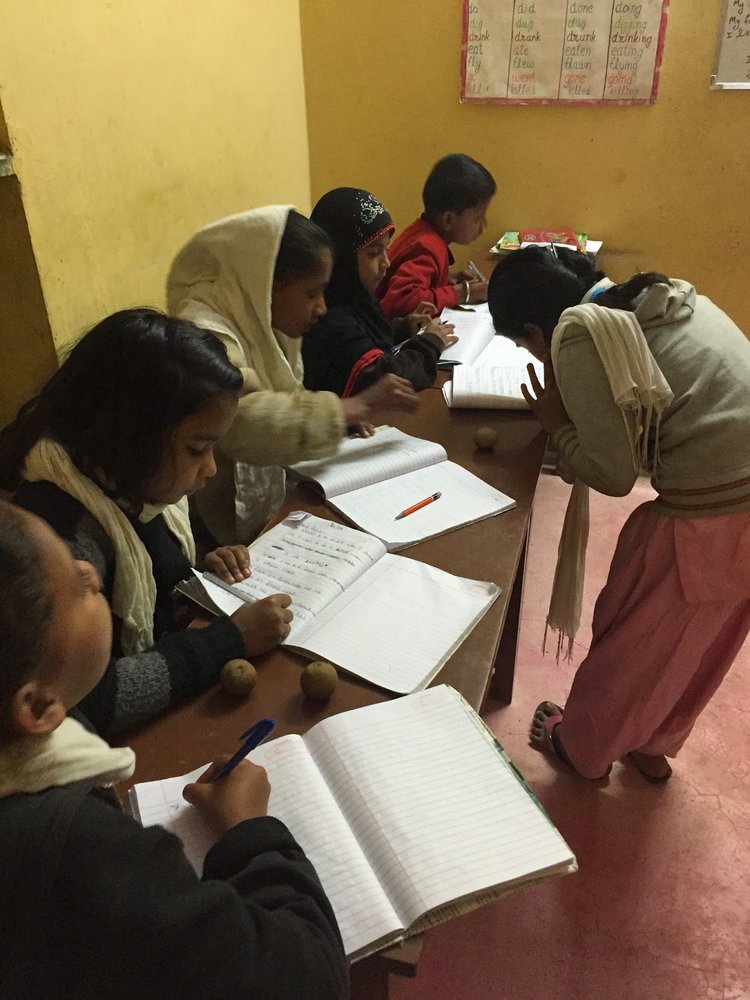
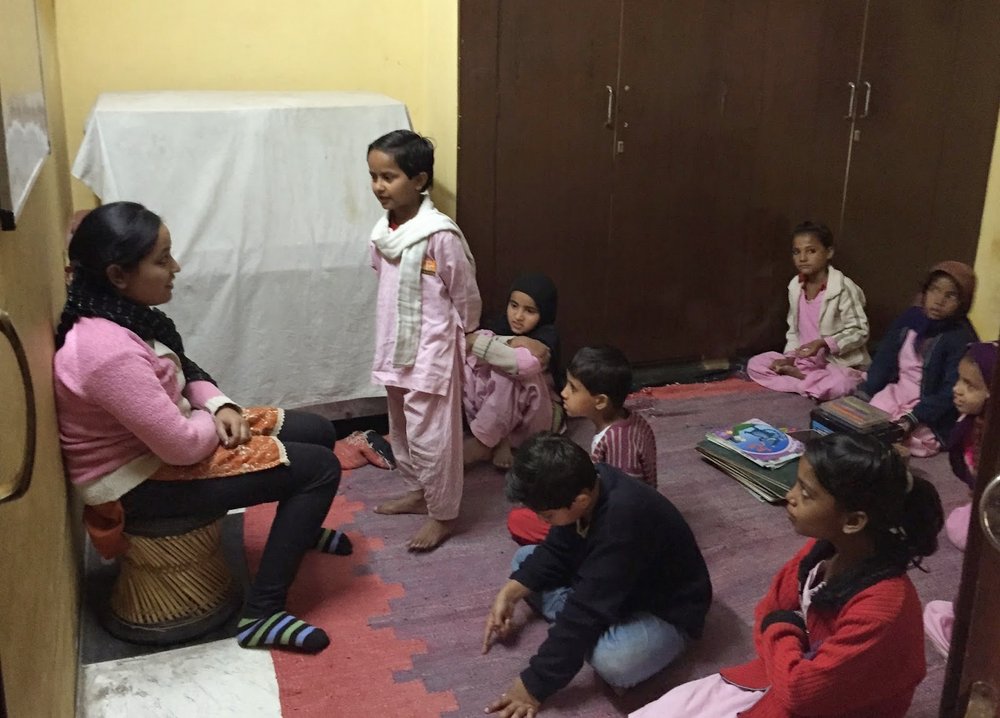
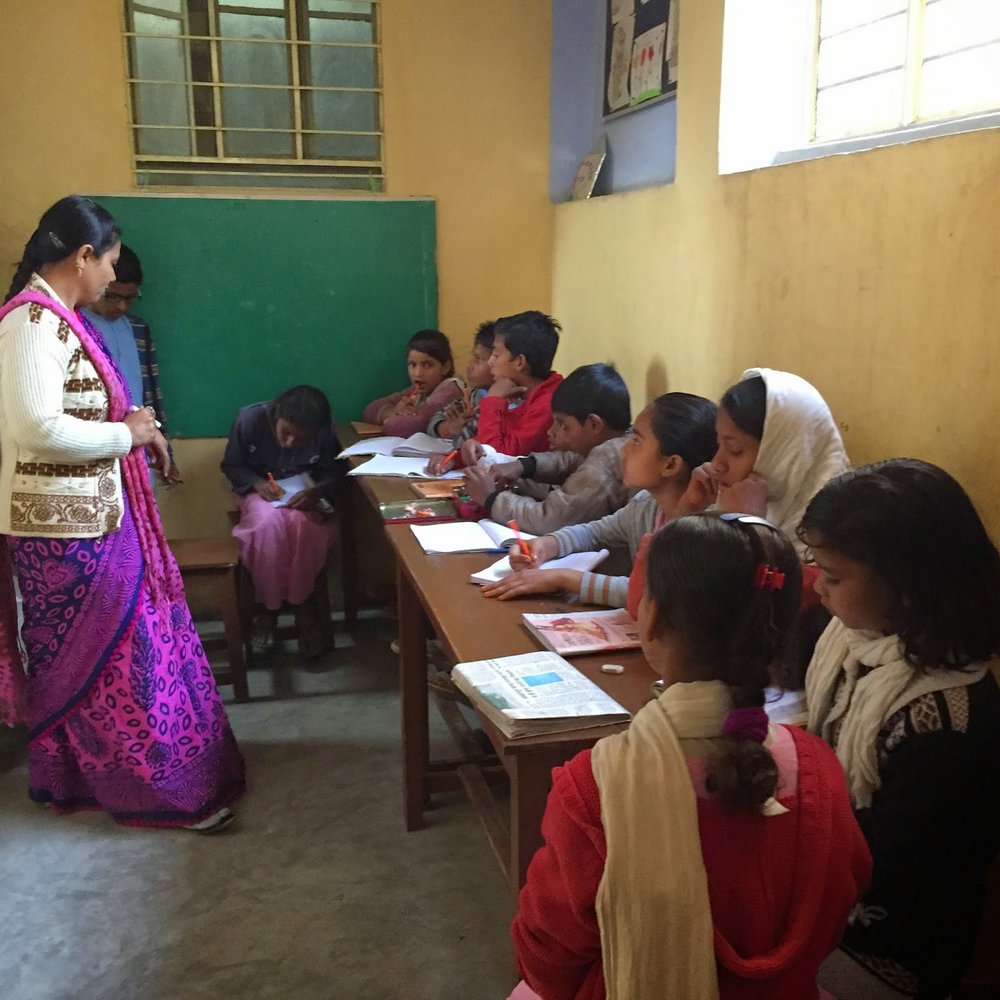
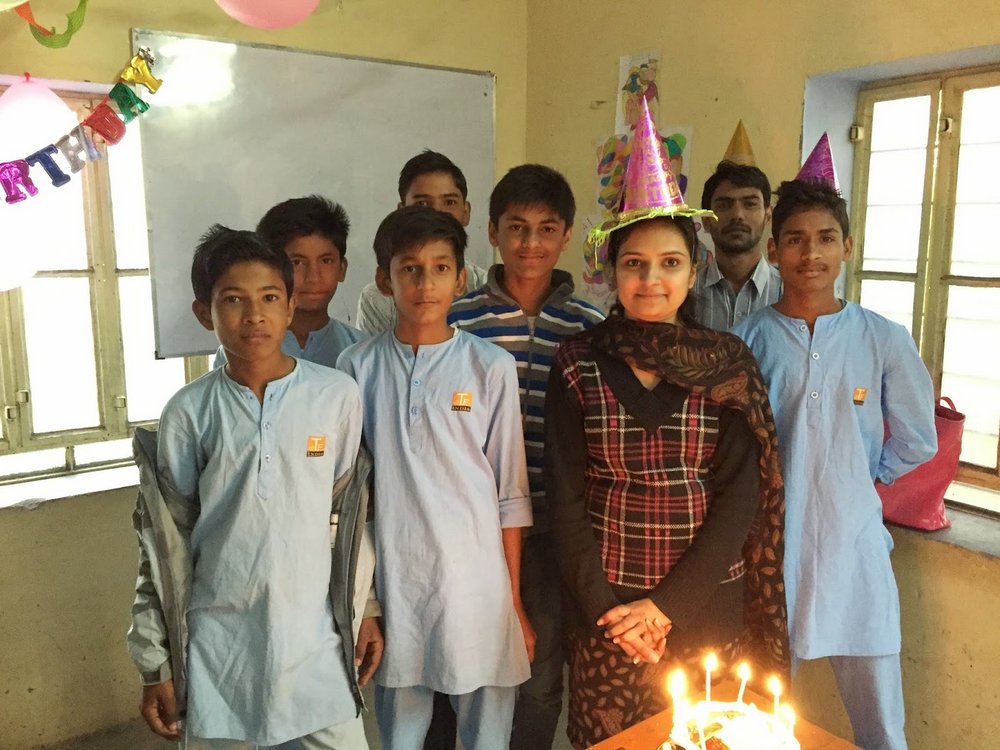
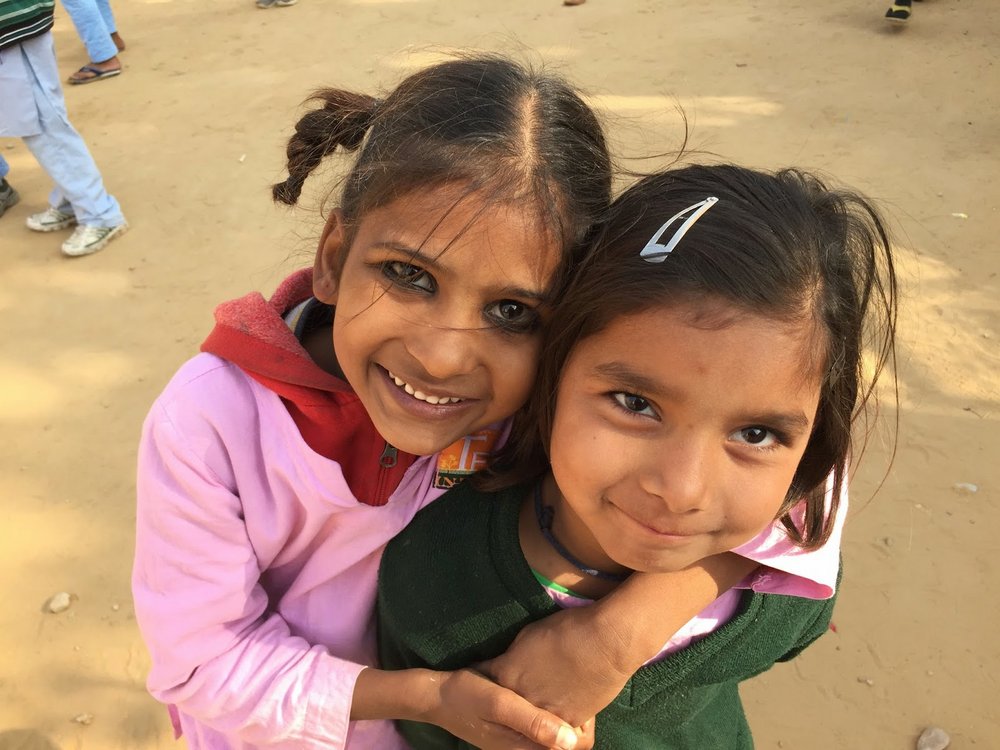
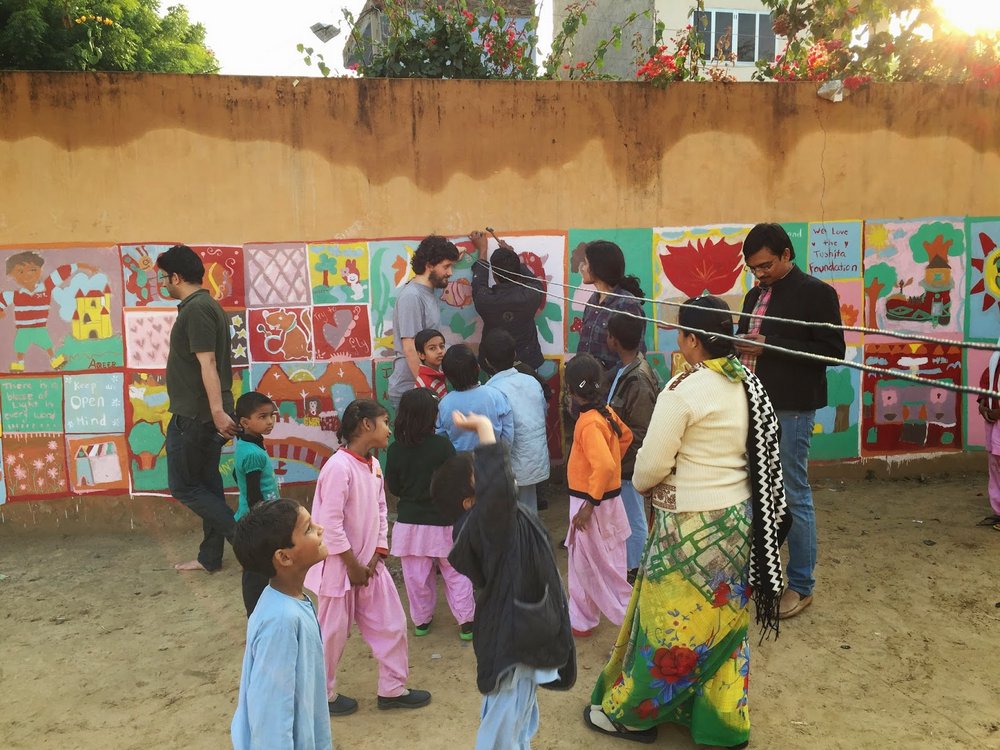
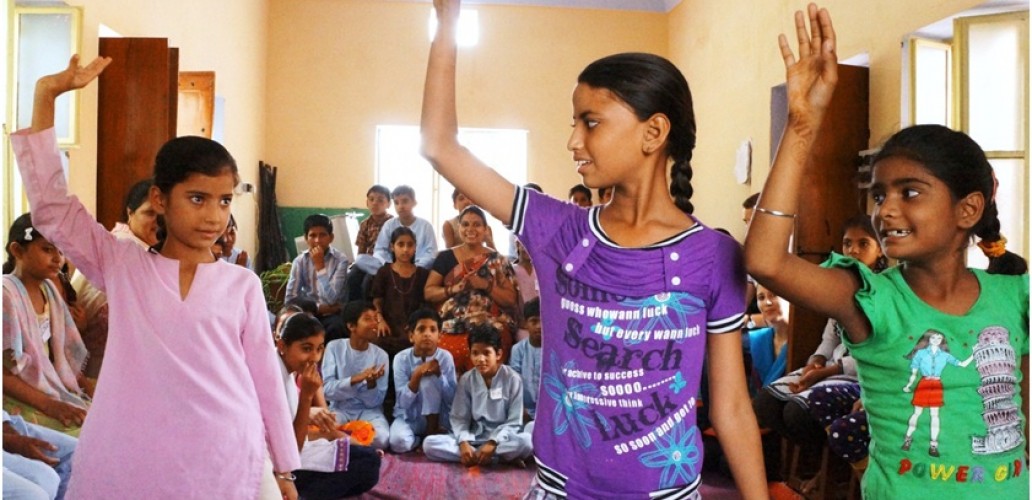
Image-1-Children at Foundation


So when there was a chance of visiting the step-wells at Abhaneri and that too in the company of the brilliant people from the Foundation, I took my father’s old bike and rode to the Foundation. Everybody had left and it was locked already when I reached, leading to a momentary gloom. I noticed a car turning around the corner and decided to follow it, hoping that I may find somebody. To my pleasant surprise I saw Veena Ji sitting inside the car and even though we haven’t met before I decided to call her to stop. Suddenly I felt excited knowing that I haven’t missed the trip and everybody is still in the buses parked outside.

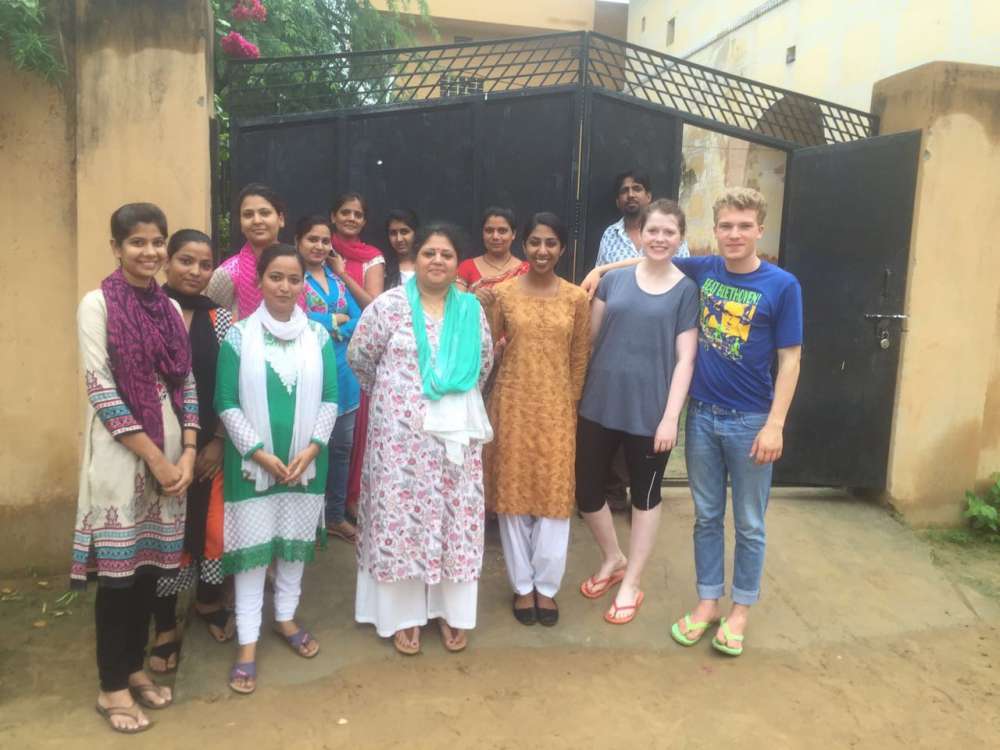
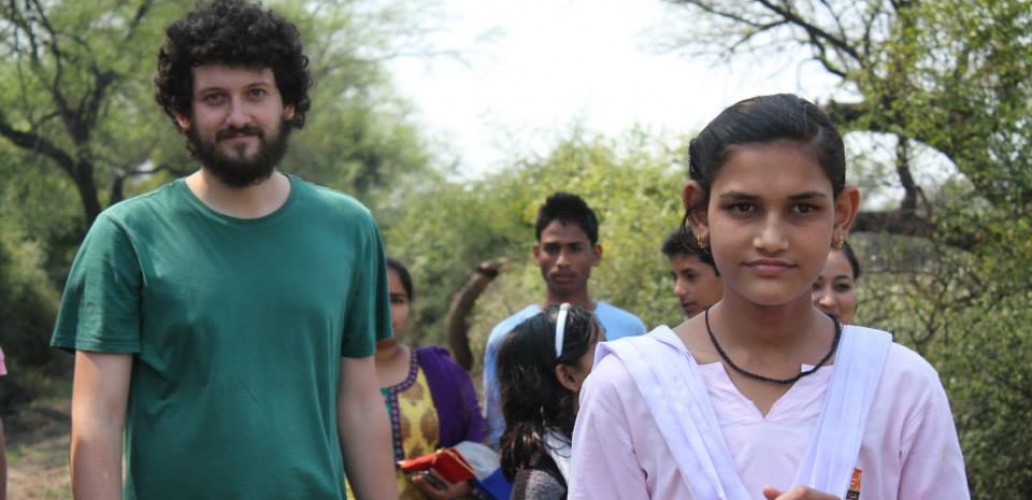
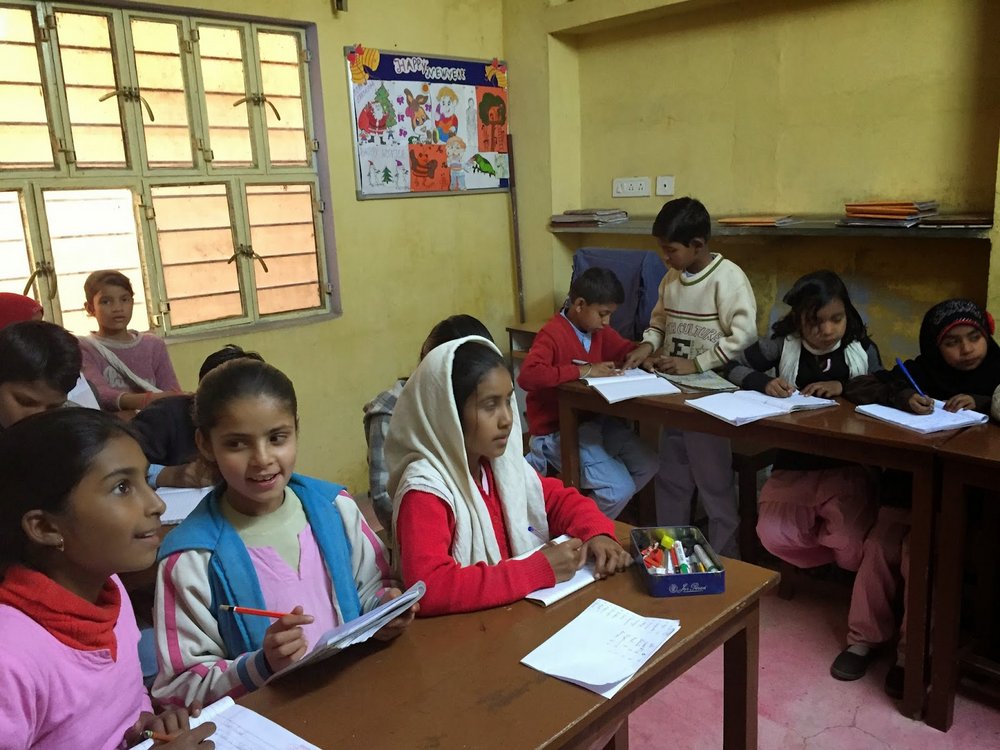
I received a warm welcome from Jan, Gajju Bana, Ankita and Rosenda; and there was a palpable excitement as soon as I entered the bus. This excursion was all the more special, because this was the first time when younger ones were being taken for a trip. When I entered the bus, I saw the most adorable and joyous looking faces I have ever seen. I thought for a while what I would have missed had I not met Veena Ji a few moments ago.

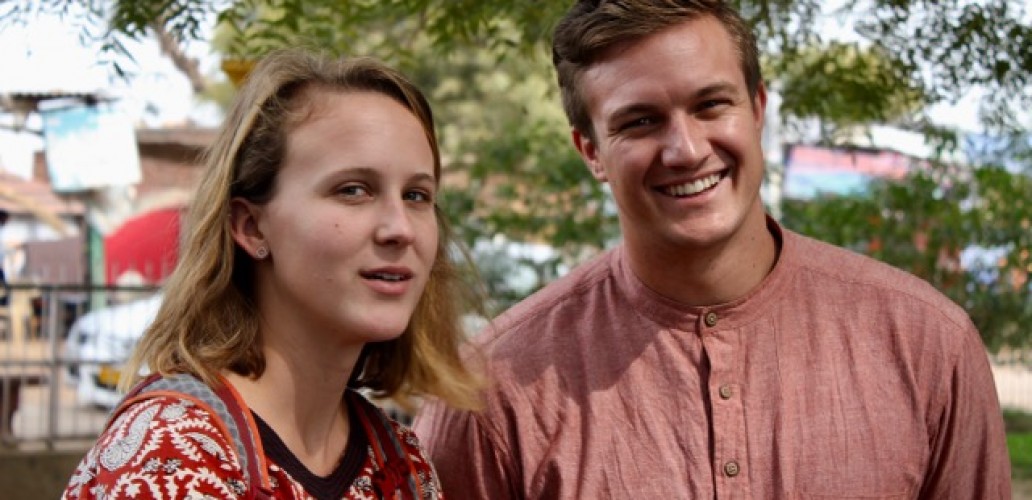
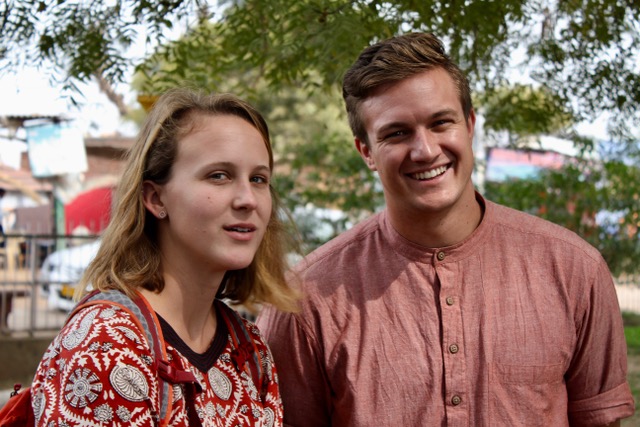
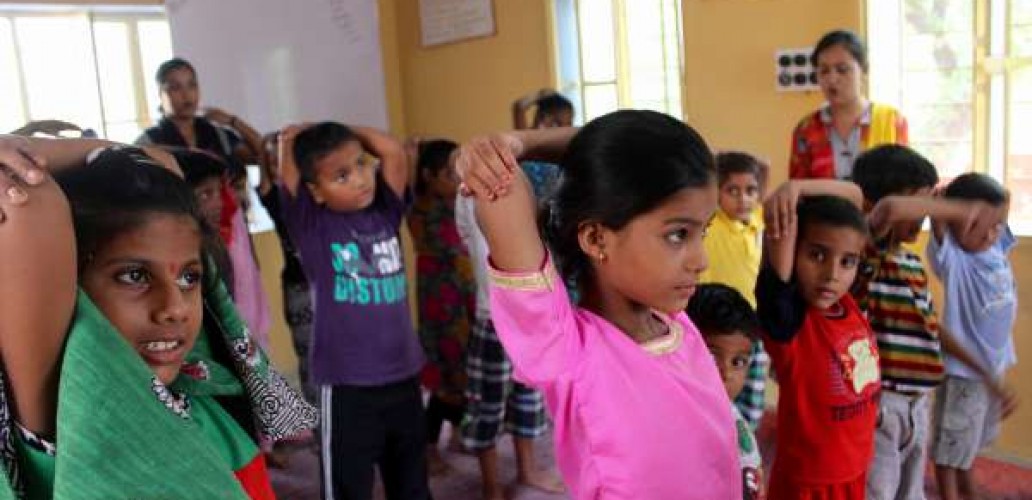
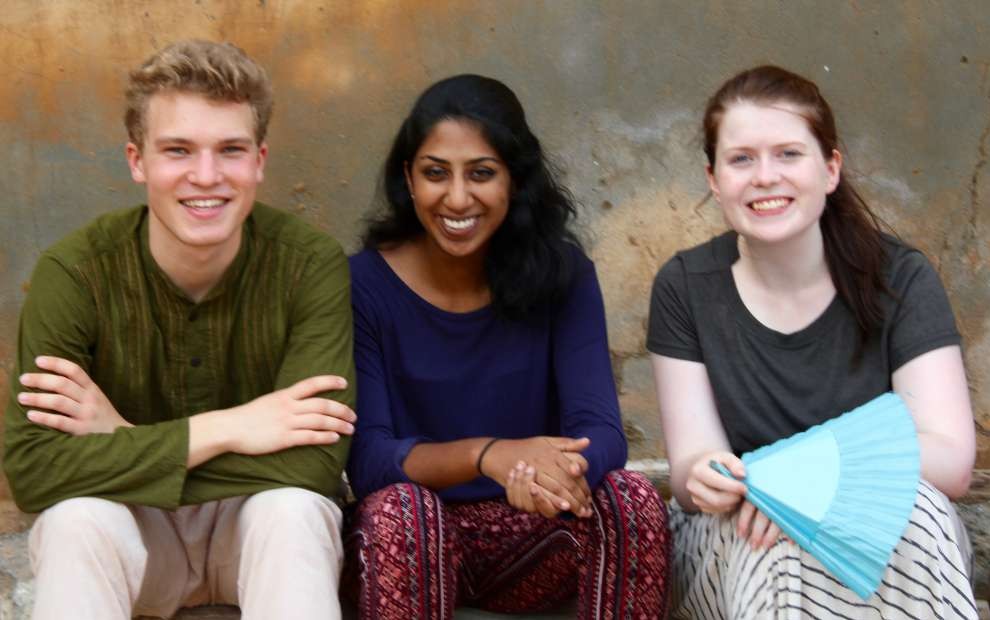
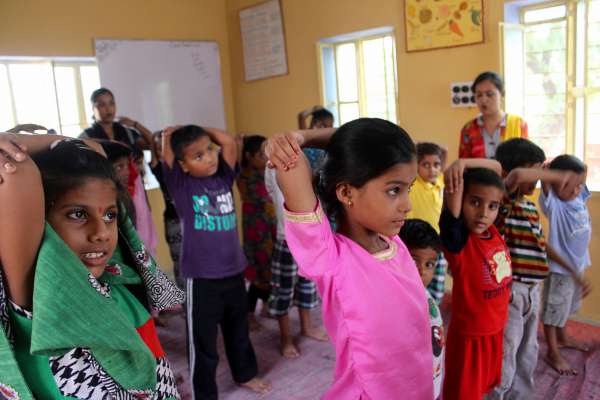
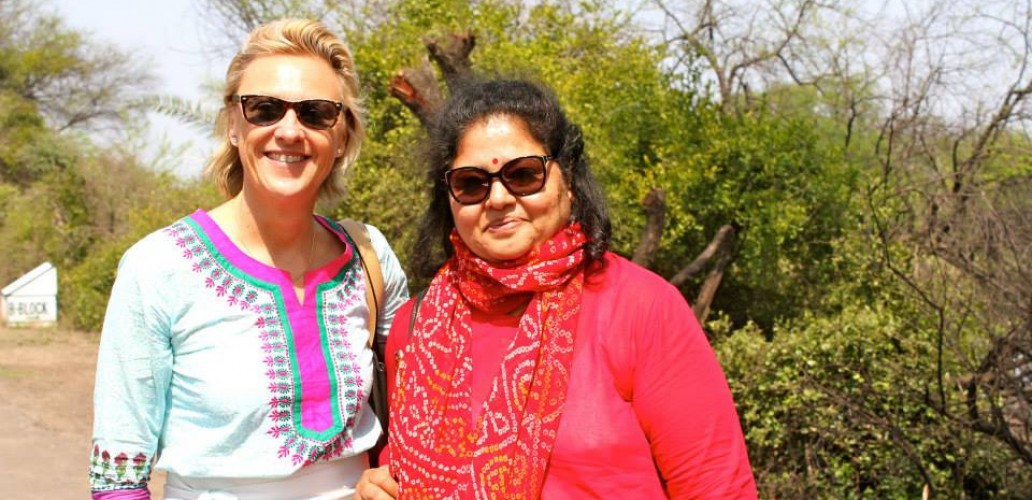
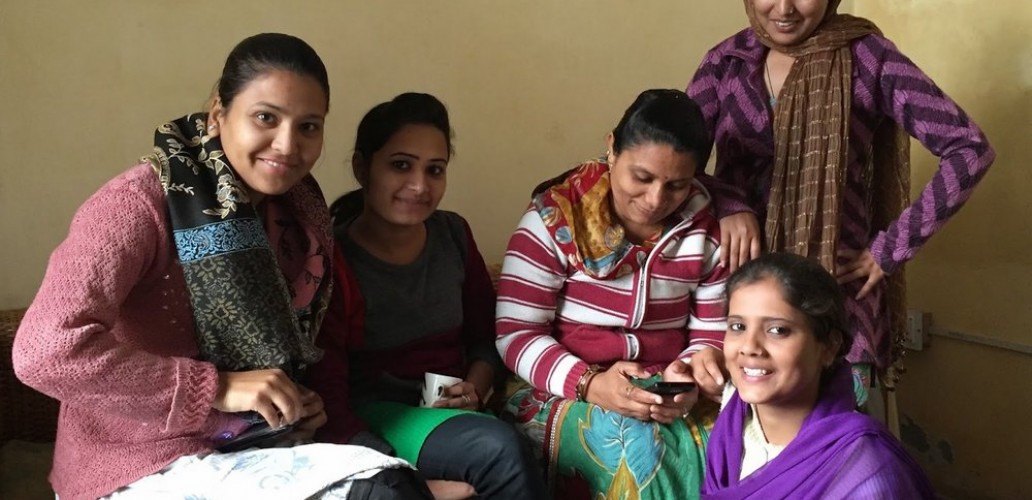
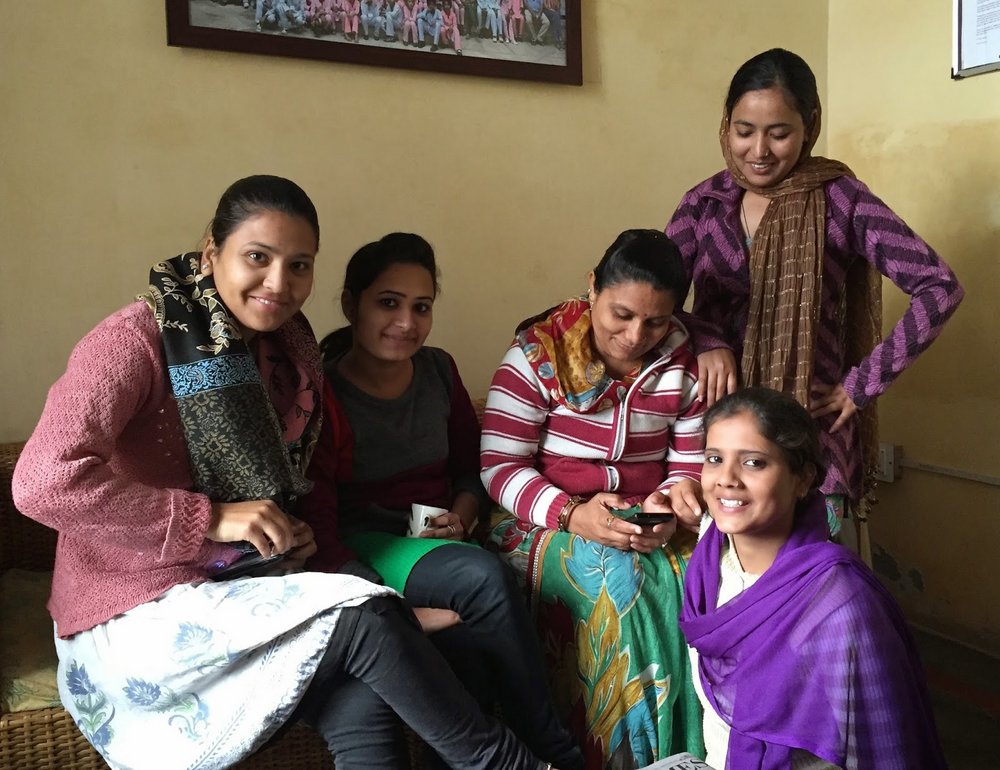
I sat with the grown-ups, looking back at the entourage of happy faces. Rosenda introduced me to Isabelle, an associate with the Foundation and Tristan, volunteer from the United States. Soon Foundation itself became the topic of the conversation. At the end of it I realized how foundation is a second home for all the children; and that the founders, teachers and volunteers are dedicated towards the cause of empowering children. The entire conversation left me wondering if there’s anything I can do to contribute to the foundation.


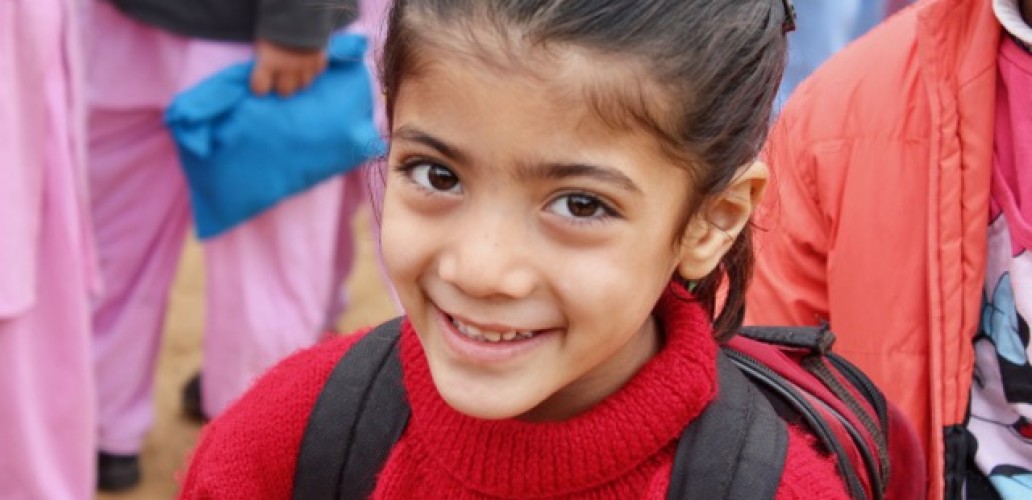
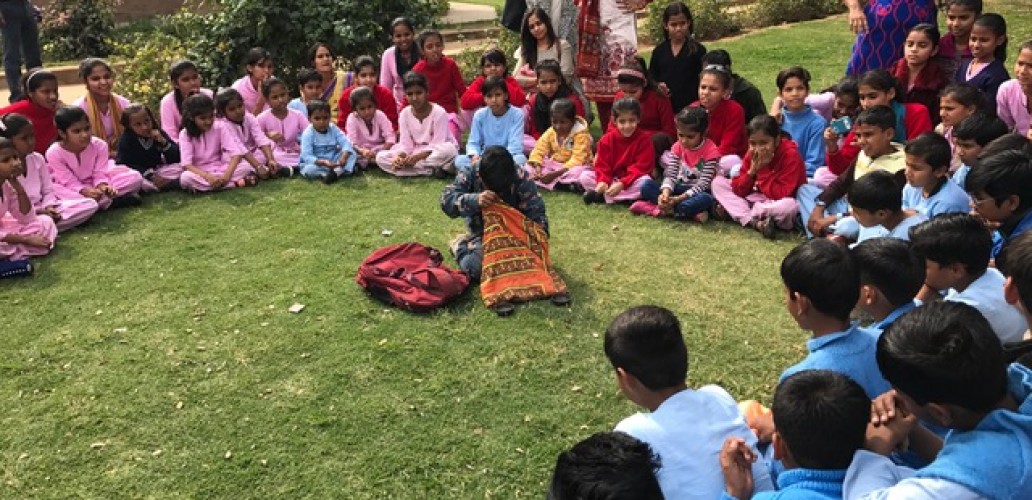
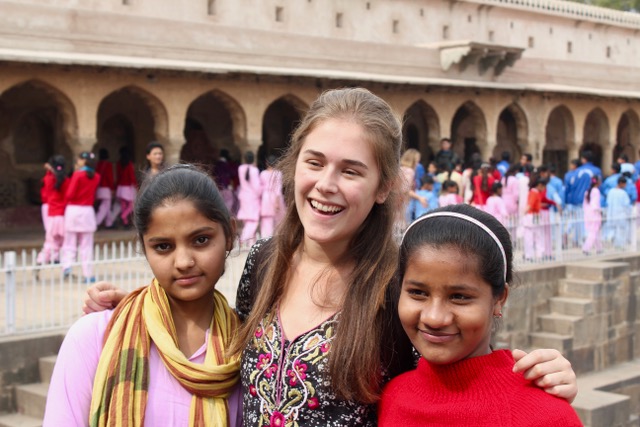
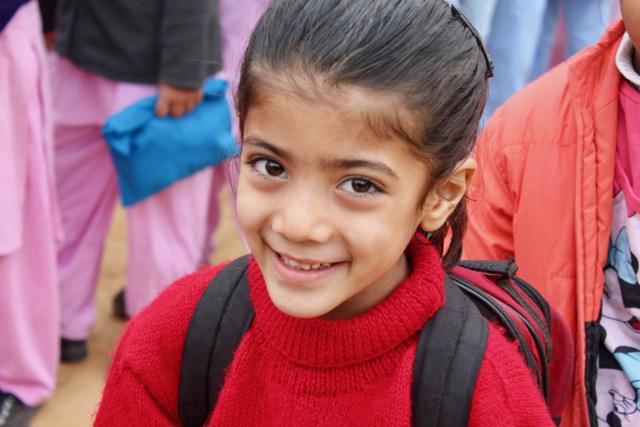
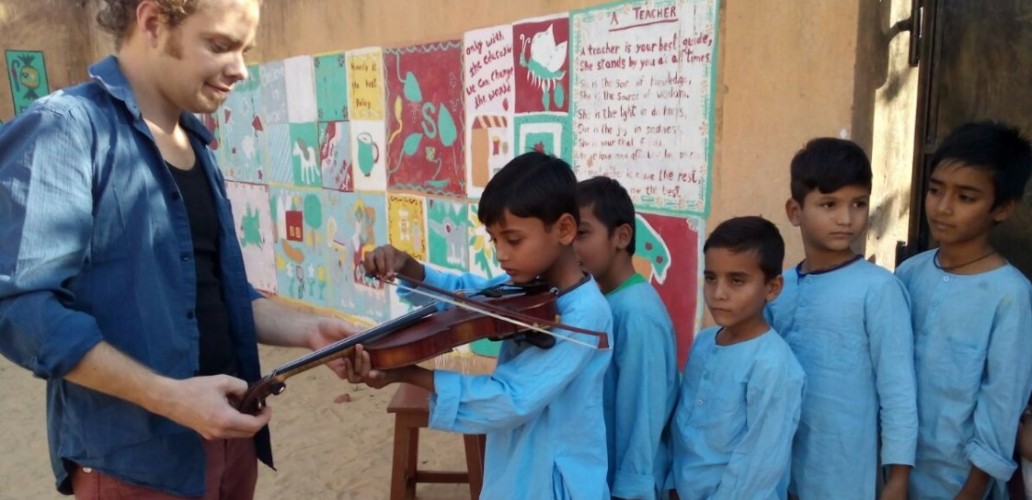
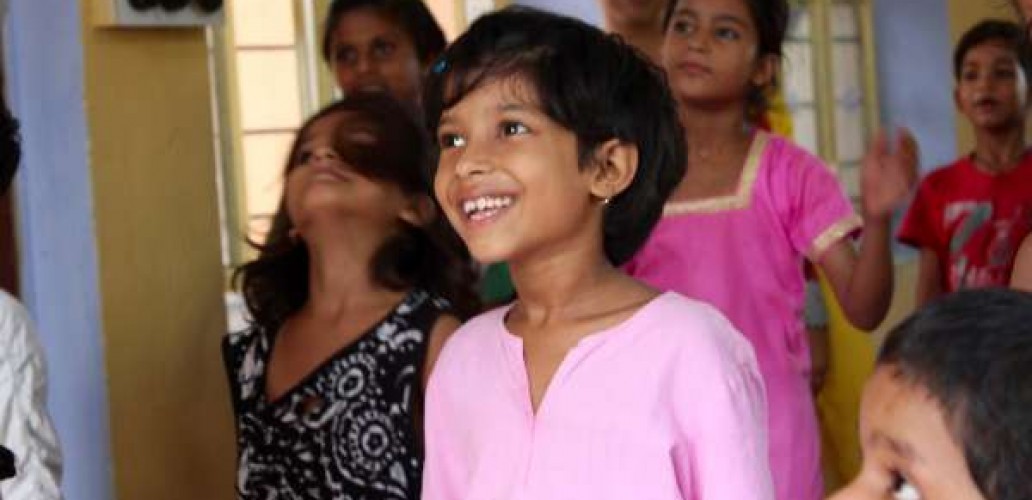
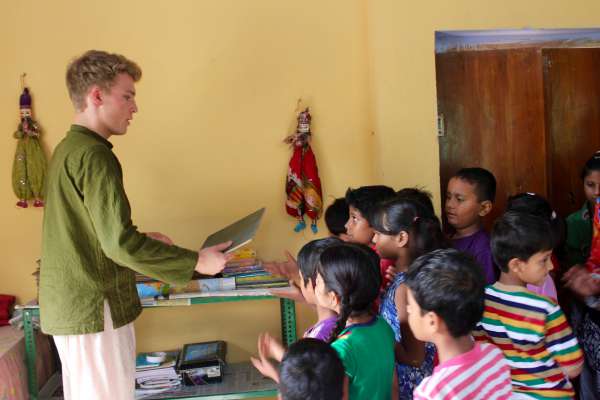
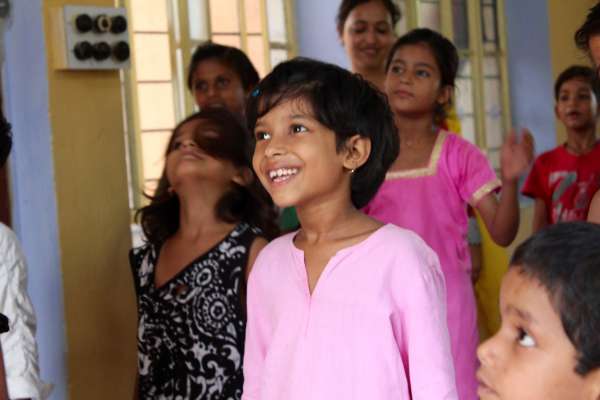
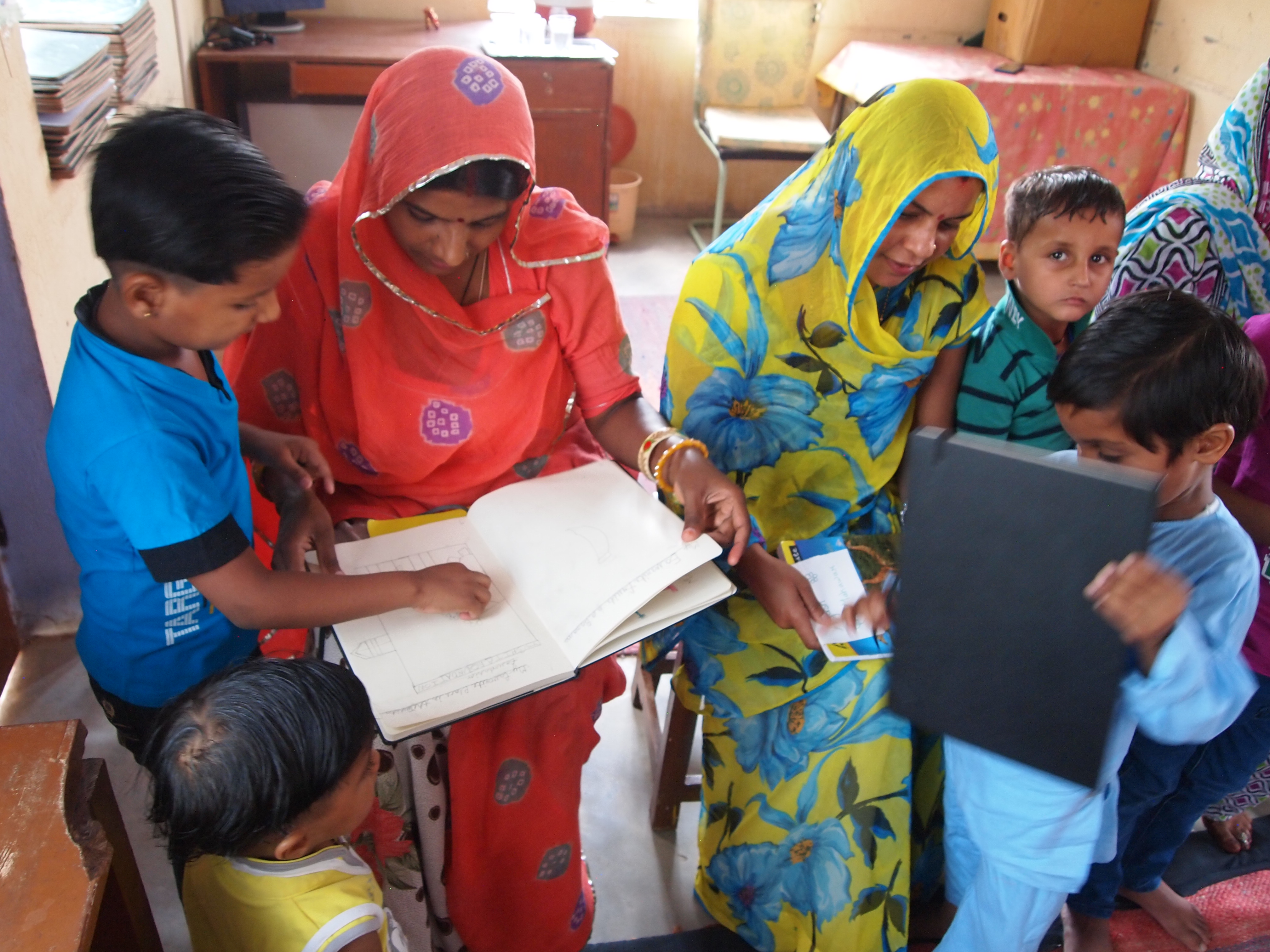
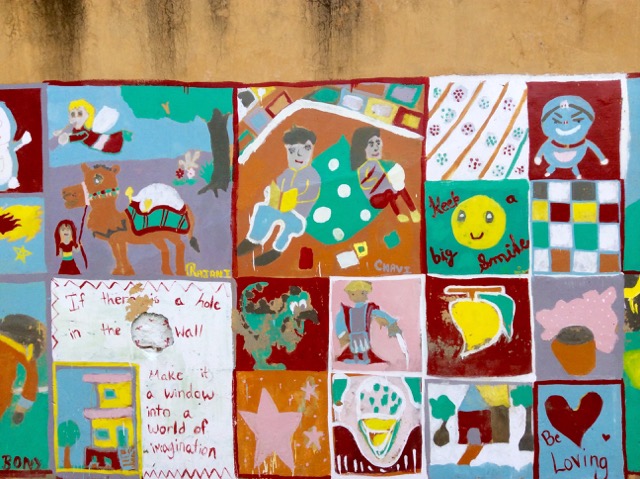
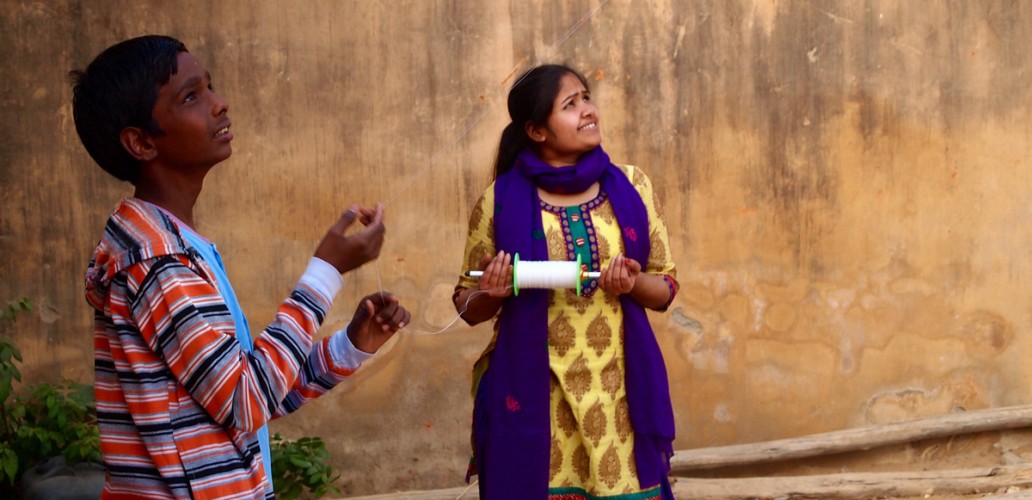
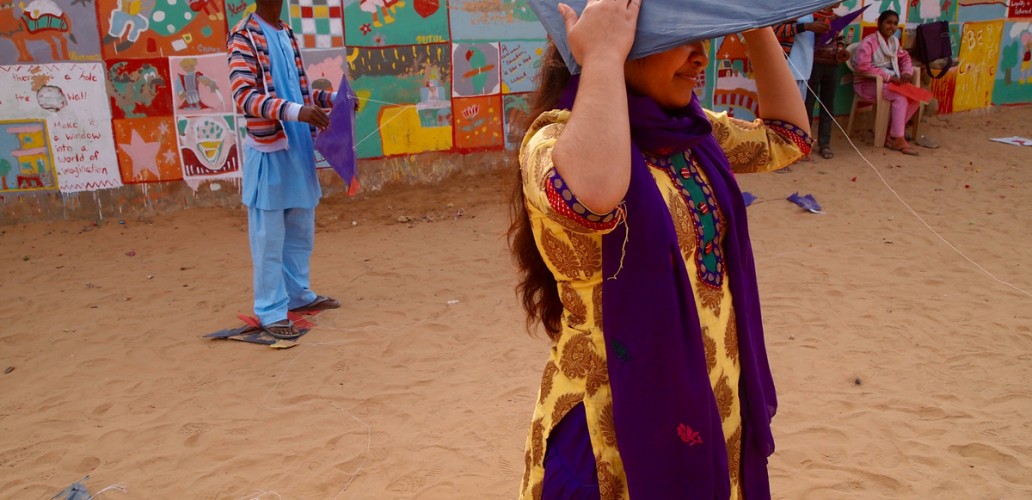
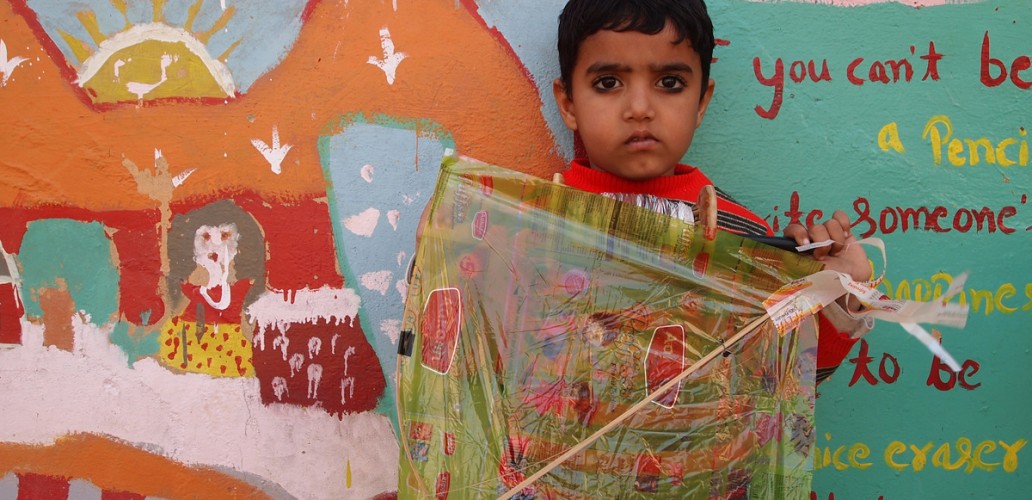
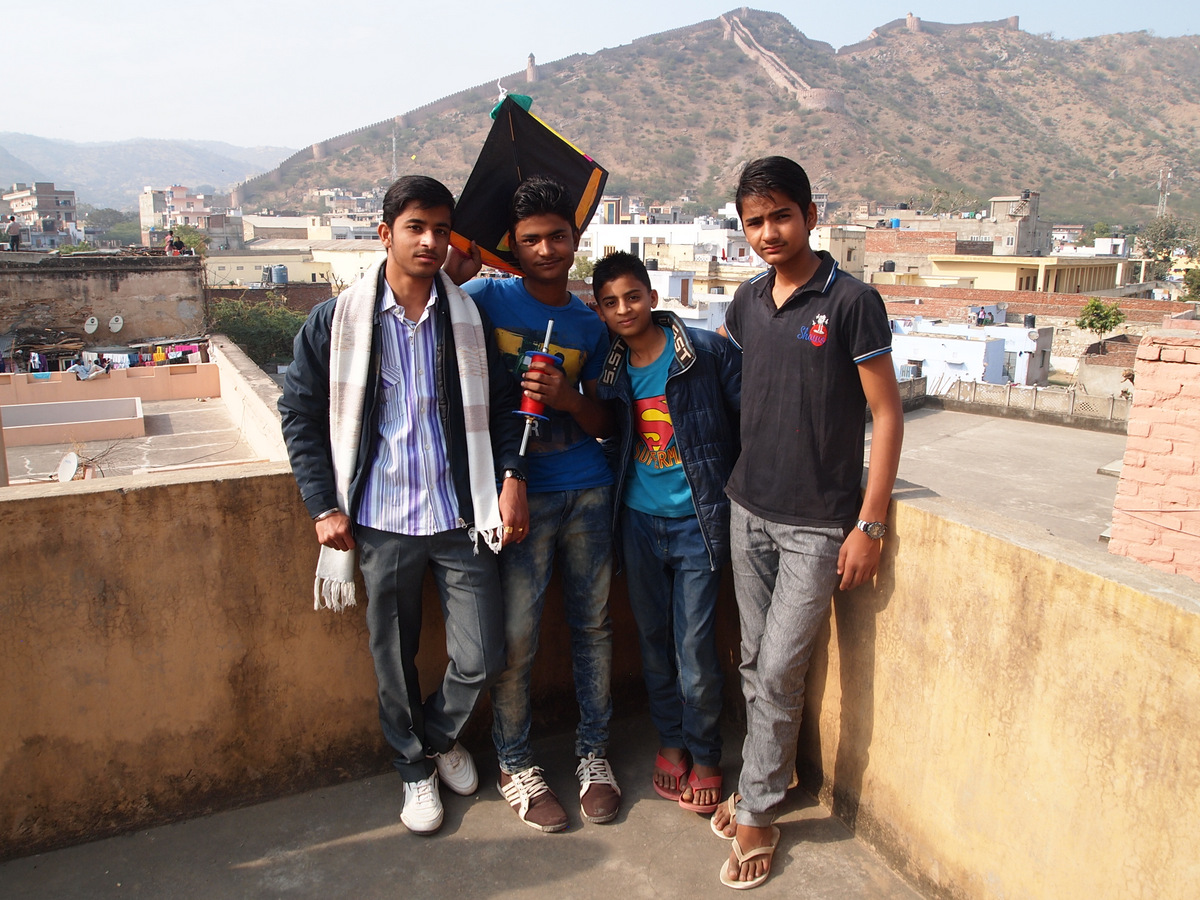
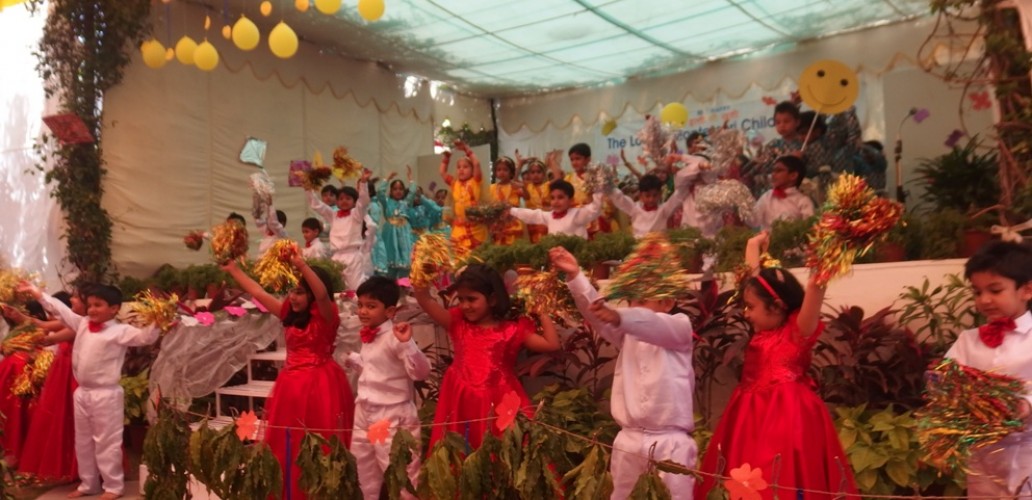
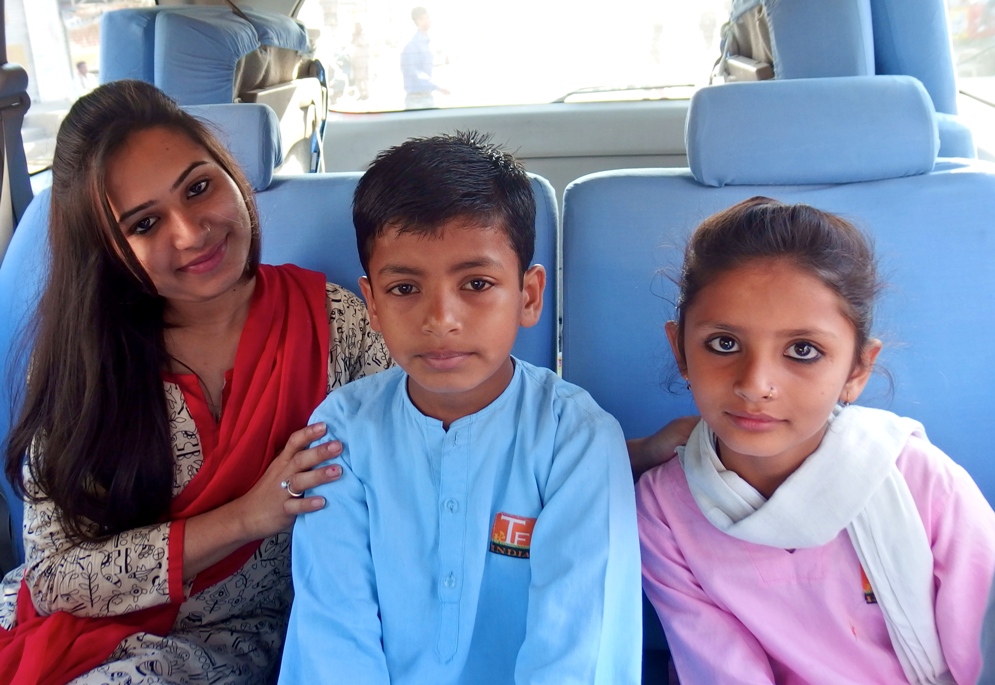
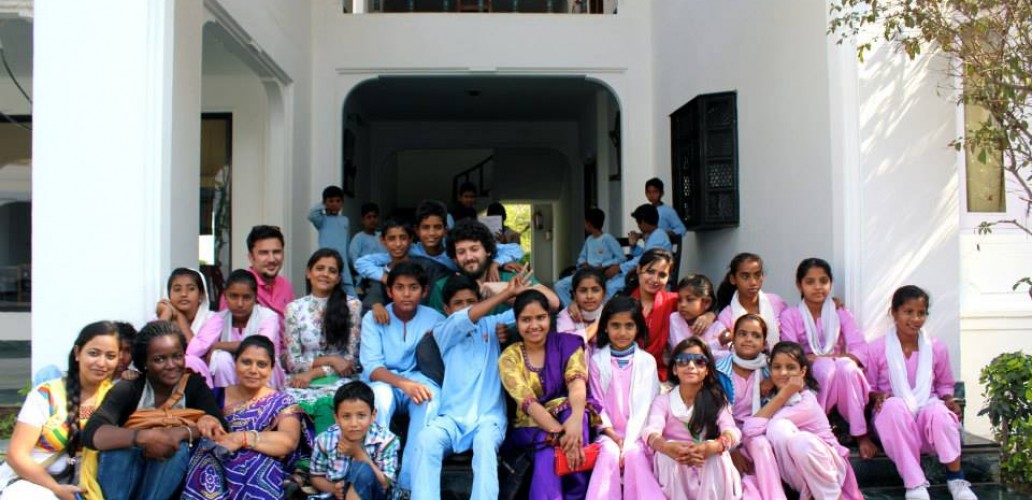
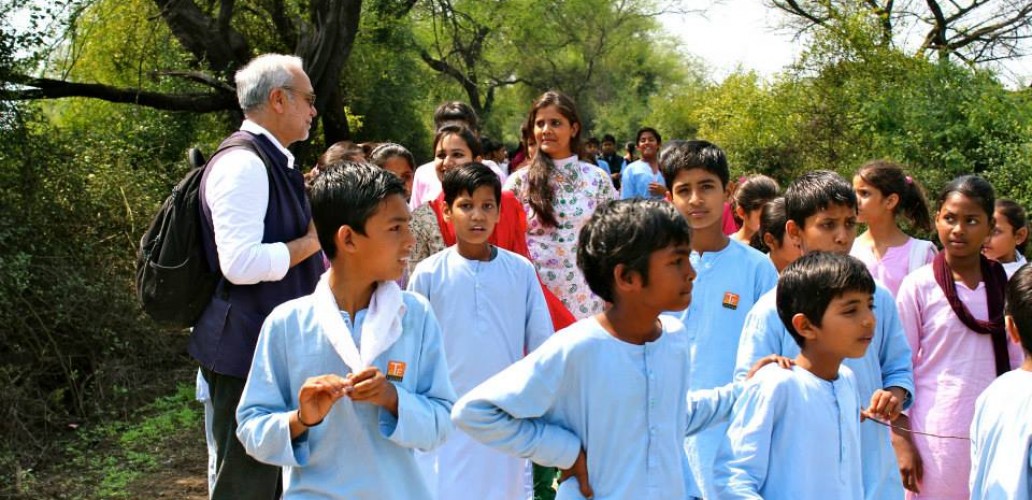
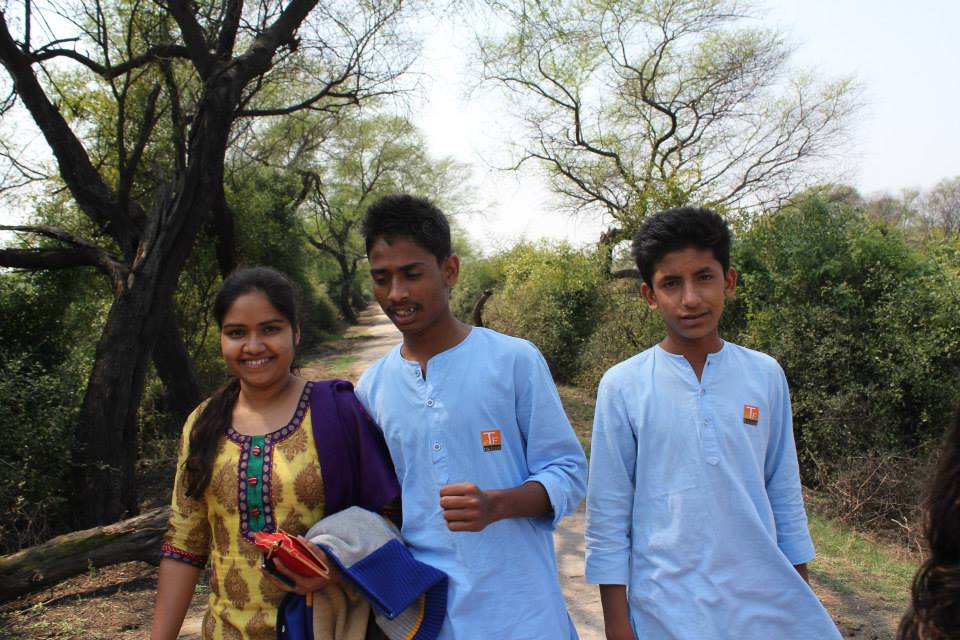
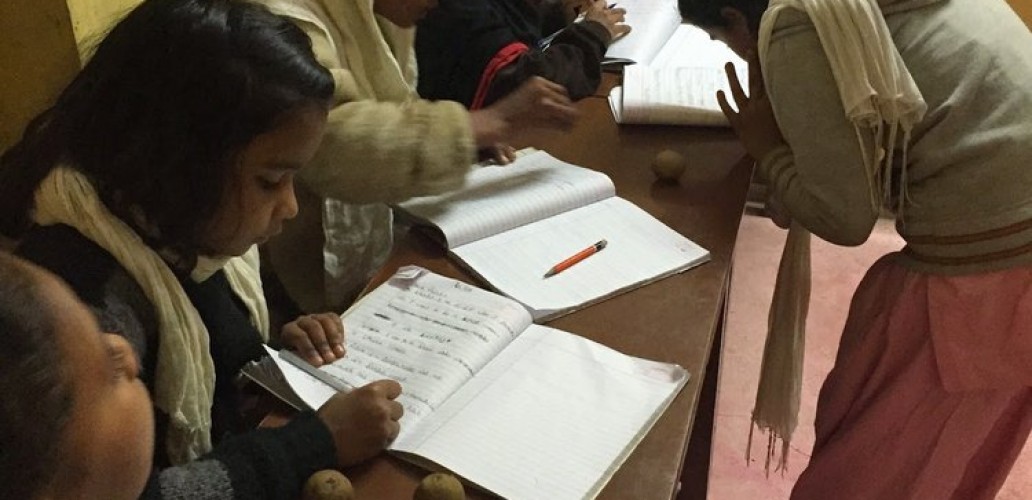
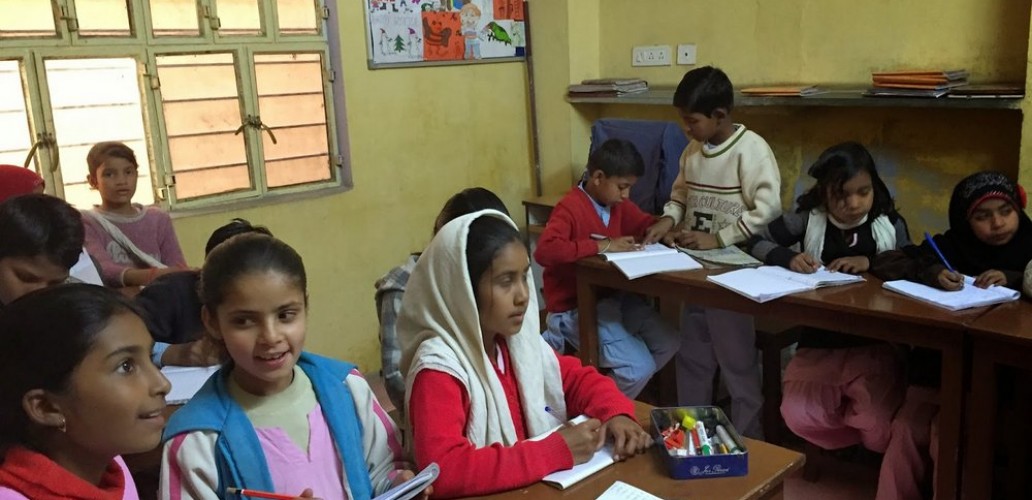
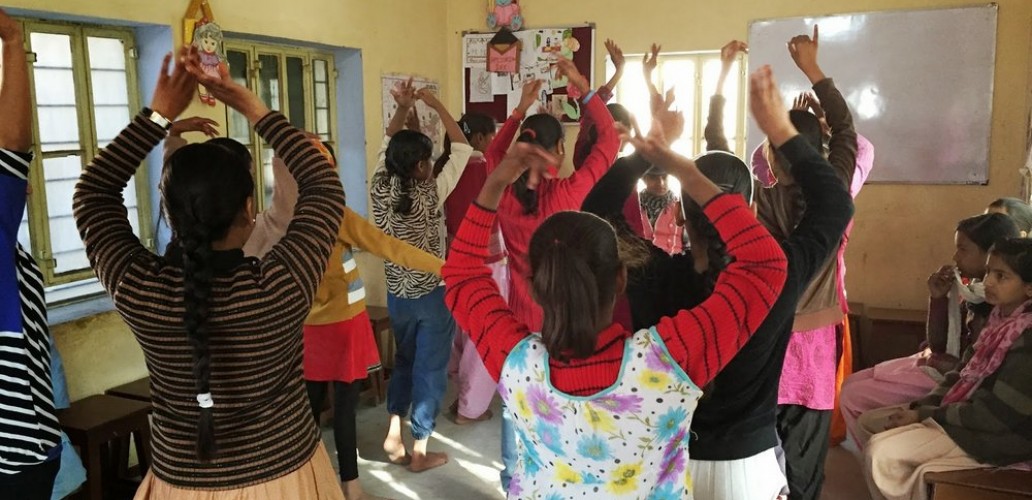
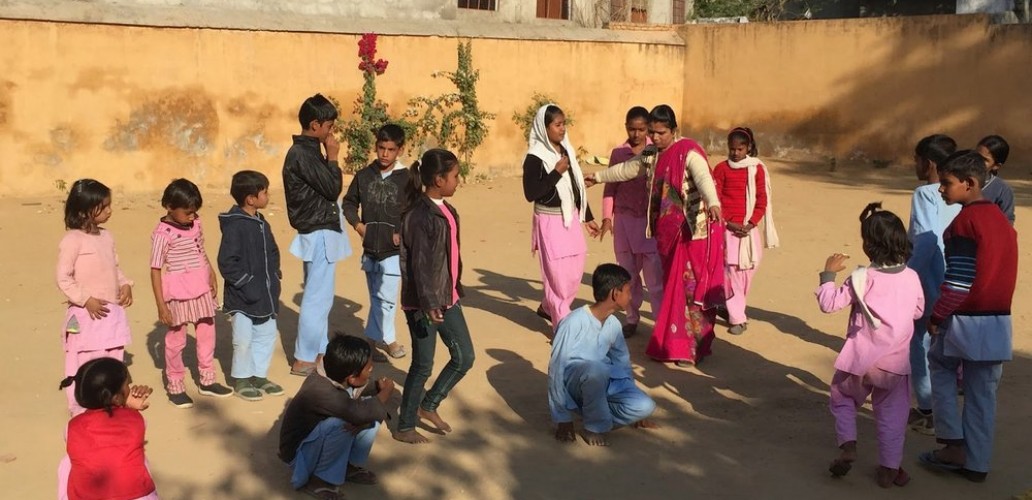
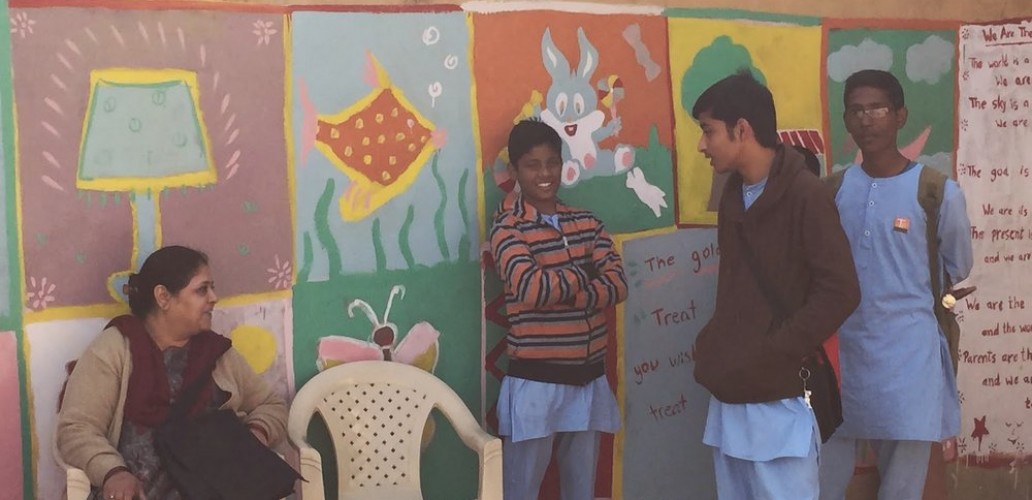
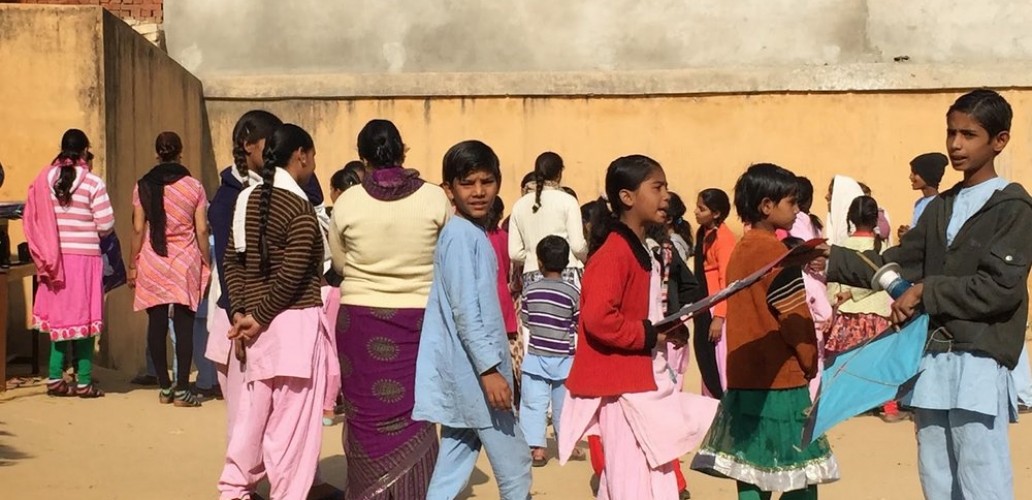
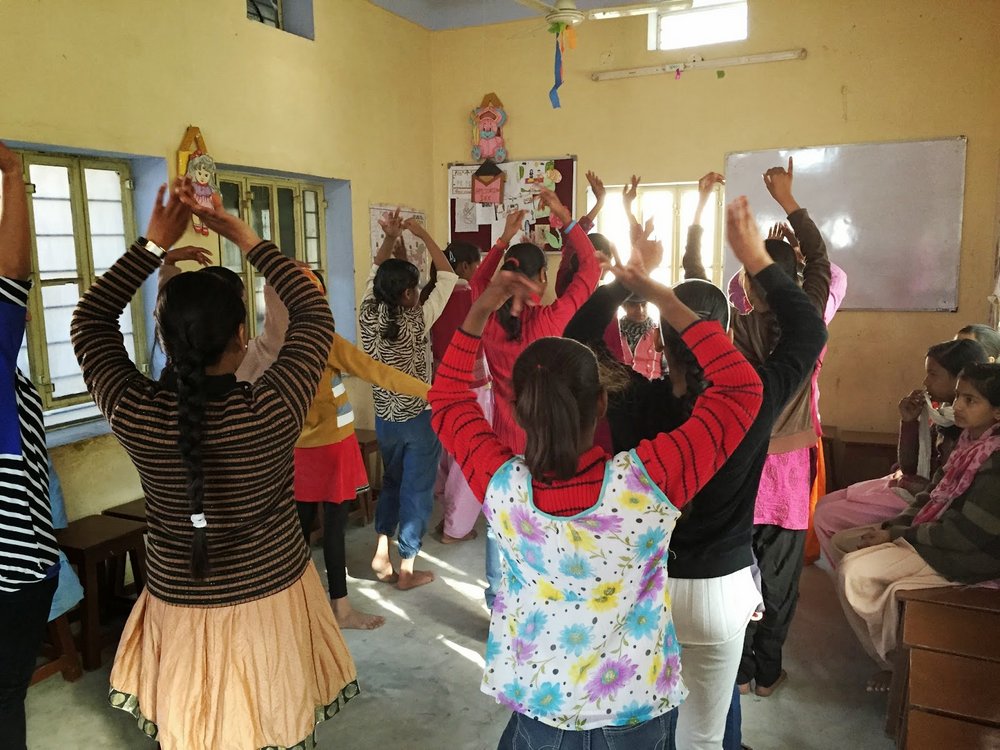
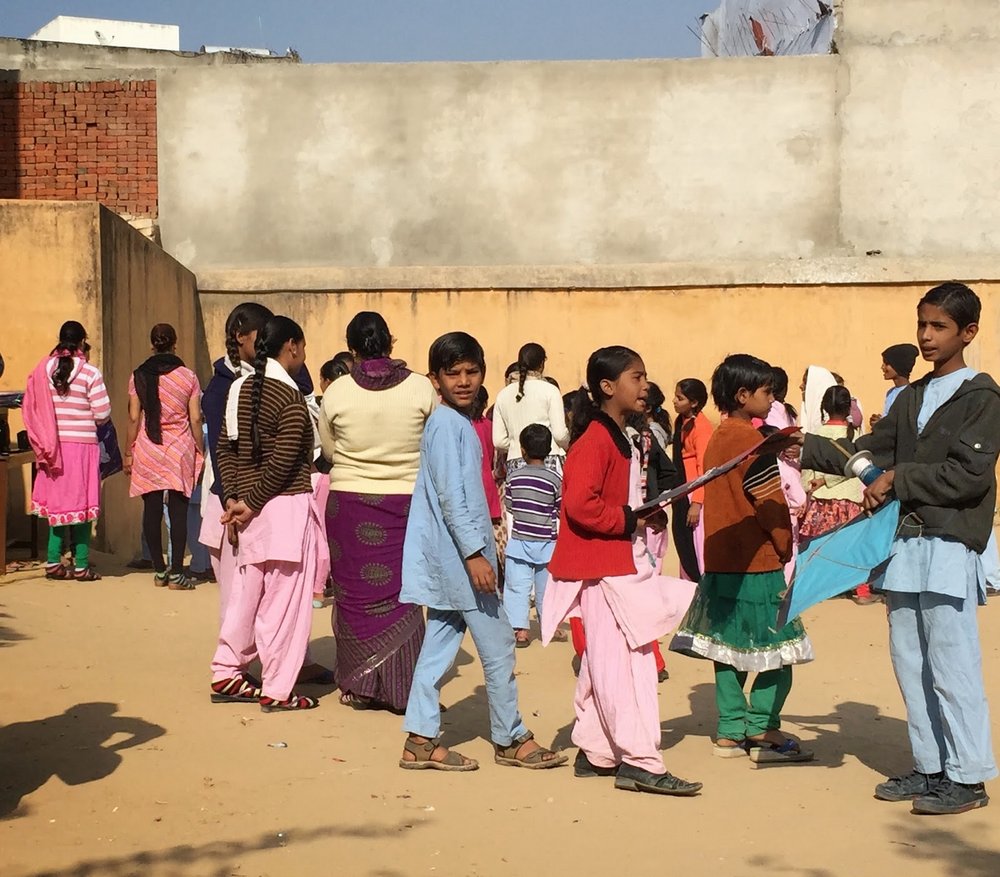
Image-2-Falak


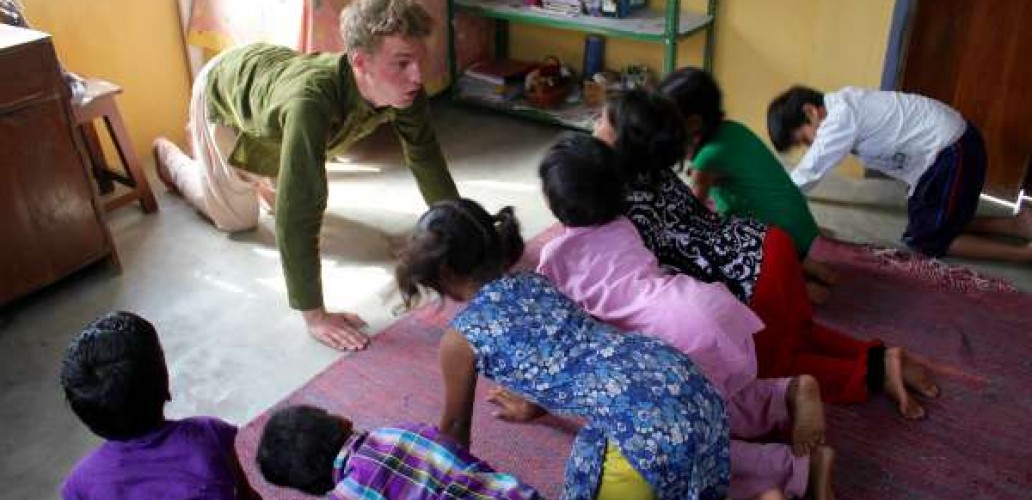
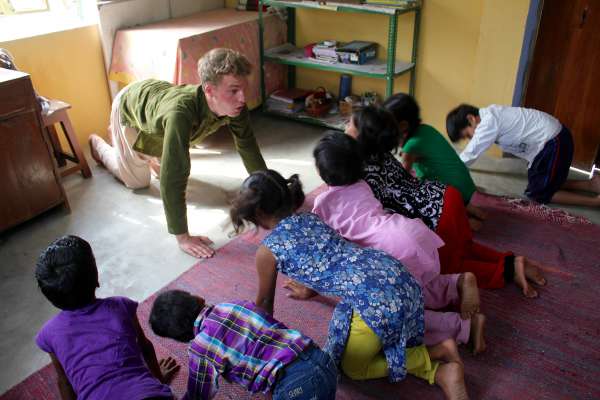
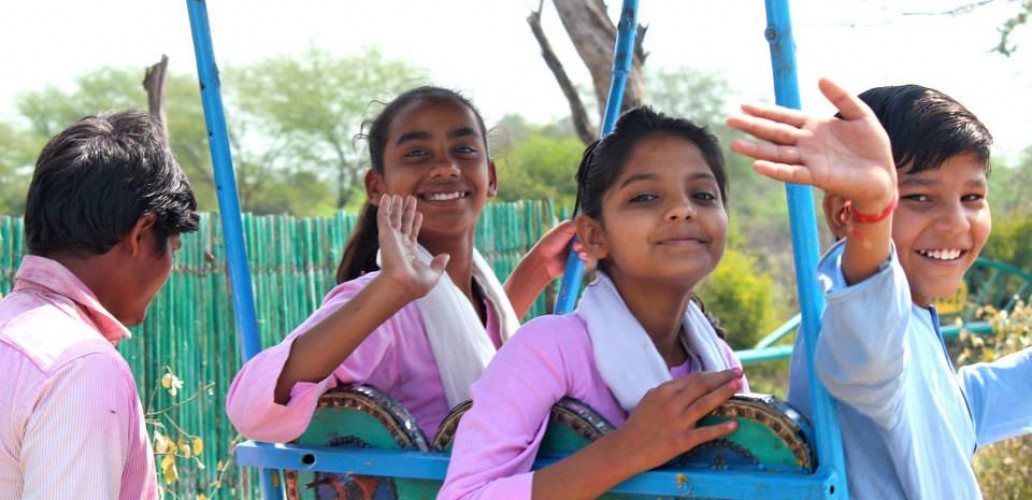
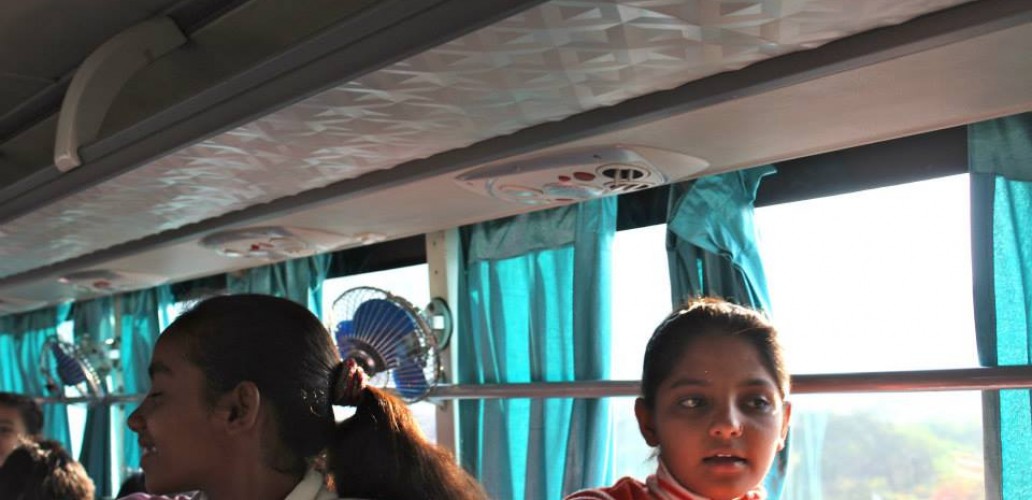
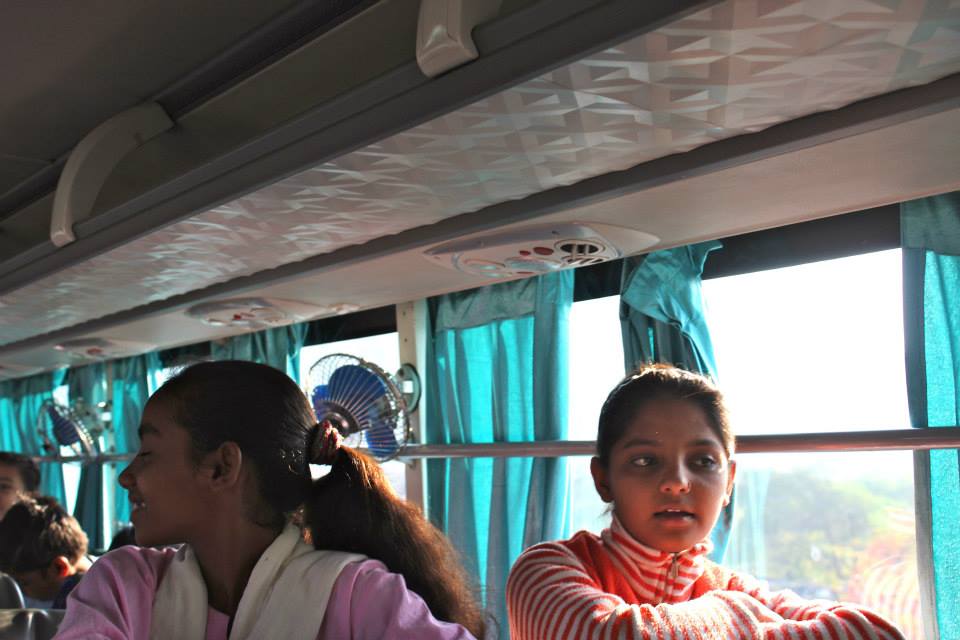
As we continued on our two hours road trip in Rajasthani countryside, the scenery inside the bus was nothing short of a festive celebrations. I could never figure out how all the little kids managed to perfectly dance inside a moving bus. The performances were stunning, with gestures and expressions that you could not take your eyes off. I distinctly remember an adorable little girl, named Falak. The way she played, danced and carried herself made me realize that kids know how to rejoice at every opportunity and their company is certainly delightful. Even though this was the first time we were bringing the youngest ones from the foundation on a trip, they were all well mannered and there was never any ruckus.

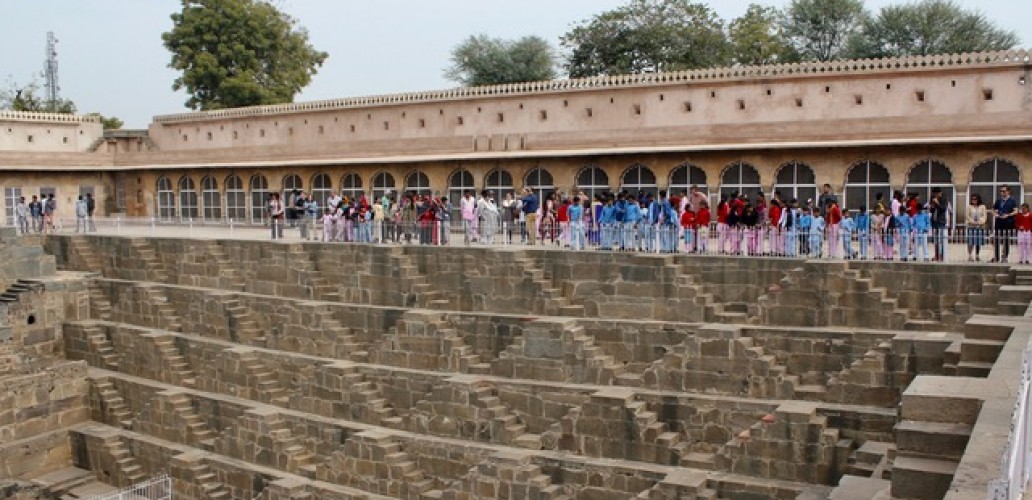
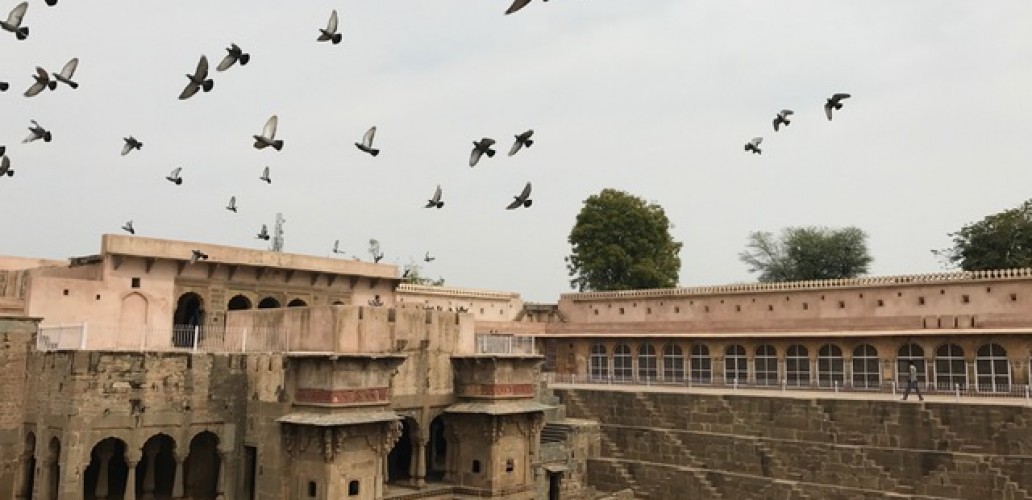
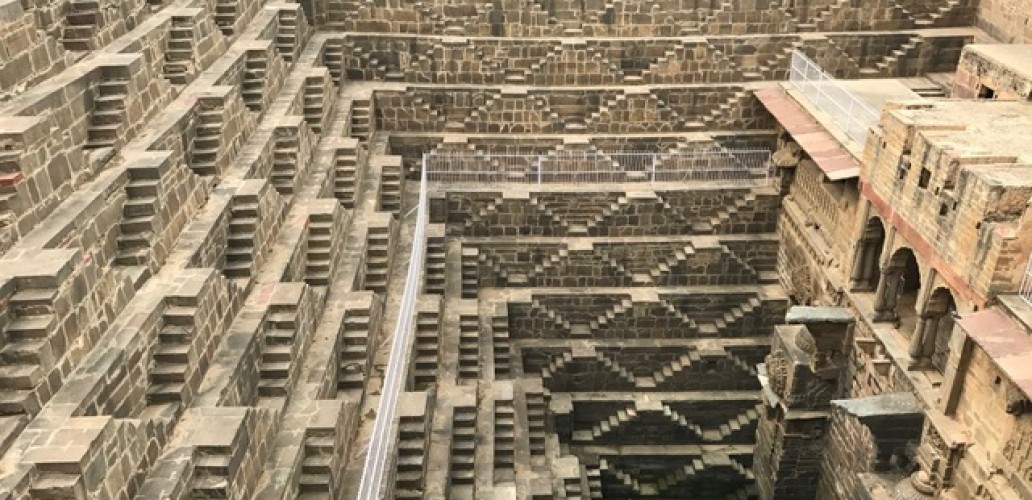
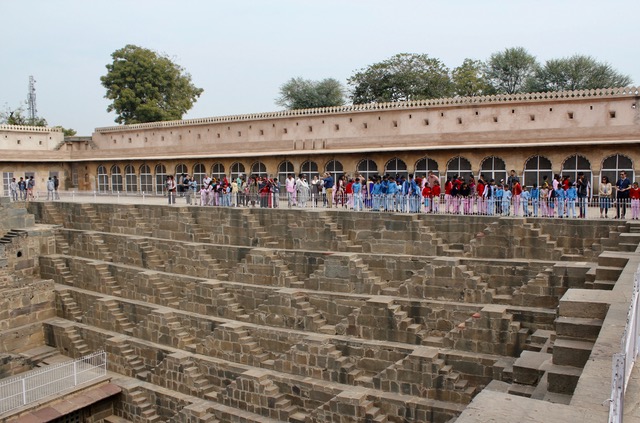
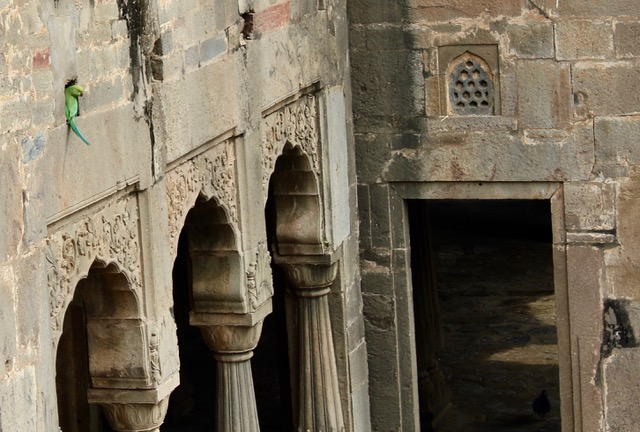
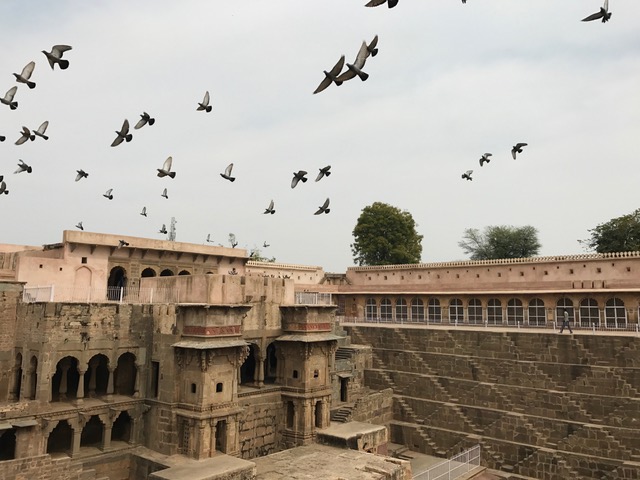
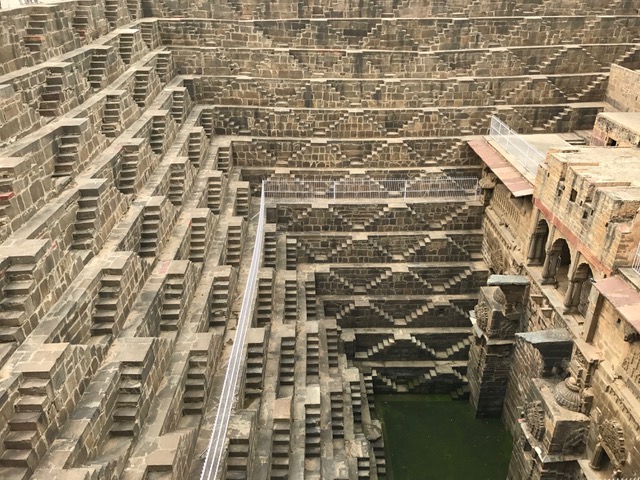
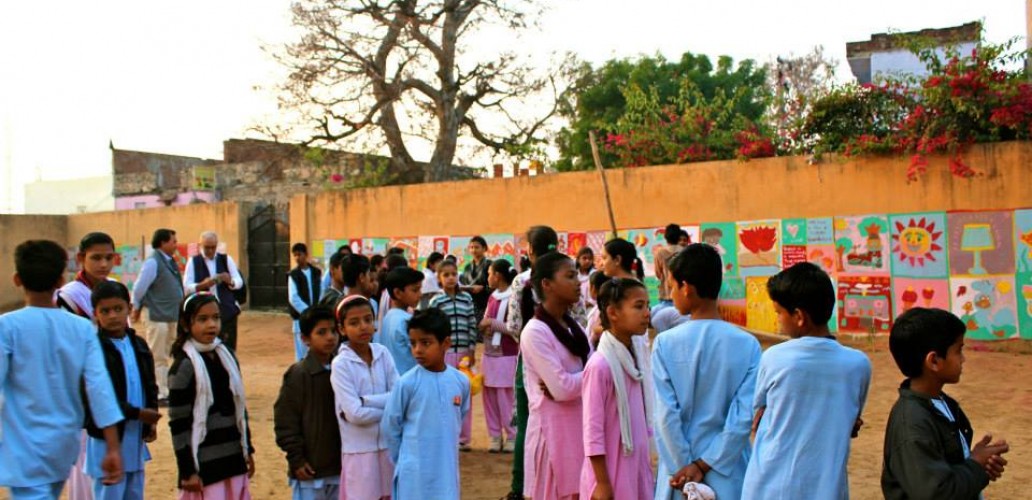
Upon reaching the destination, we did a head count and then entered into the 1100 years old architectural landmark. Gajju Bana was kind enough to tell us about this step-well, famously known as Chand Baori. The step-well is located opposite to Harshat Mata Temple and is part of an ancient city called Abhaneri, which translates to “City of Brightness”. Chand Baori consists of 3,500 narrow steps over 13 stories. It extends approximately 30 meters into the ground, making it one of the deepest and largest step-wells in India. Most fascinating was the legend that Chand Baori is a vertical maze of sorts, implying that one can never come up tracing the same set of steps that were used while going down.


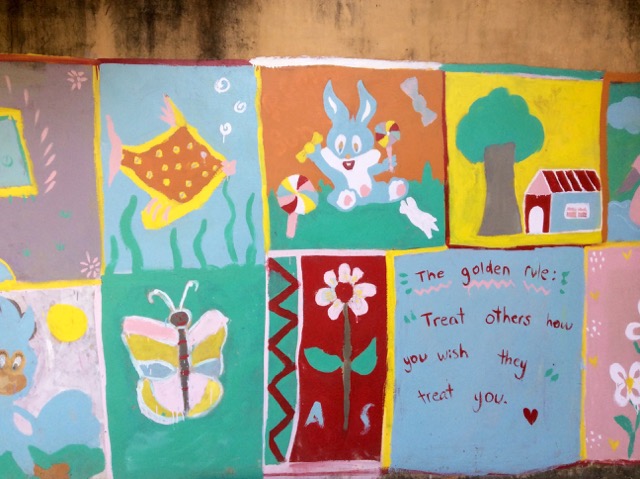
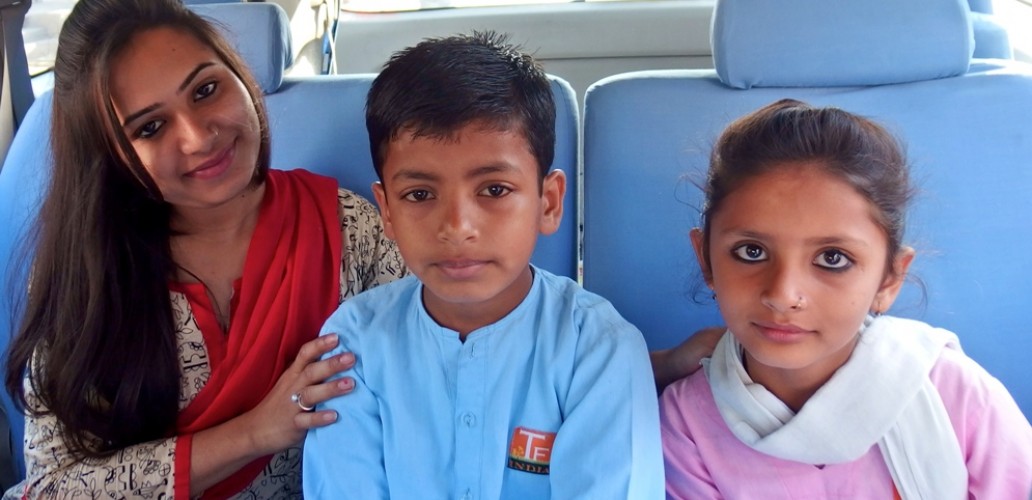
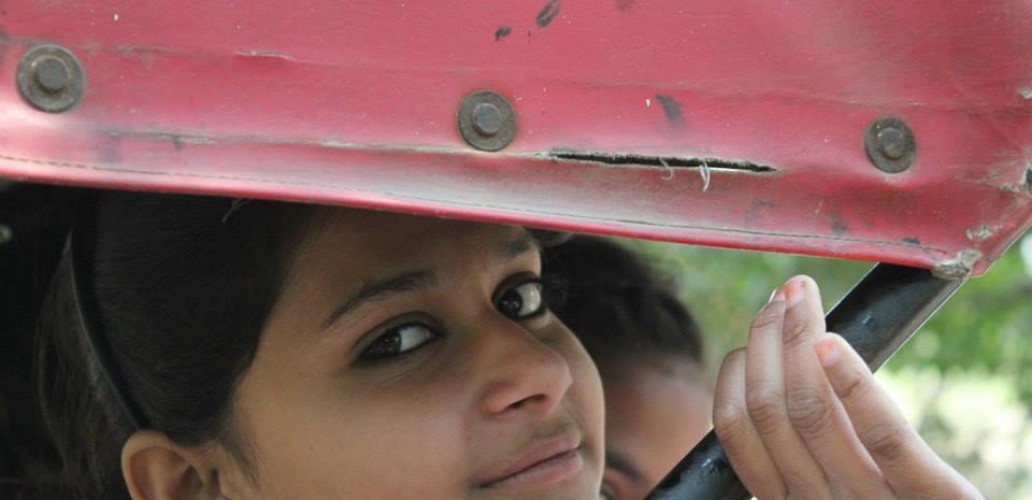
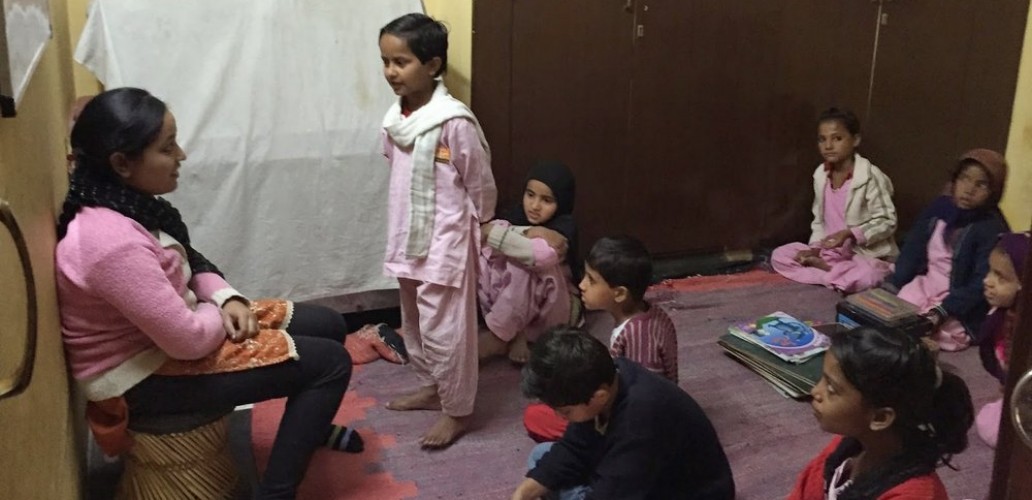
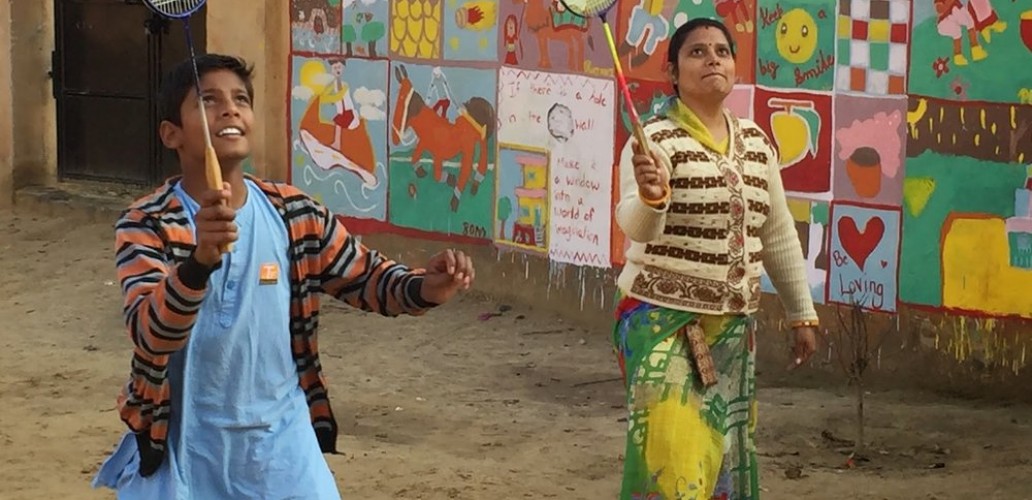
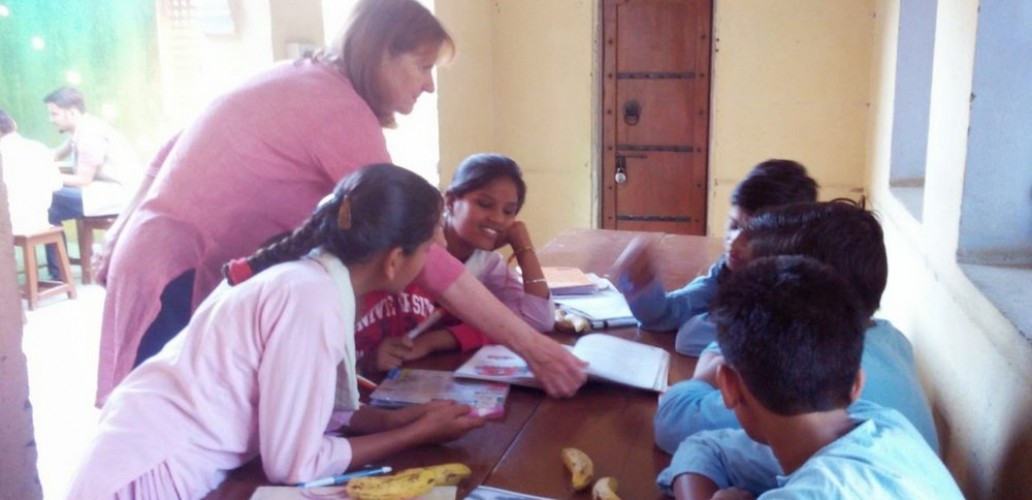
Image-3-Chand Baori


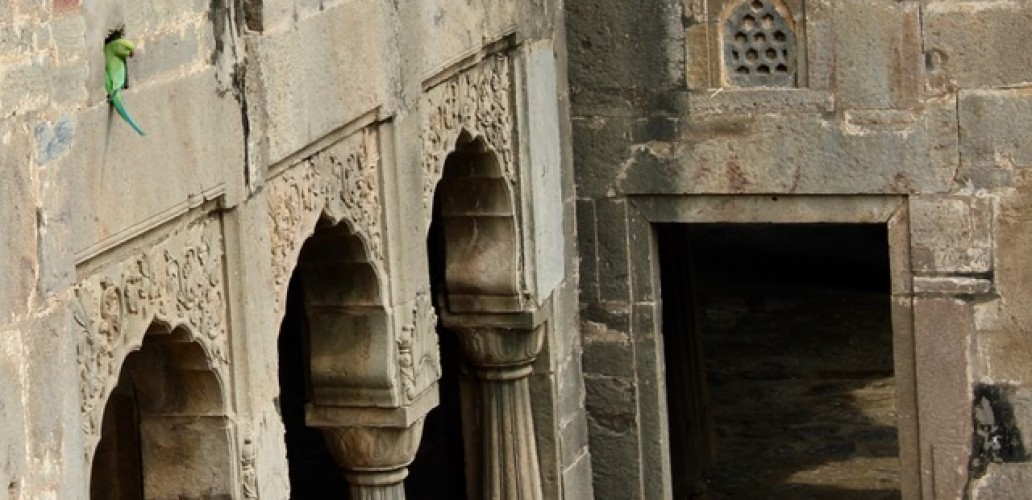
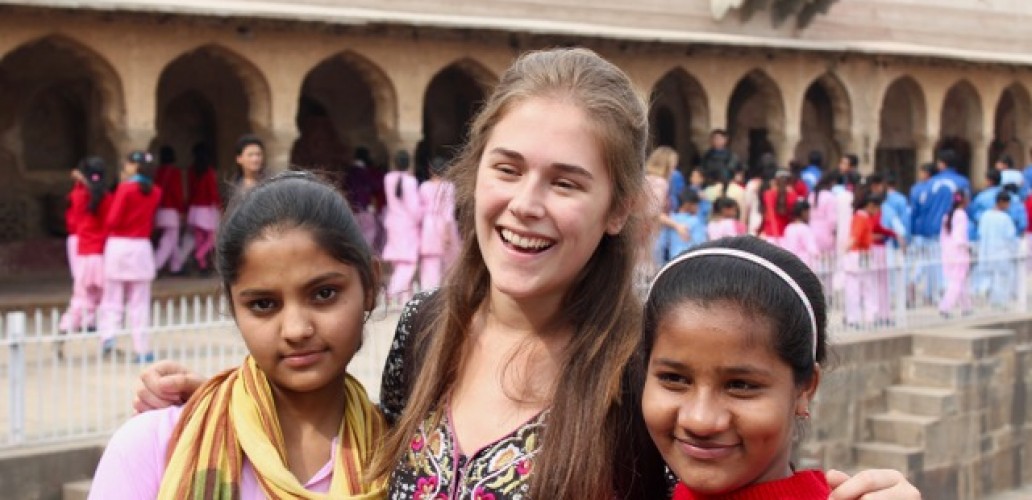
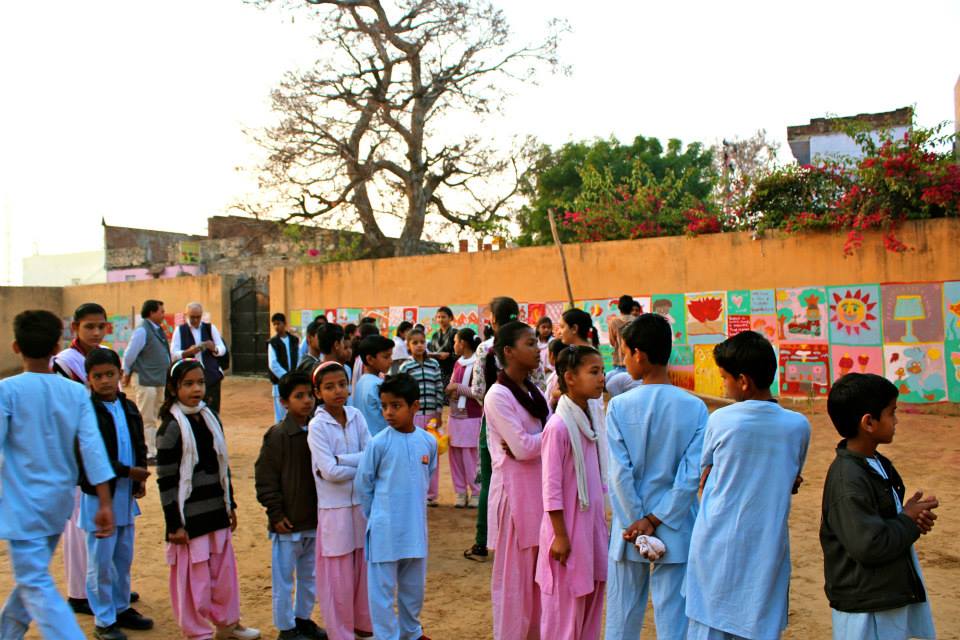
All the legends and stories fail to do justice to the beauty of this architectural setup and the age old sculptures placed there. One really has to be there to understand the degree of engineering and elegance of architecture that is embodied in this piece of history. Obviously there were about thousands of pictures taken by all of us (I may have exaggerated to make a point).


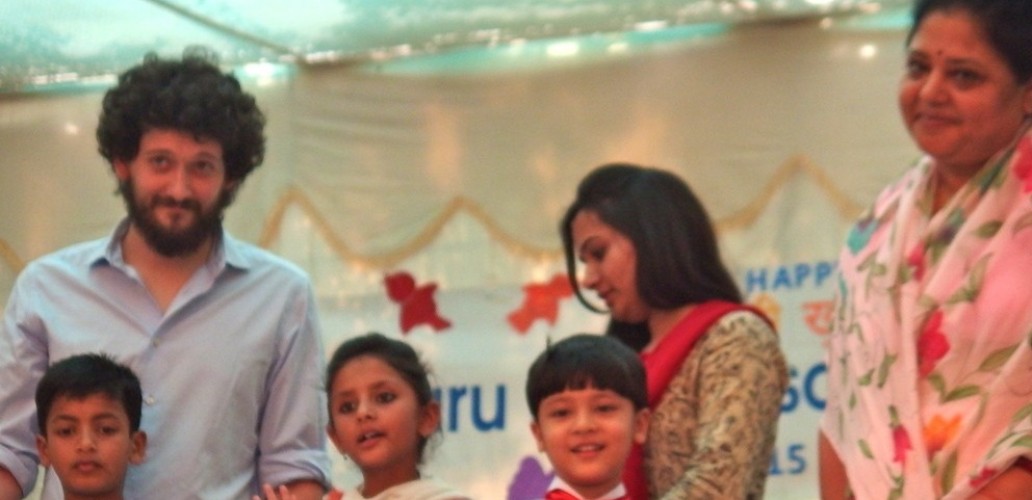
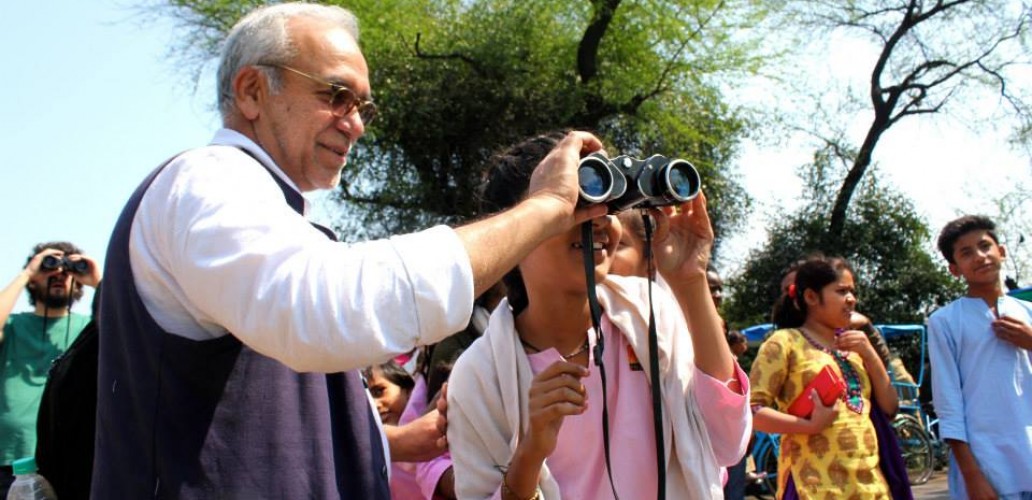
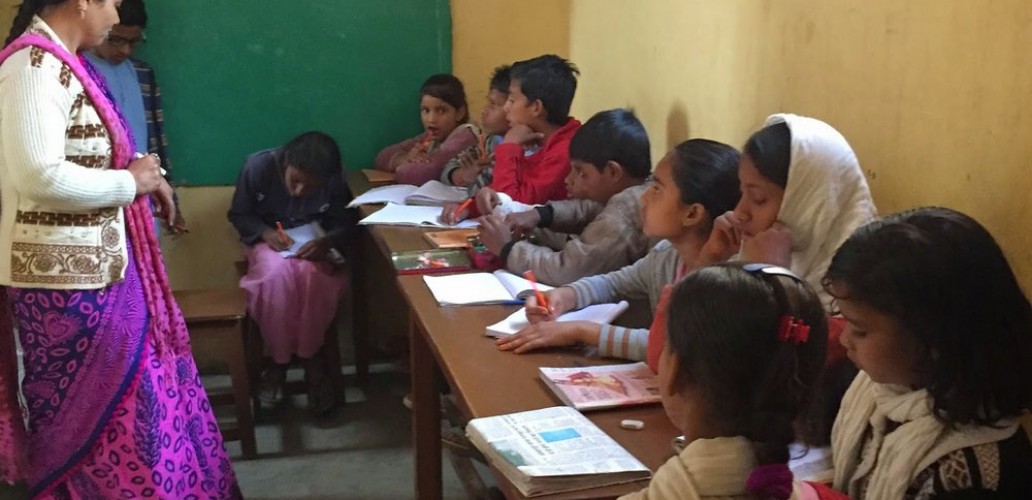
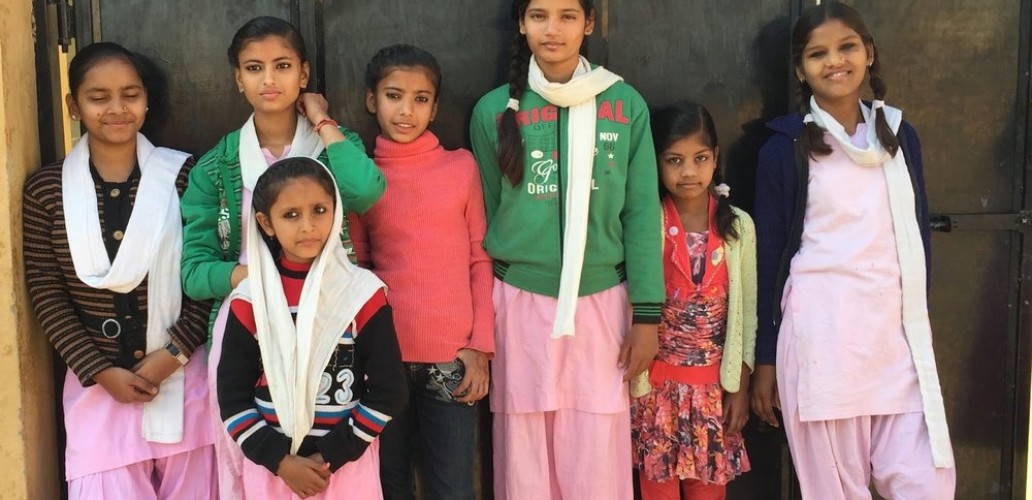
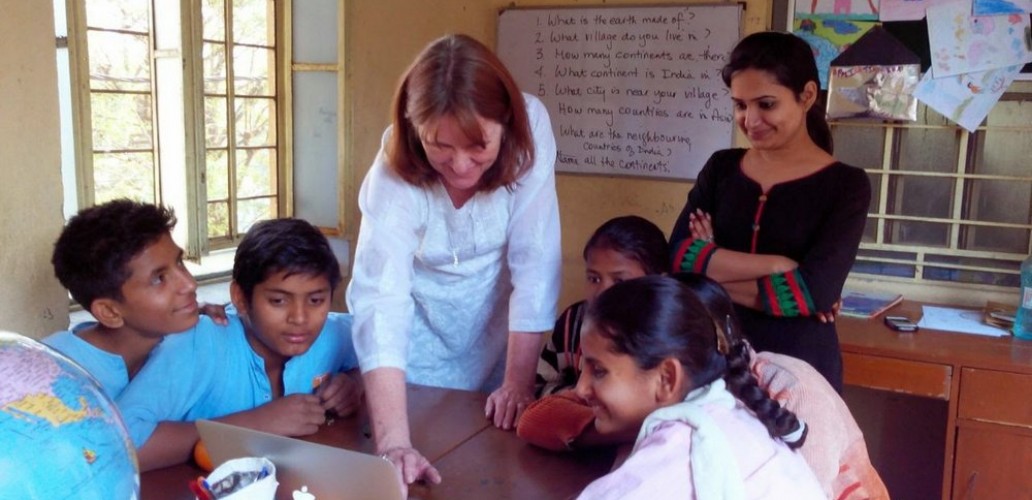
Image-4-Chand-Baori


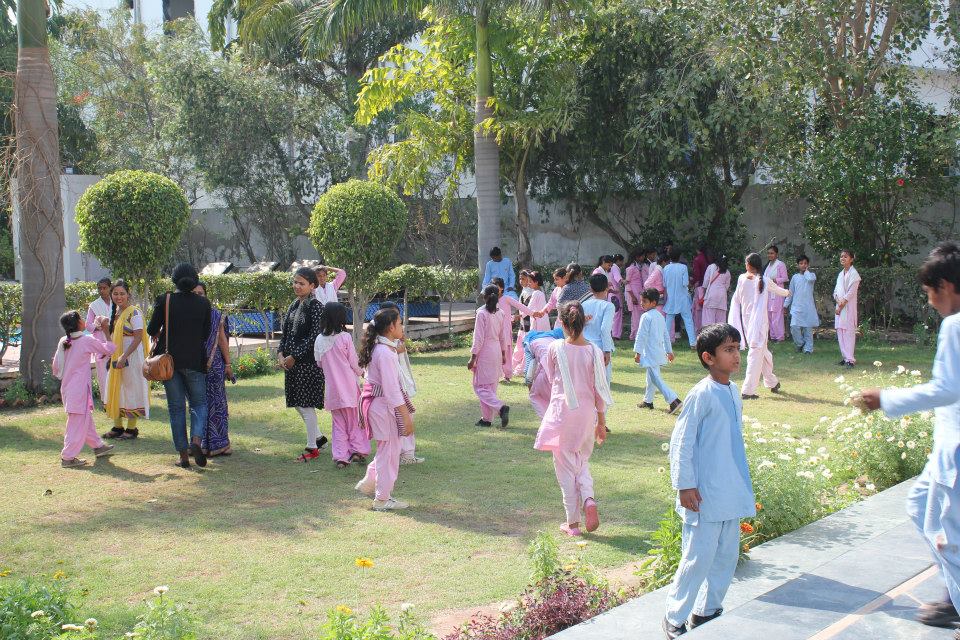
When we finally moved to the garden outside, Gajju Bana talked about the relevance of such a structure in an ancient city. He went on to tell us the importance of Rain Water Harvesting and how the architects designed the step-well to measure the scale of rain throughout the year. It was like stepping into a time machine and experiencing the point of view of those who lived here thousand years ago.


Image-5-Magic Show at Chand Baori


Followed which we all enjoyed a magic show by a rather talented kid from the village. His act was funny and astonishing; and it compelled me to think about the lottery of birth, where you are born makes a monumental difference in your life. The kids who are part of the foundation are given exposure to different disciplines of co-curricular learning and on the other hand there is a kid who earns his living by performing. The fact that many children in rural India do not get an opportunity to go to school and learn, makes the work of Foundation all the more essential. I truly wish that in future Tushita Foundation expands to other places in India and provides an opportunity to learn to even greater number of children.

On our way back to Jaipur we stopped at the Umaid Lake Palace, Kalakha. It was a splendid heritage hotel and they hosted us for a delicious lunch. I would never forget their mouth watering ‘Gajar Ka Halwa'(sweet dish made with carrot). It was so flavorsome that I got few extra bowls for Jan, Gajju Bana and myself, after we had finished our meals. I would go back to Umaid Lake Palace, just to have some more of that appetizing Gajar Ka Halwa.


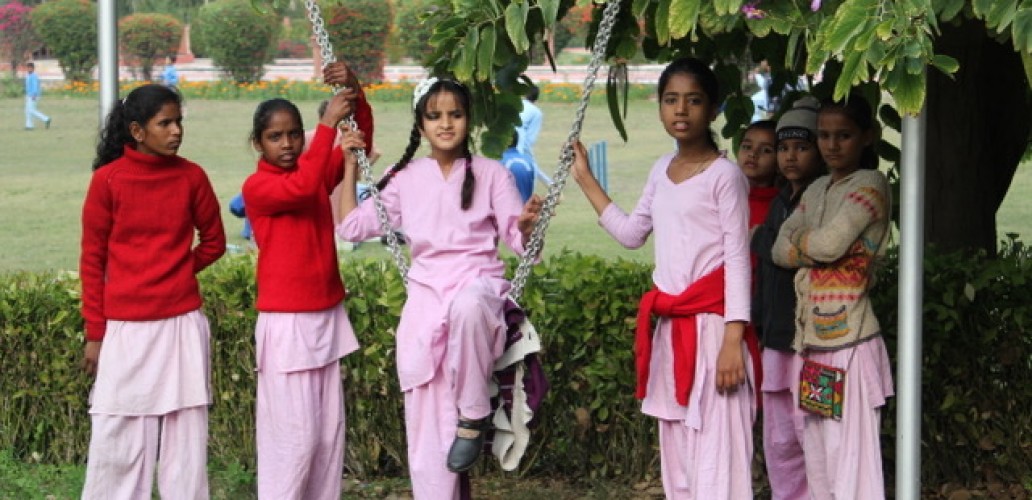
Image-6-Swings


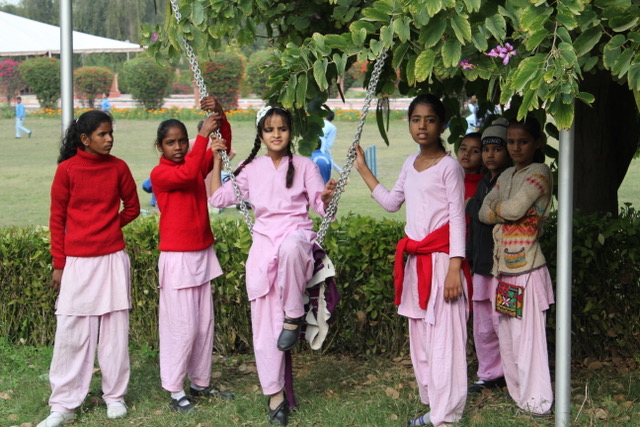
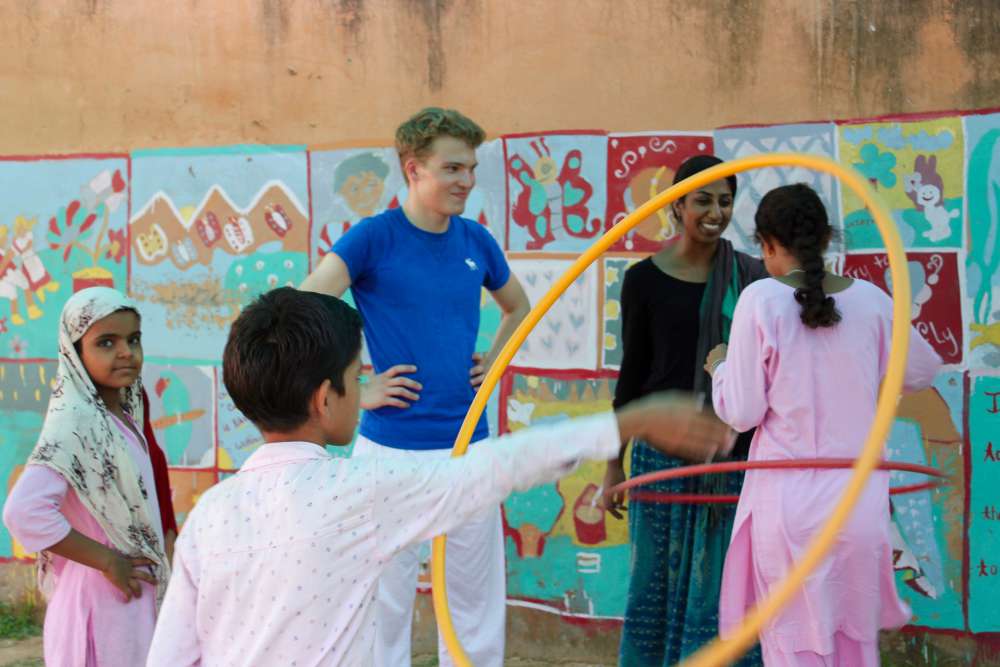
While I was lazing around after the lunch, I could see that nothing dampens the enthusiasm or tire the kids. While many took turns at the swings, there was a gang of children who started an innings of cricket. Tristan joined and hit the ball out of the field several times. Later Jan decided to bowl and did a pretty good job at that. It was quite a feeling when Jan told us about the time he used to play cricket in college, it felt as though nostalgia is contagious.


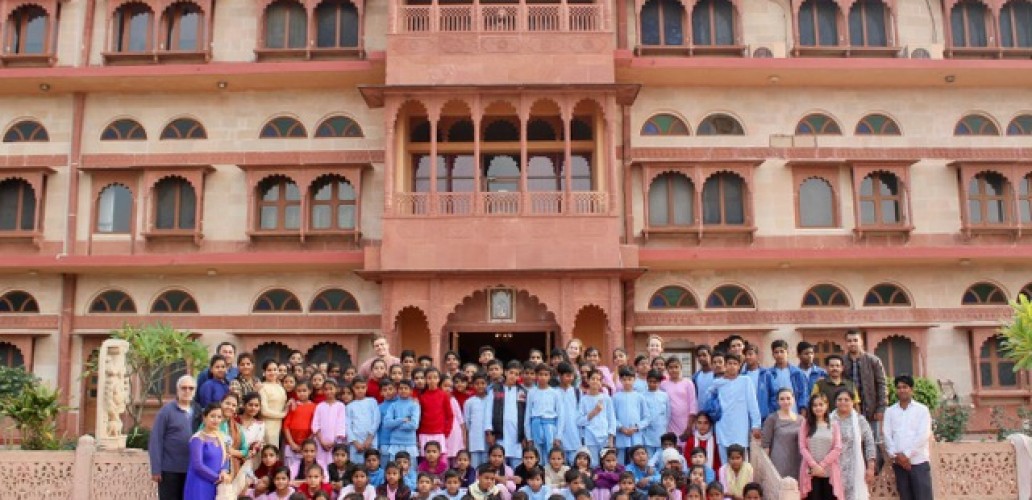
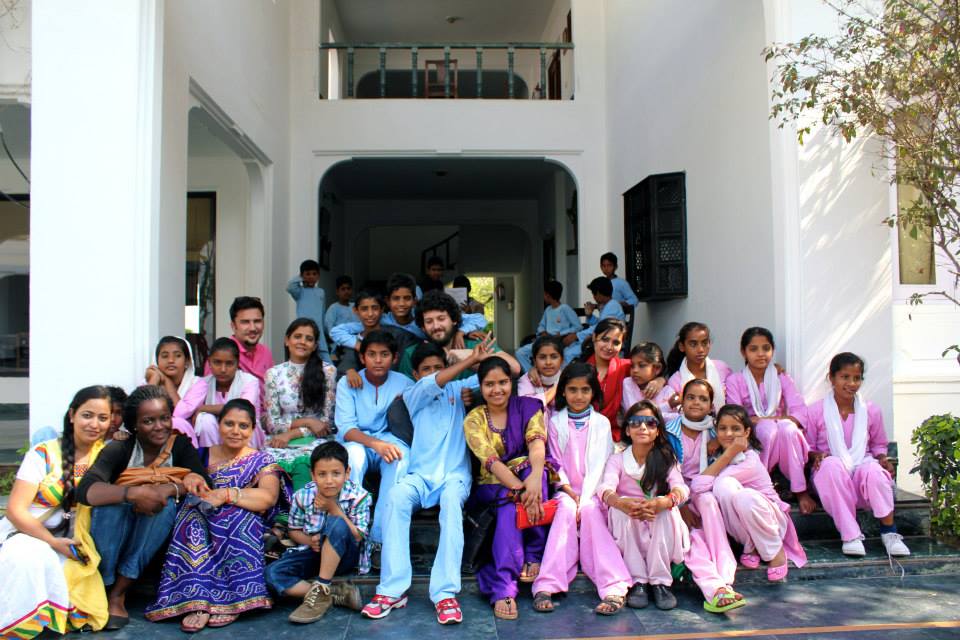
Image-7-Group-Photo-Umaid Lake Palace


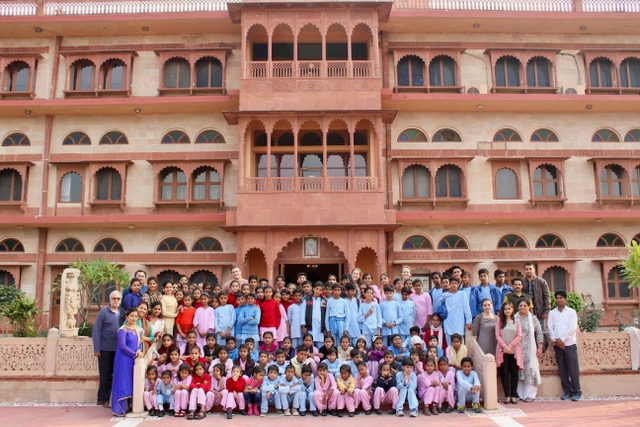
Lastly we took a tour of the organic garden at the Umaid Lake Palace and it was the first time I saw the plants of onion, cauliflower and carrot. We all gathered up for a group photo and after counting up all the kids again, we headed back to Jaipur. I remember the long tunnel on our way back to Jaipur, because of the loud woo-wooing by kids, unlike anything I have ever heard before. This just goes on to prove that the kids from the foundation always have high spirit, regardless of how tiring the journey is.

As I said goodbye to the children and everybody else, I thought of what Fyodor Dostoyevsky said, “The soul is healed by being with Children”. When I look back at that journey, I remember of my own childhood and the innocence of a child. I’m glad that I went to Abhaneri with the children from foundation.

A Musical Journey


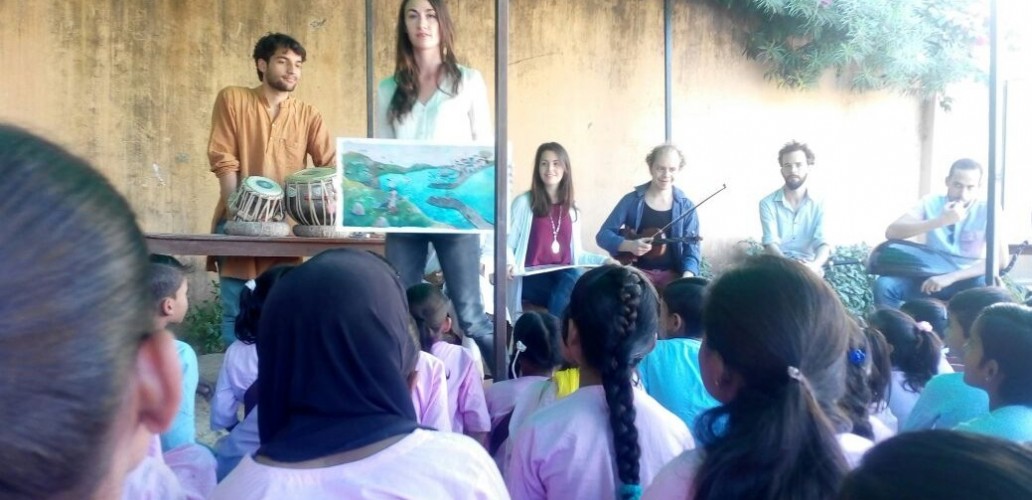
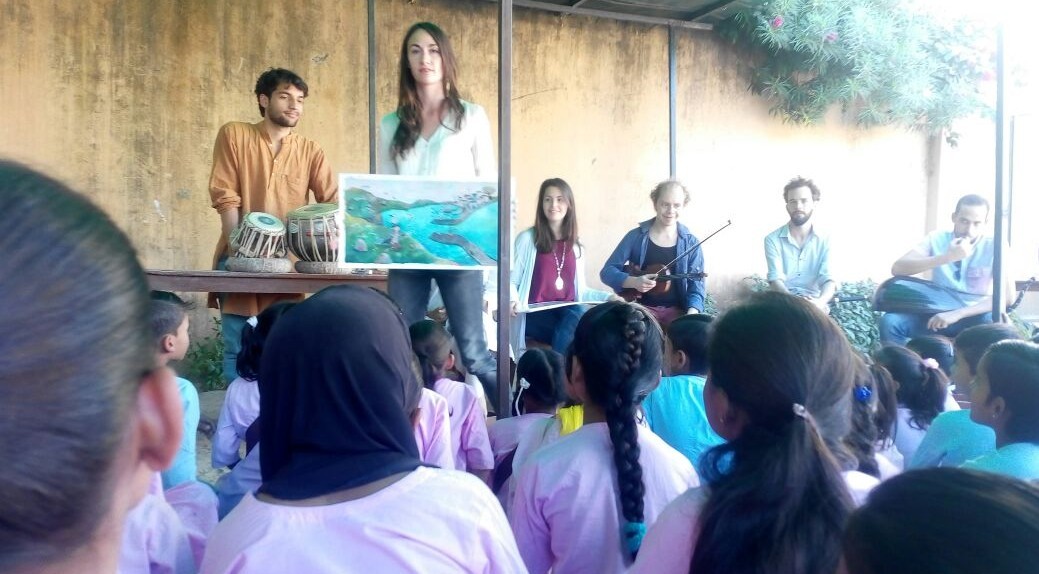
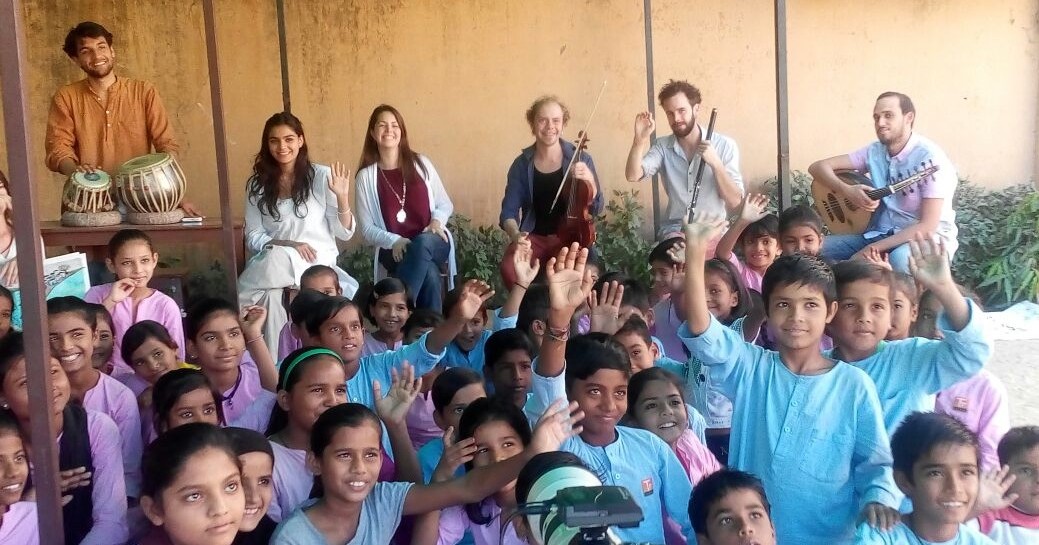
The children of Tushita Foundation had the pleasure of witnessing a musical performance by musicians from around the globe on the 11th of November. Knowing little of what was to come everyone sat together, eagerly waiting.

The story began as the band leader, Charllote narrated a tale of a French girl who steps out to explore the wide world discovers a massive ship. During her journey, she encountered different musicians in different countries. The music of every musician was different, yet beautiful and carried the essence of the culture of their lands. The French girl had heard them all playing beautiful melodies separately. An idea struck her mind and she wondered how wonderful it would be if these musicians played together, without knowing each others’ language and culture, communicate with the language of music!

The students were so excited of the music display to come, but when it began, well, let’s just say it wasn’t the best. Each musician played only to their own ear and want, the combination was pretty bad, which the French girl immediately recognised and shushed everyone up. Upon pondering the problem, the girl said to the others, I think we need to talk to each other and listen to each other, then maybe we can play beautiful music – and oh how they did! A beautiful concord began and we all listened amazed.

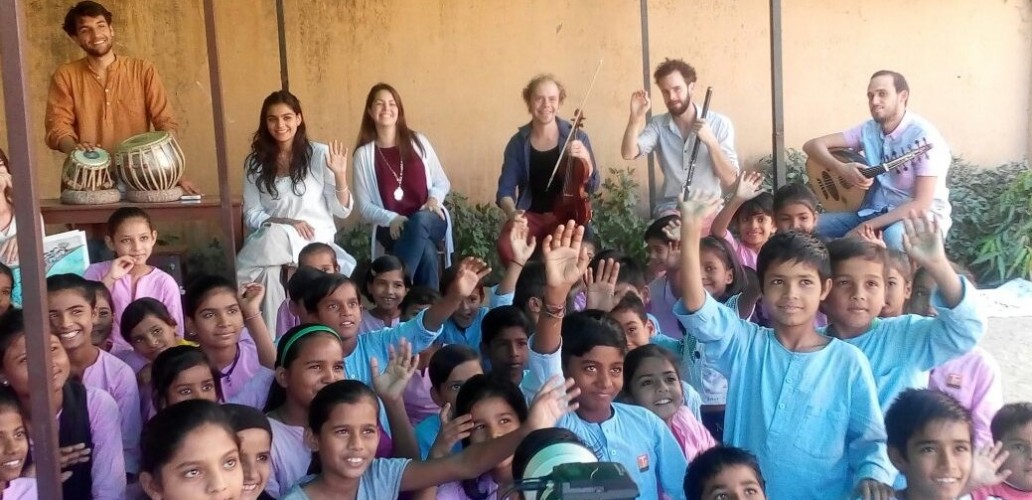
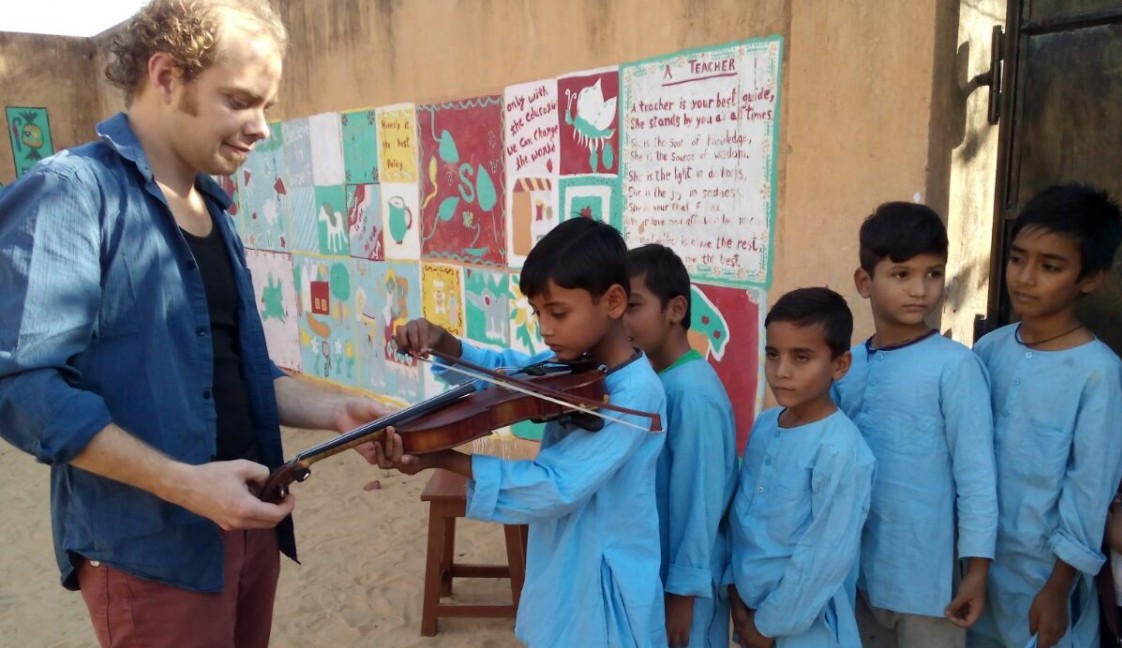
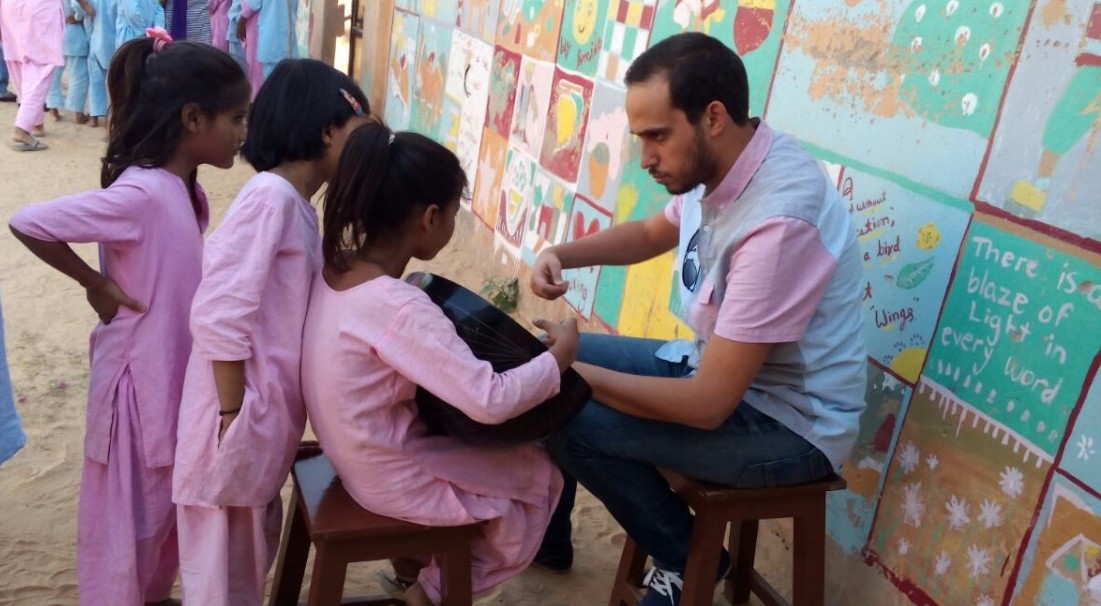
That wasn’t the end, next all the children got the chance to go to each instrument and give it a go – for me it was the flute that was surprisingly challending! The children appeared to love every moment of it, engrossed in the musical performance and jumping at the chance to get on board themselves.

Field Internship at Tushita Foundation India

By Markus Specht


Tushita Foundation was founded as a Corporate Social Responsibility (CSR) project by the eponymous Tushita Travels Ltd. in 2009. Tired of witnessing tourists, inspired by a desire to help, engage in inappropriate behaviour, giving pens and candy to children on the street, the Indian owners of Tushita started looking for an NGO to support and direct travellers to. When they finally stopped searching, they had decided to create their own organization; not a school, not an orphanage, but a home of learning and empowerment, a place that belonged to the children and their families, where they would learn with fun and grow in self-assurance; a place where religious, social and racial divides would be washed away by the joy of learning and the power of tolerance. “Our motivation stemmed from an unwavering belief in the universality of human values, irrespectively of caste, creed, and colour. We realized that in the small, connected world we are living in, we could humbly make a difference,” says Veenaji Rathore, the soul of the Foundation.


1


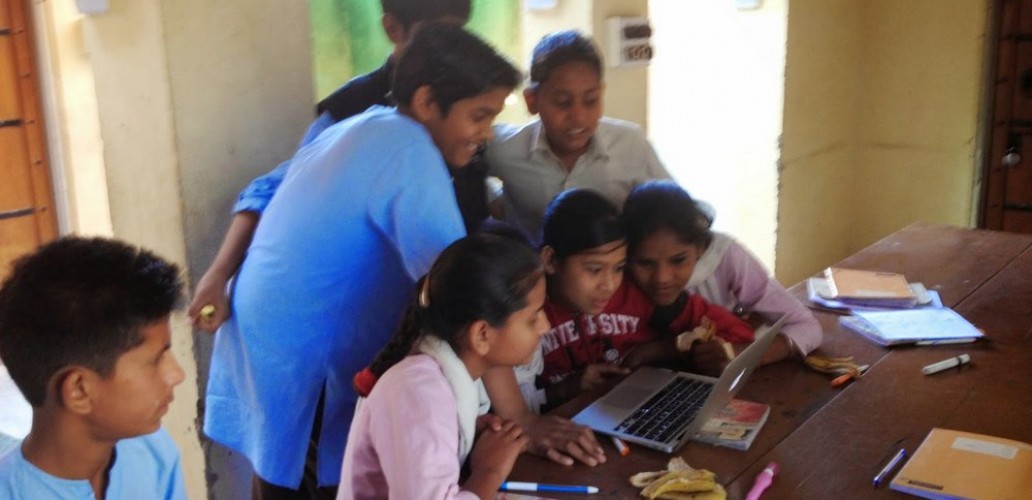
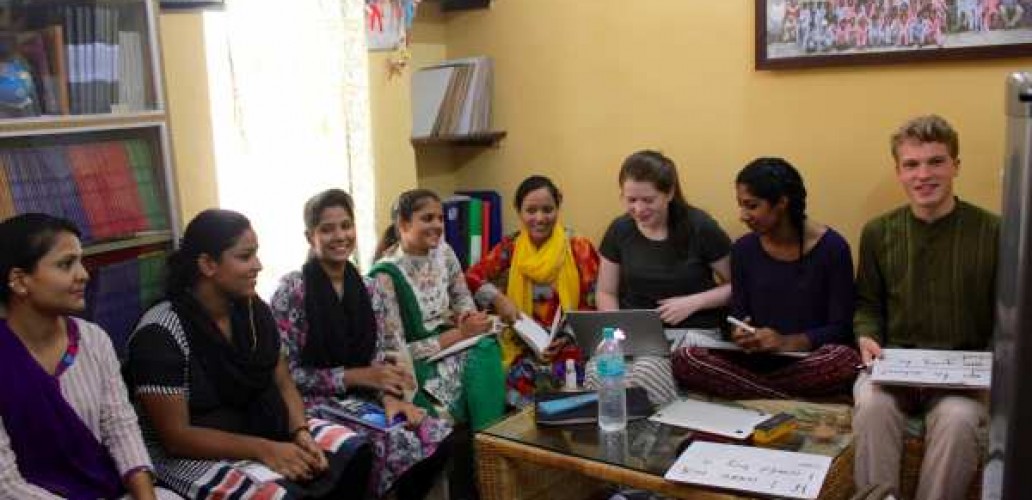
So far so good, in theory. But how have these lofty ideals been put into practice? How does Tushita differ from other kinds of volunteering projects? An afternoon activity for the children, the Foundation is at the heart of the community and provides an invaluable service to the families of the village. When they come after their regular school, the children rely on us volunteers, as we are often the actual teachers in class. Inviting undergraduate students from the best universities in the world to teach and share their passions with the children, Tushita Foundation creates inextricable ties between the local population and people from all over the globe.

Not only do we interact with three classes of children every day, but we also have a session with the teachers, all of them young women from the village who are reshaping their identity by becoming teachers and thus role models for girls in their communities. These sessions have proved to be one of the most valuable aspects of the internship experience for me.


8


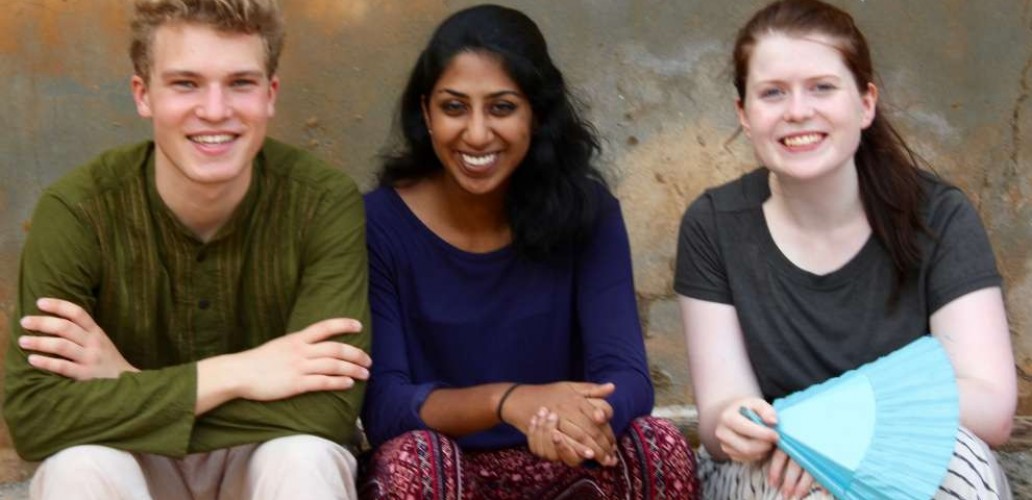
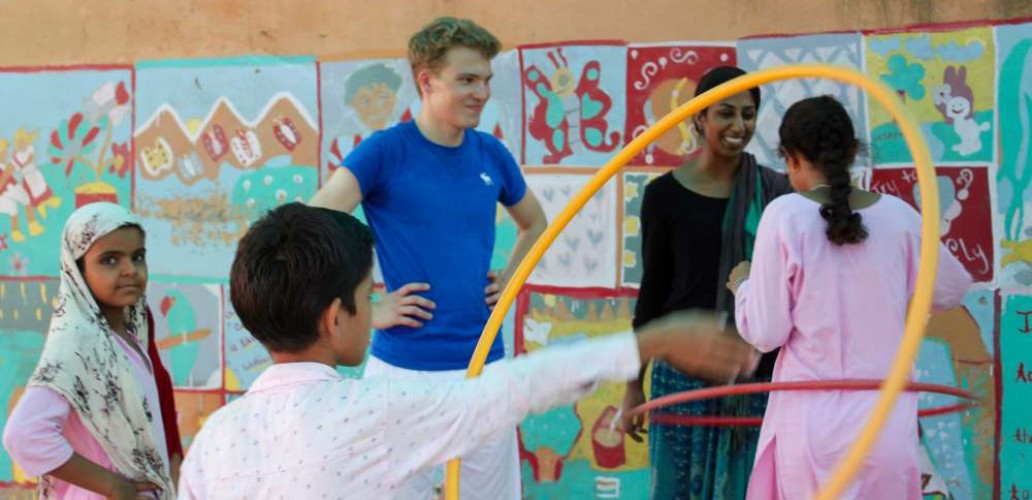
On a typical day, the volunteers (Kate from Oxford, Zaynab from Princeton, and me) go to the Foundation at noon. Teacher session then takes places for 90 minutes, after which everyone has lunch together. At 2pm, the children arrive and each volunteer teaches his or her class for three batches, where each batch takes 75 minutes. At six, there is playground time with all children who are still there and afterwards, the volunteers and teachers leave for the day. Saturday is devoted to playground time only.


17

Field Internship: Inventory of Skills Developed

Having taught English before, I thought this would be an experience I would be very comfortable with. While I did have fun, the lessons also challenged me, however.

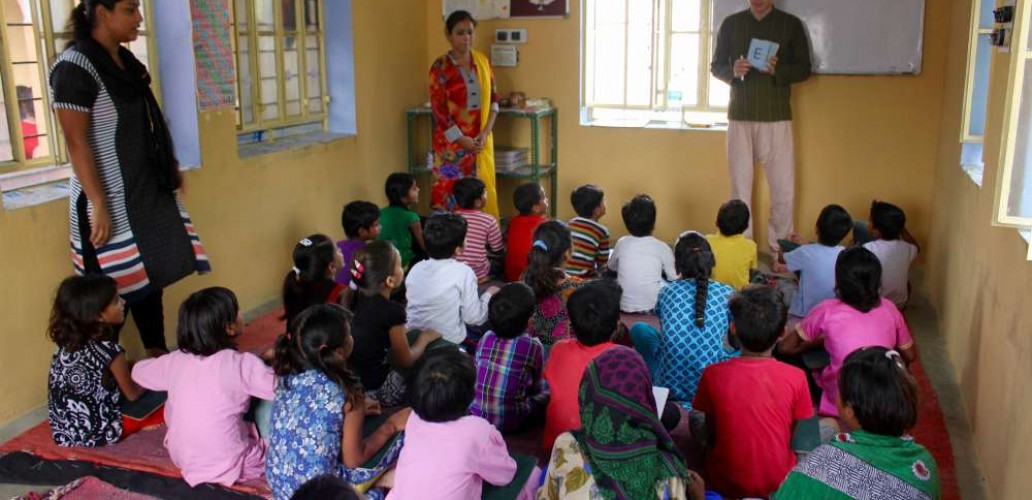
I had to solve many ‘problems’ that came up while working together with the children on their language skills. First of all, I realized that I needed to teach words and writing in a different manner than it is taught in Indian Government schools in order for the children to really benefit from their experience here. Therefore, I started teaching phonetics – especially in the second batch that consisted almost exclusively of children that were new to the Tushita Foundation and only ever had the experience of Indian Government schools. I solve our issues there by dividing the incredibly large group of children into three circles. As there were two teachers with me in the class, every circle had a teacher. I felt I was thus assuring that no one felt left behind, on the one hand, or bored, on the other hand. It was a little distracting to have three simultaneous ‘lessons’ in one room, but the situation improved in my opinion. After a few days, I noticed a positive change in the atmosphere in the second batch. While it was quite a struggle at the beginning because everyone was quiet and hard to excite, it soon turned into complete chaos. After introducing a few changes, however, we were then at a new stage where those students that had been very shy, were now excited to learn and to participate in games while those that had always been interrupting and yelling quietened down a bit, making the overall atmosphere more like those in the first and the third batch. It was great to see that, even though it took a month, the students were getting acclimatized to life at the Tushita Foundation.


7


As we focused on a specific area of language learning, namely speaking, I learned a valuable lesson concerning teaching. When we went around the circle and asked each others’ names, age, favourite animals, etc., I caught myself wanting to correct small mistakes made by the children (leaving out articles or prepositions, for instance). I did, however, mostly try to ignore that urge and let the children speak as long as what they wanted to say was intelligible. I feel that it would not benefit students that are very shy and still trying to figure out a language if I corrected them constantly and thus interrupted their speaking. An advanced speaker, who makes mistakes and does not see them as mistakes, must be made aware of it, but only if the speaker is advanced enough to make use of criticism. In teacher session, for instance, I made a clear distinction between correcting advanced teachers, on one hand, and not correcting so much the assistant teachers, on the other hand.

Dividing the teacher session as well, I focused on grammar with the assistant teachers while the other volunteers were trying to work out the details of the TEFL method together with the teachers. I was very happy to do grammar with the two, not only because they put a lot of effort in it, but also because I really like grammatical structures and making someone realize how easy it is once you get the hang of it. However, I soon realised that I had tried to cover way too much ground in just a single lesson. While I had thought we could do a sort of review of the tenses, it turned out that we had to start from the very beginning – including clarifying what nouns, verbs, and adjectives are. Even though this was frustrating at times (because I had not been aware of the fact that this would be necessary), we were figuring it all out together and ended up being very successful.

Surprises

On a personal level, one day something interesting and a little disconcerting happened during playground time. One of the girls in class with older students, Sana, talked to me for a while and at some point wrote the word ‘love’ in the sand. When I asked her what she meant by that, she responded by writing the word ‘mother’ next to it. It turned out that she was saddened by her mother’s apparent lack of love for her, as she explained. Trying to explain to her that every mother loves her children, even though she might not show it sometimes, I could tell she wasn’t convinced. She told me that she had somehow let her mother down and that her mother didn’t love her anymore. Not wanting to dig deeper, I told her that many people struggle with their families, which is why friends – ‘the family that you choose’ – exist and how everyone at the Tushita Foundation loves her. She was cheered up by the anecdote I told her about Zaynab, my co-volunteers, telling me on her first day that there was one quite outspoken, open-minded, and happy girl in her class: Sana.


18


Two more anecdotes about my personal exchange with the children struck me as well: the first one is about one of the teacher’s niece Falak who was a student in my class. She is a very nice girl but usually keeps her head in the clouds, not disturbing anyone but not really paying attention either. One day, however, there were only six people in the first batch and I decided to take advantage of the situation and we read the book ‘Trunk Trouble’ together. The story of how three elephants get their trunks tangled up and all the animals try to help untangle them captivated her completely and I have never seen her so engrossed by anything we had ever done before, answering questions promptly, correctly and most of all excitedly. This has shown me again how different children learn in different ways and how important it is to try to cater to everyone’s needs.

Second story: Diprianshu, the youngest son of the lady who cooks at the Foundation, is only three years old but is part of my first batch. He is usually very quiet and everything clearly goes over his head, but one day I spent a lot of time with him during class while the others were ‘speed-dating’ (it’s a language exercise) and I managed to get him out of his shell. Finally, he repeated a few sentences in English after me, did animal sounds (quite convincingly) and gave me a big smile. He made my day!


3


Our relationships with the teachers were also very important to us as volunteers, and I learned so much from these smart and kind ladies. Once, for example, when we asked the teachers to write a few paragraphs on an issue in their society they would like to change, our proposal was met with a level of candour and emotion we had not expected. 24-year-old Ruksar wrote on how unfair it is that girls have to move out of their homes and into their in-laws’ place when they get married, prompting a heated debate. The teacher of my group, Rahela, talked at length about reservations for low caste Indians in government jobs and how she feels that this works to the disadvantage of general caste Indians. Besides this extraordinary insight into Indian society and its ailments, one of the most valuable lessons I have learned is to acknowledge problems in other societies without putting the place you’re from on a pedestal. There is much to change in Europe as well and while the teachers talked about what they liked in other countries, I am now realizing that we Europeans can learn from India just as much as they from us – maybe in other areas, but nevertheless.

It is in this context that I was able to identify several topics which I deem appropriate as topic of a research for my project in social sciences. First of all, I thought it was very interesting to consider the power structures in Indian society from a sociological point of view. It is much more common in India to have “servants”, domestic help (we had a cook and driver, for instance), and yet the way people talk to each other differs from what I have experienced in the West. While this relates probably more to my very personal observations during the internship, two other topics came to my mind after reading extensively about Indian politics, culture, and society:

  1. The religious divide in the country and how populist parties turn it into their own advantage. Interestingly, the Tushita Foundation is in a village that is approximately half Muslim and half Hindu. This demography is mirrored in the student body as well as the teaching staff. We volunteers, however, not being accustomed to the tell-tale signs of religious affiliation one might spot, did not know who was Muslim and who was Hindu at the beginning because the relations between children and also adults of different faiths was not in any way different from the relations between members of the same community. In my opinion, this shows how projects like the Tushita Foundation must be repeated again and again to forge understanding between different people and religious groups in Indian society.
  2. The foundation is of course first and foremost a place of education for the children and I think in a country like India, this is one of, if not the, crucial factor for economic growth,
sustainable development, and all kinds of advances in society. Only by advancing education can all strata of society be a part of the success story of the world’s largest democracy and fight against the many evils that persist in its society. I think it would be immensely interesting to do a research project into which policies would best advance education and how feasible they would be.

All in all, the internship introduced me both to big questions about issues in society, but also helped me to advance so much on a personal level. What I really came to appreciate about the Foundation is the fact that it is learning environment for everyone involved – the children, the teachers, the volunteers, and even Virendraji, the driver, who joined grammar lesson and Kanchan, the cook, who sits in on my class learning the how to write English words.

One of my favourite days at the Foundation was when we celebrated Rakhi together. Rakhi is a Hindu festival celebrating the love and duty between brothers and sisters. Everyone dressed up in saris and Veenaji, our “boss”, got all the boys, including me, new kurtas and pants. We took lots of great pictures, making the traditional bracelets together with the children. The highlight was the ‘official’ ceremony in the office that included rice being thrown on my head. At some point, I could barely move my arms because of all the rakhis (bracelets) that the girls (my “sisters”) tied on my arms, but it was so worth seeing the joy in the children’s faces. After we had given them some savoury and sweet snacks and they had gone off to the playground, we spent some quality time with the teachers and Veenaji, singing and dancing in the office – what a great ending for a perfect day!


5


When the time came to go back to France, I really dreaded leaving everything in India, but I also enjoyed repeating everything I did with the children and sort of ‘wrapping up’ this chapter of their education at Tushita. I was so very proud of how much they learned, seeing them being able to have an entire conversation in English (as long as the questions remain very straight-forward).


A Book of Me and So Much More

By Caroline Carr


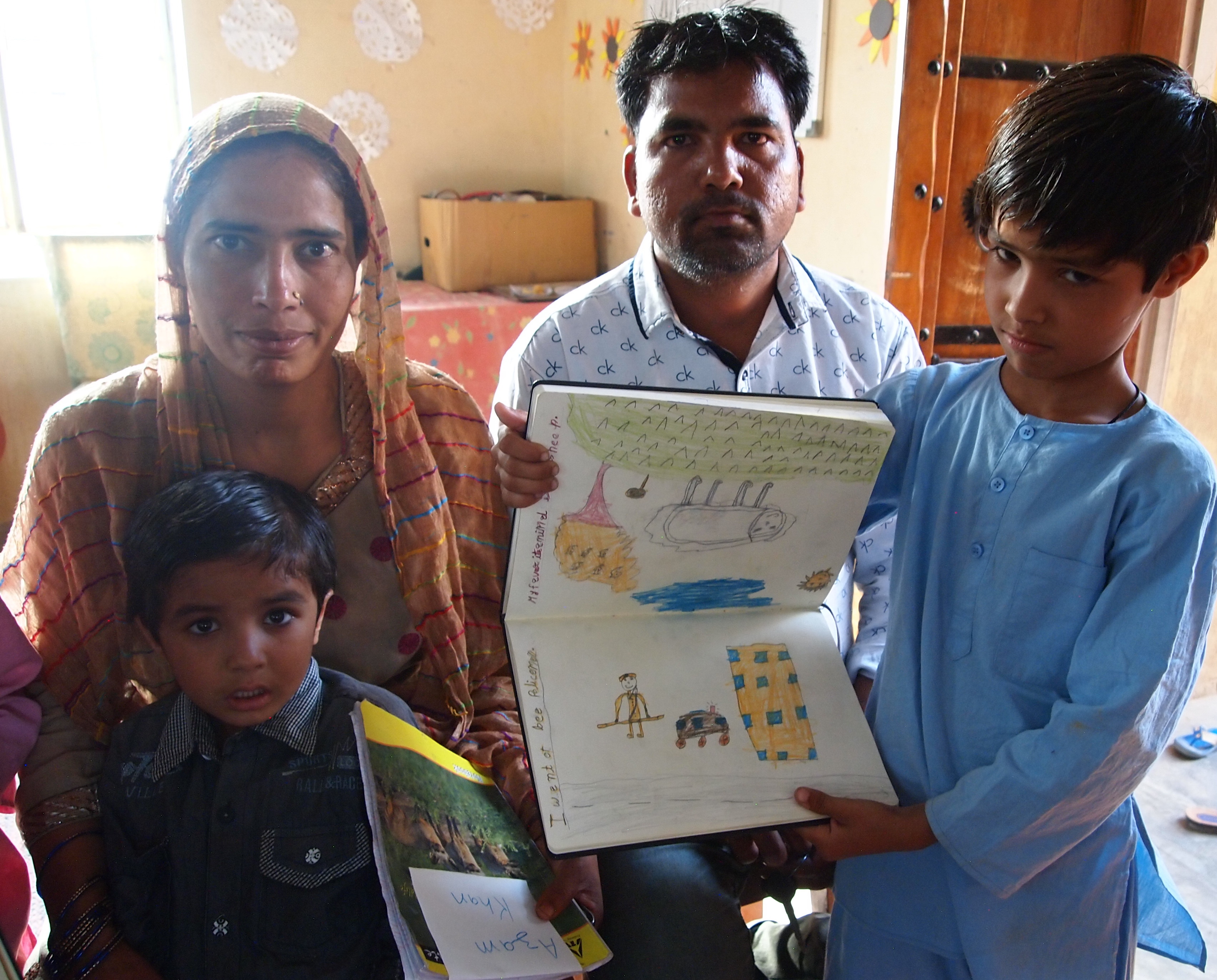
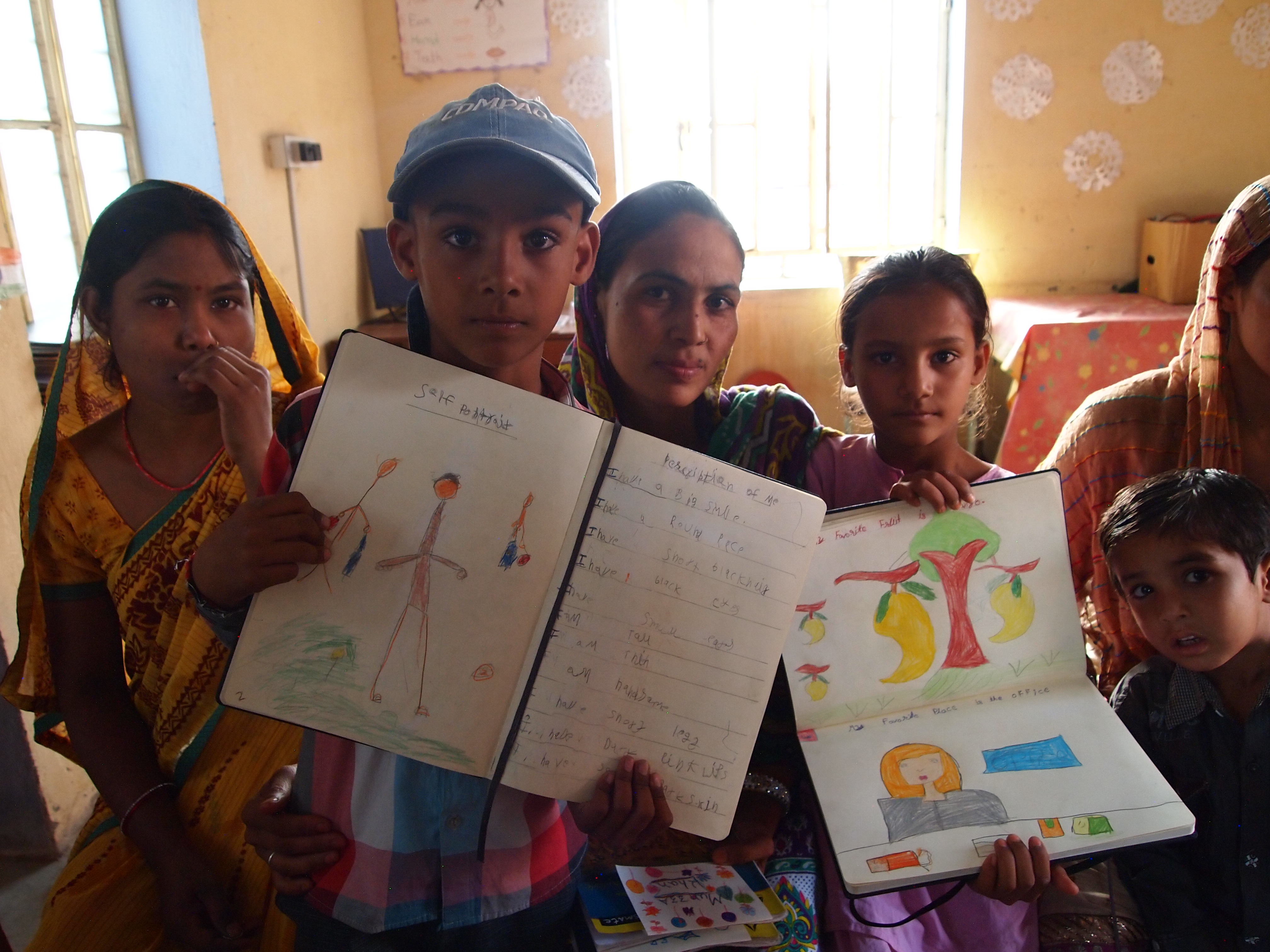
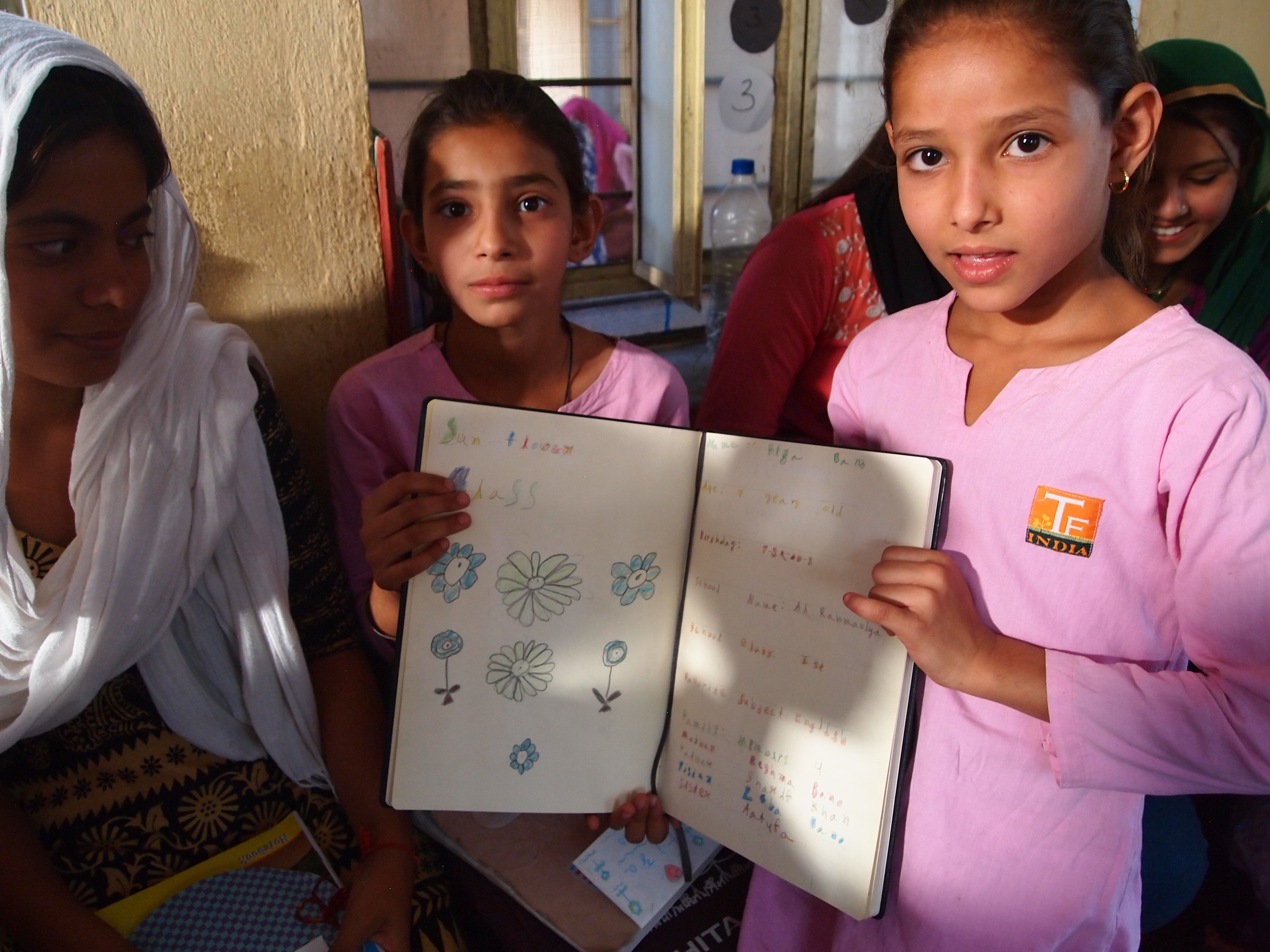
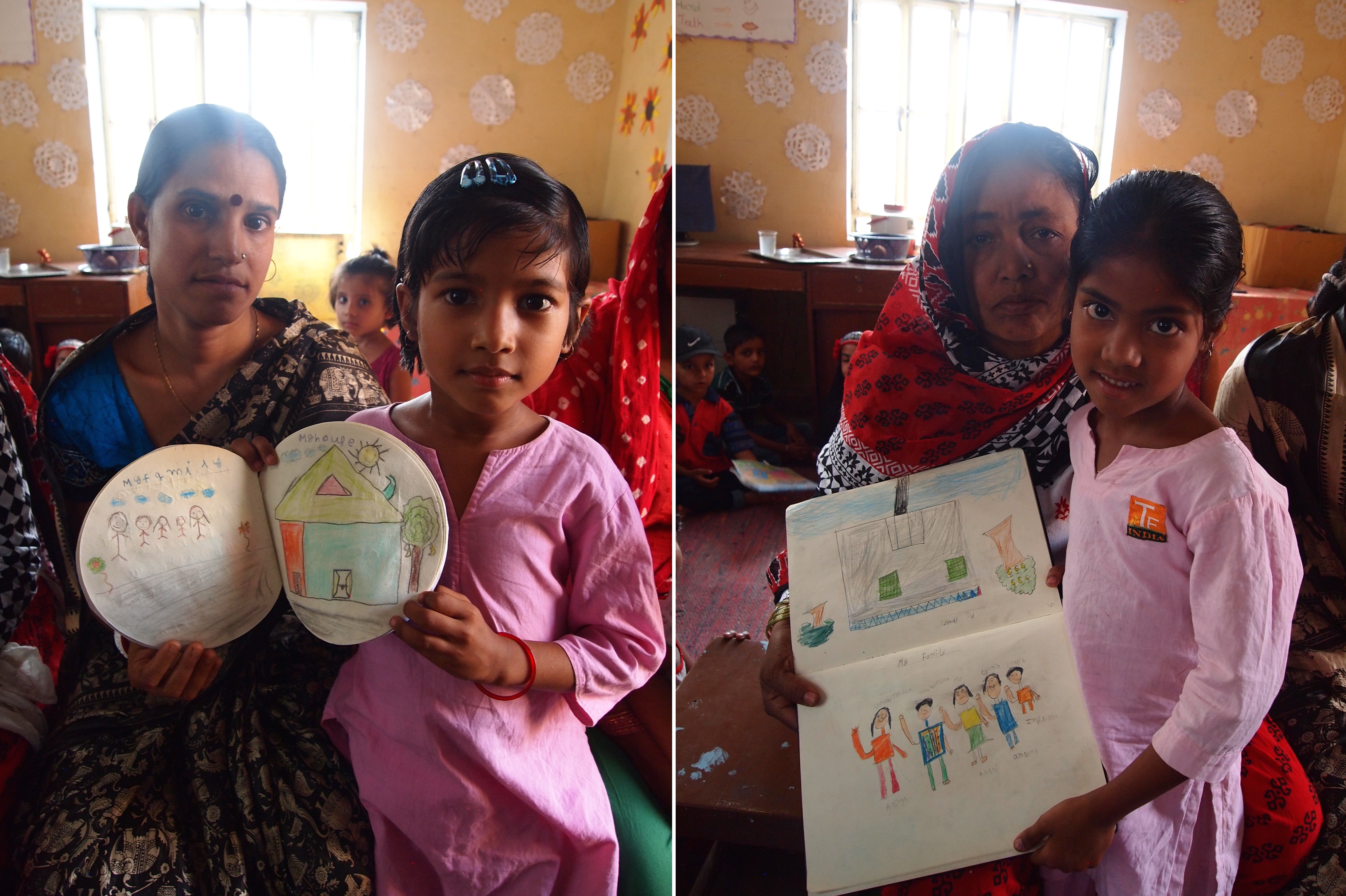
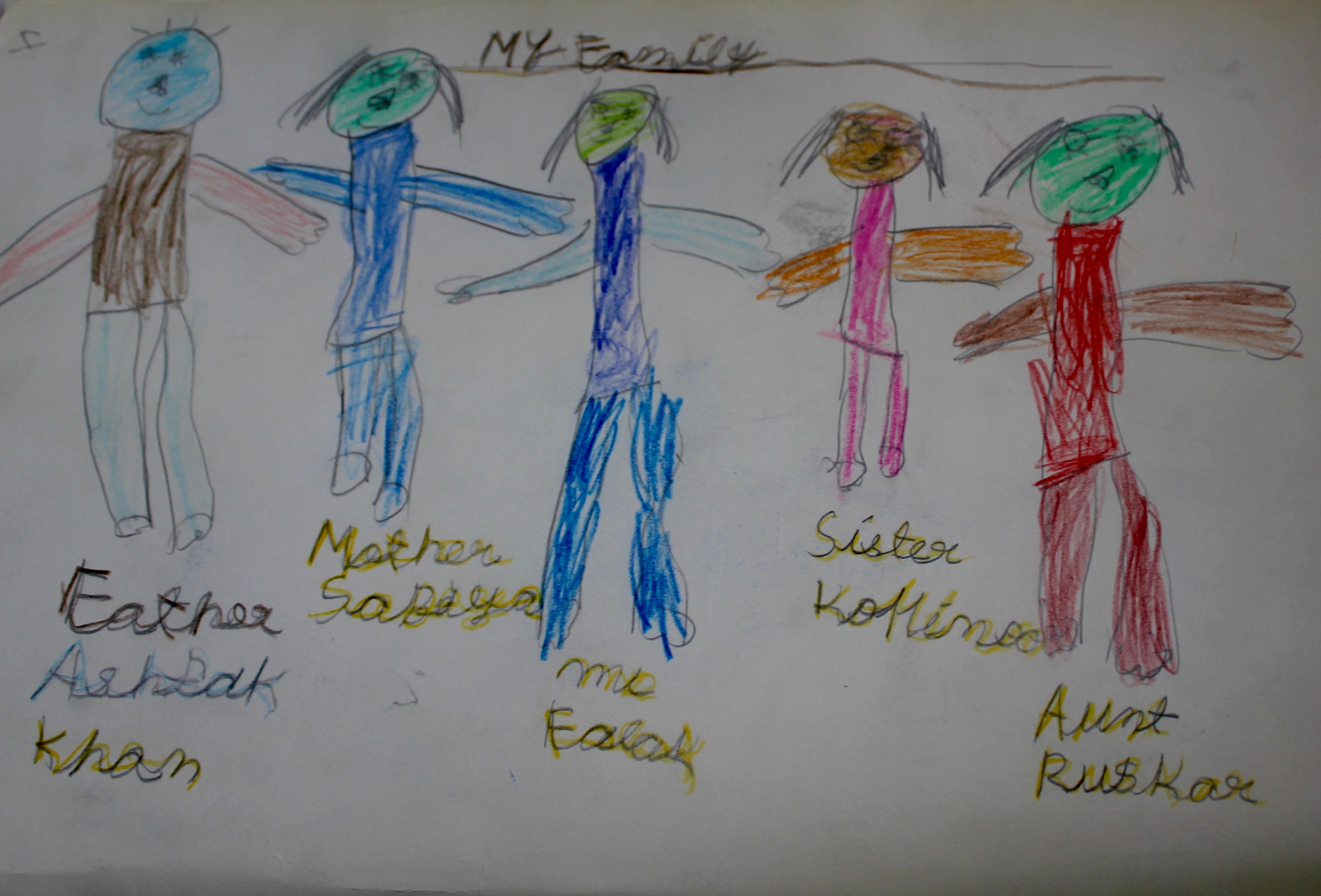
As I rang the bell for clean up and snack time, I noticed that Jabir was sitting quietly with his book in his lap. I asked him why he wasn’t putting his Book of Me away. Clutching his moleskine notebook in his arms, he looked up to me and said, “Ma’am, can I take home to my mother and father?”


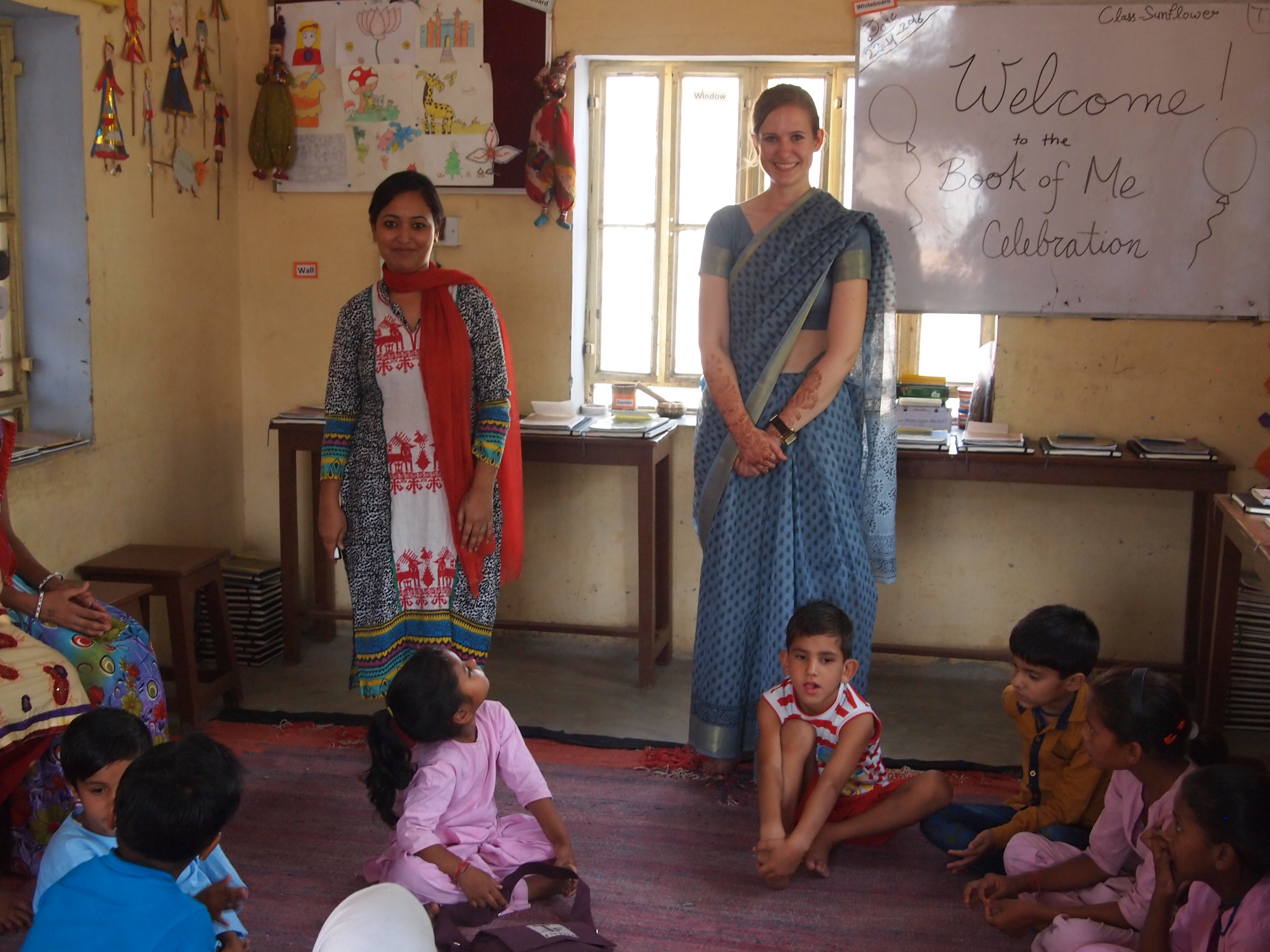
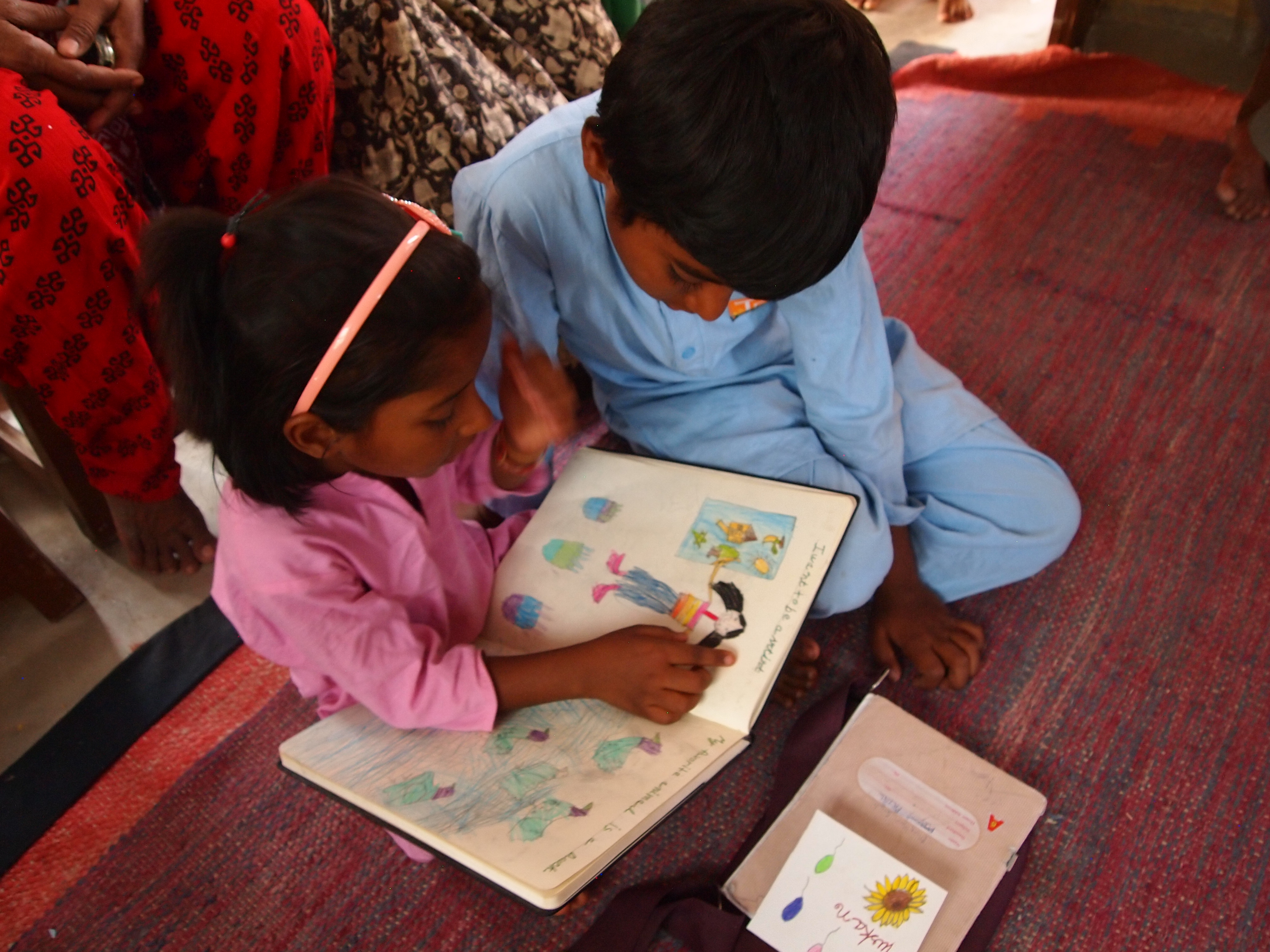
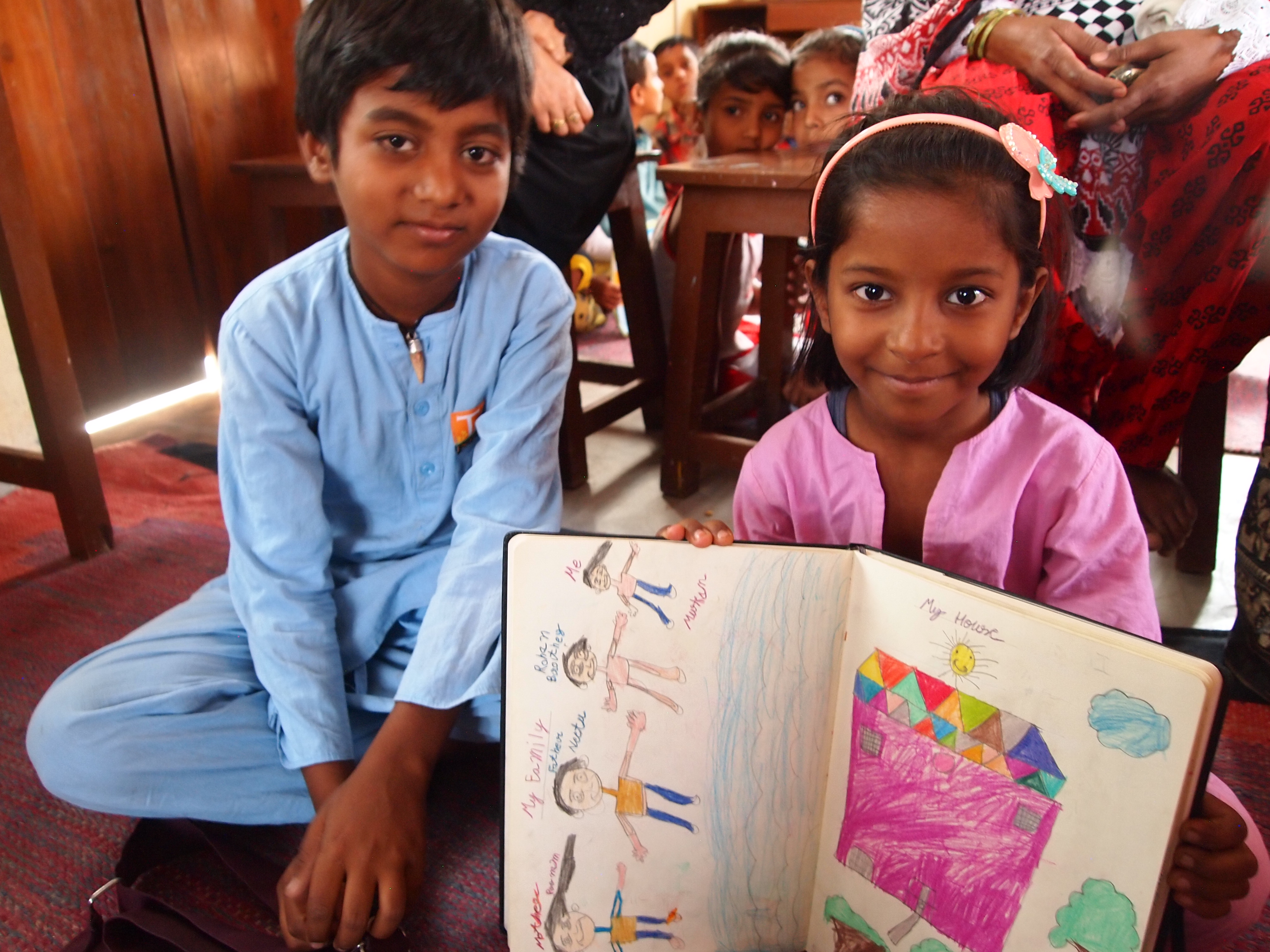
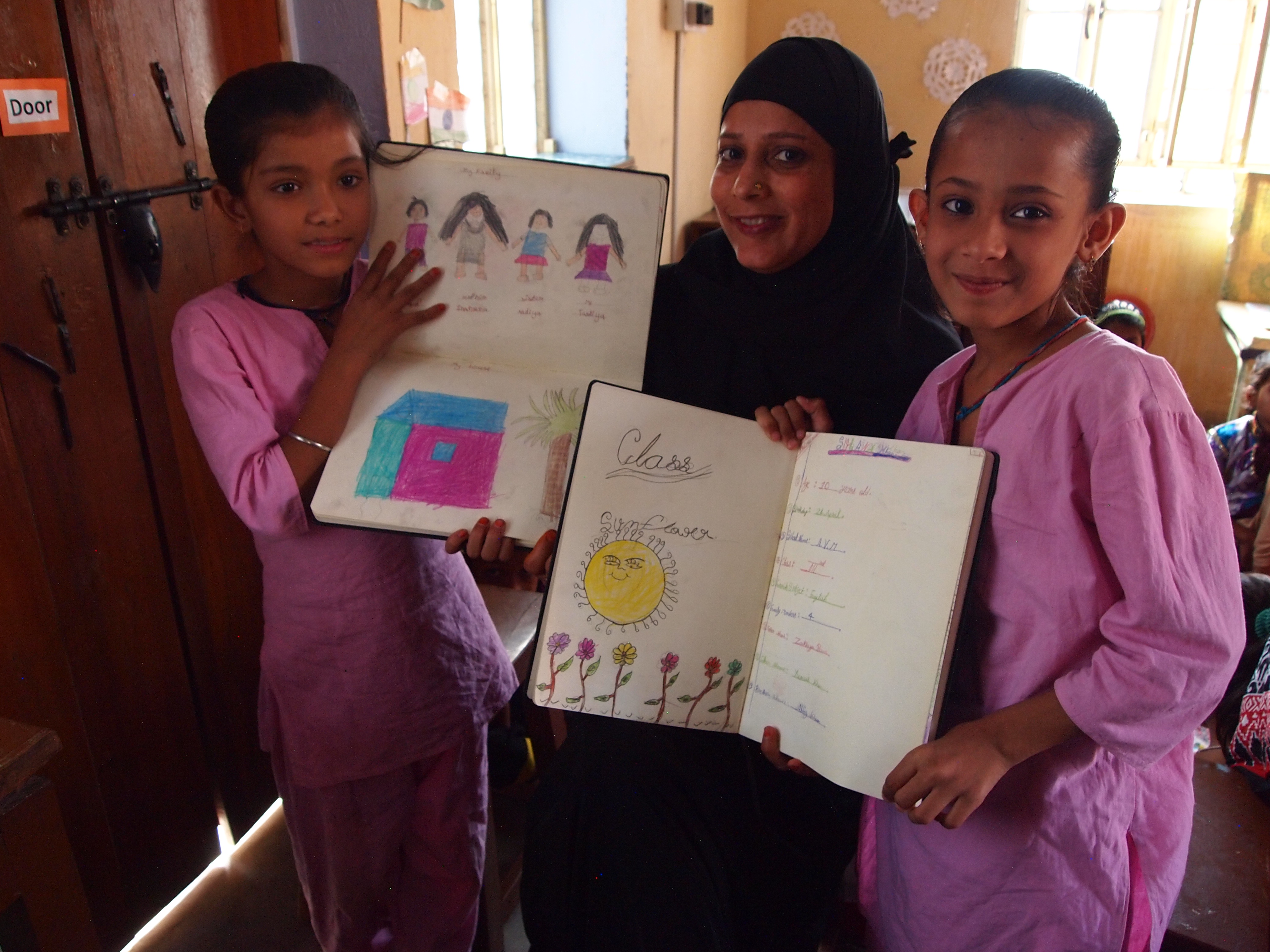
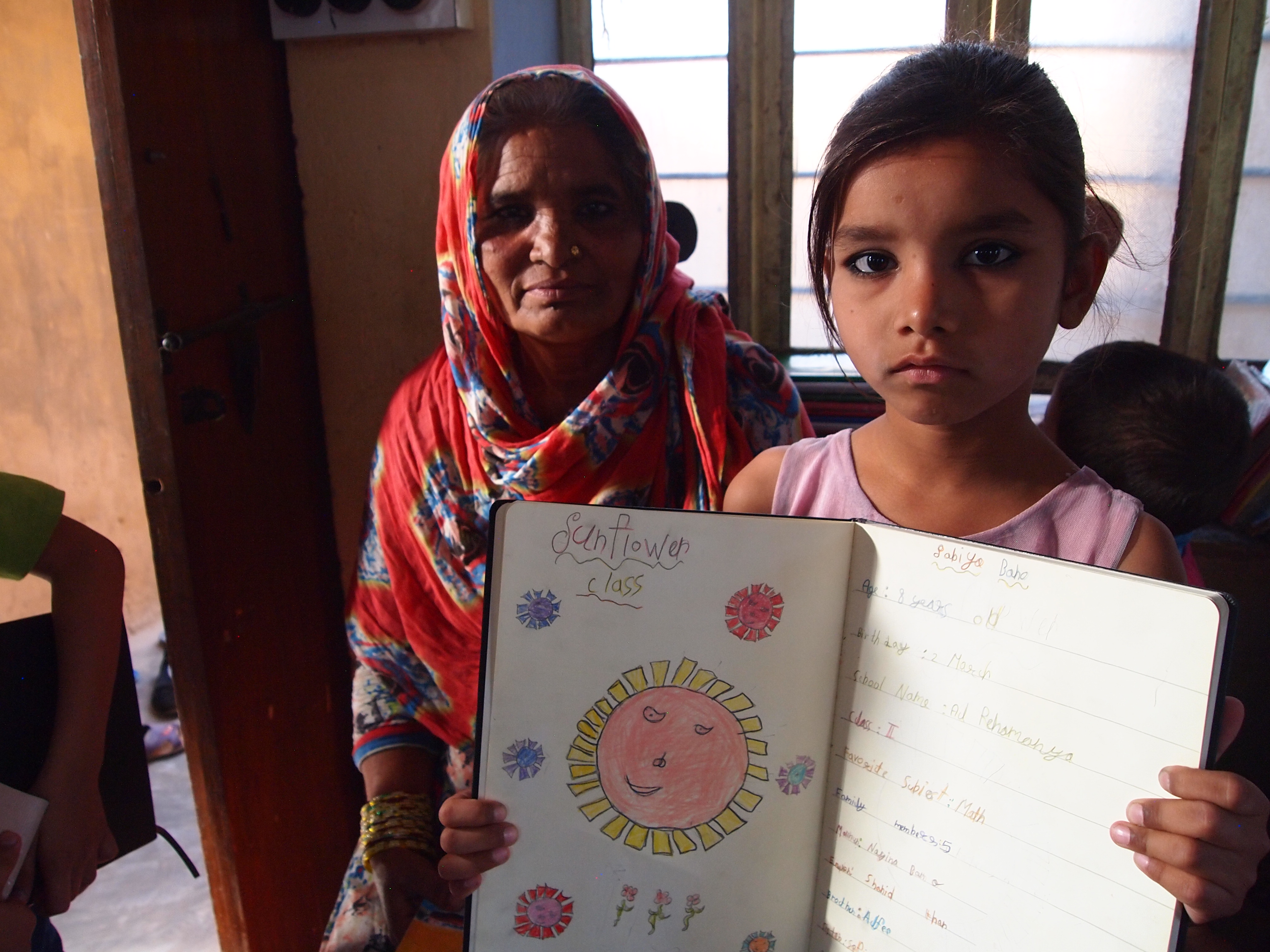
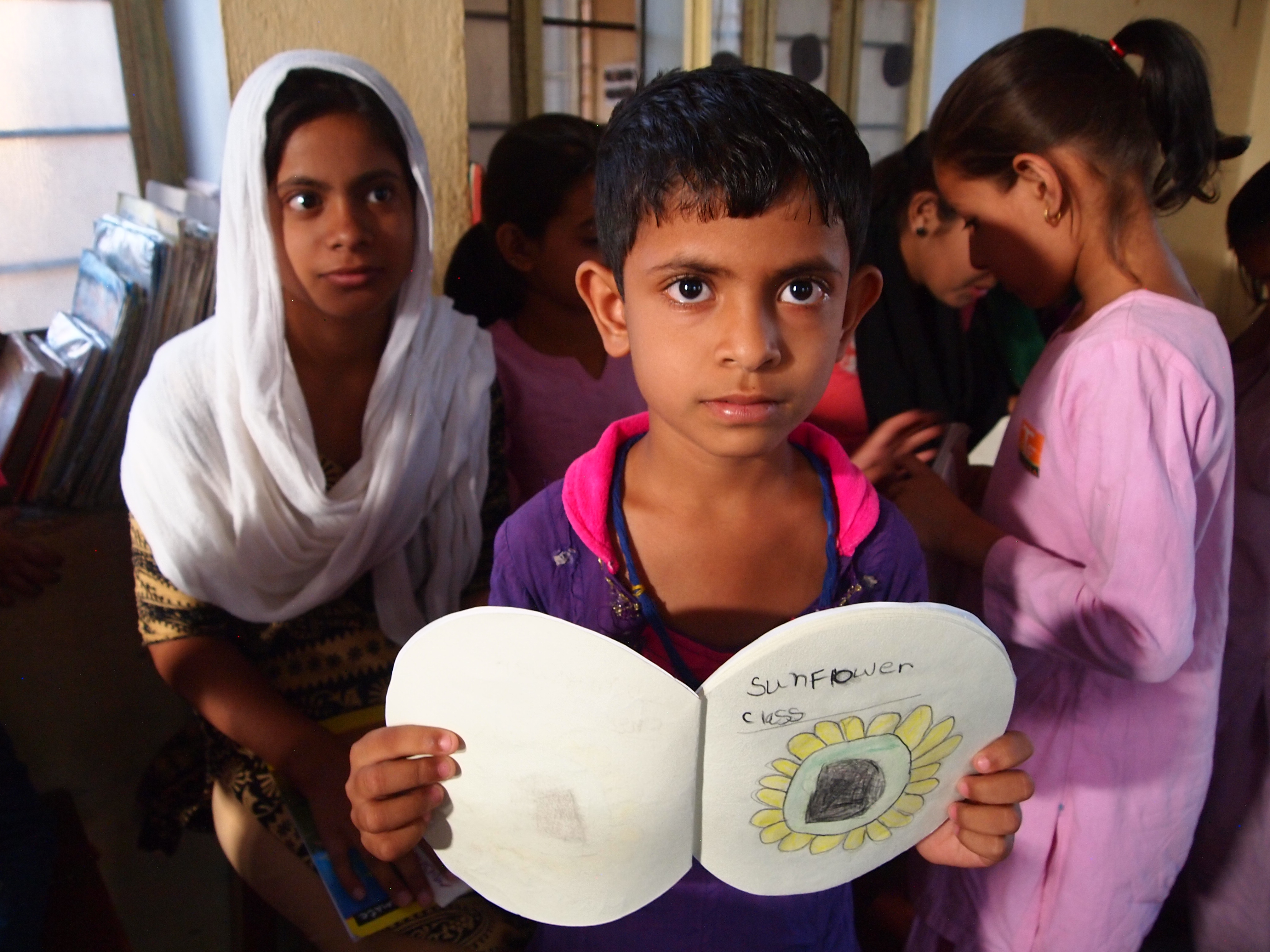
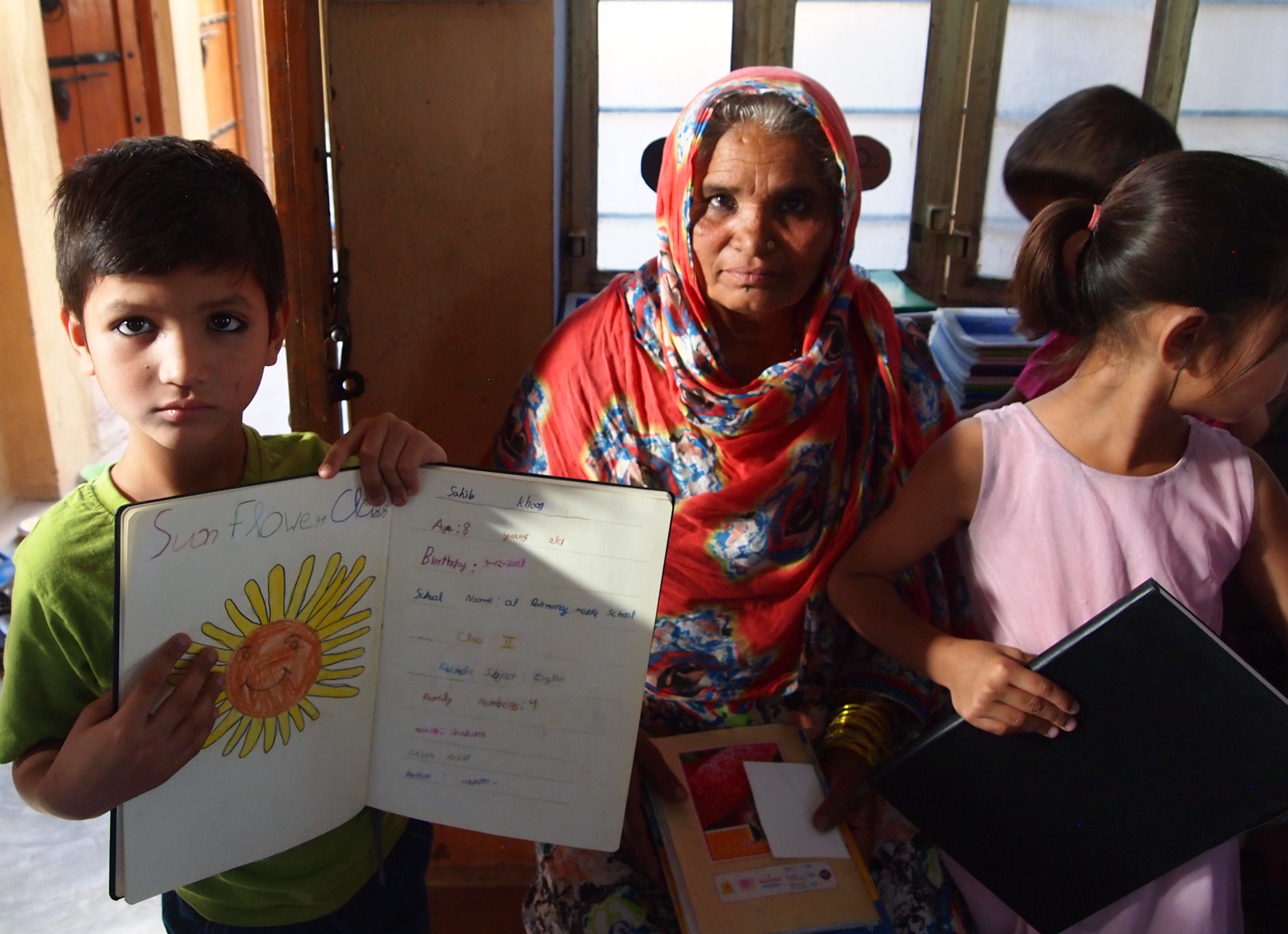
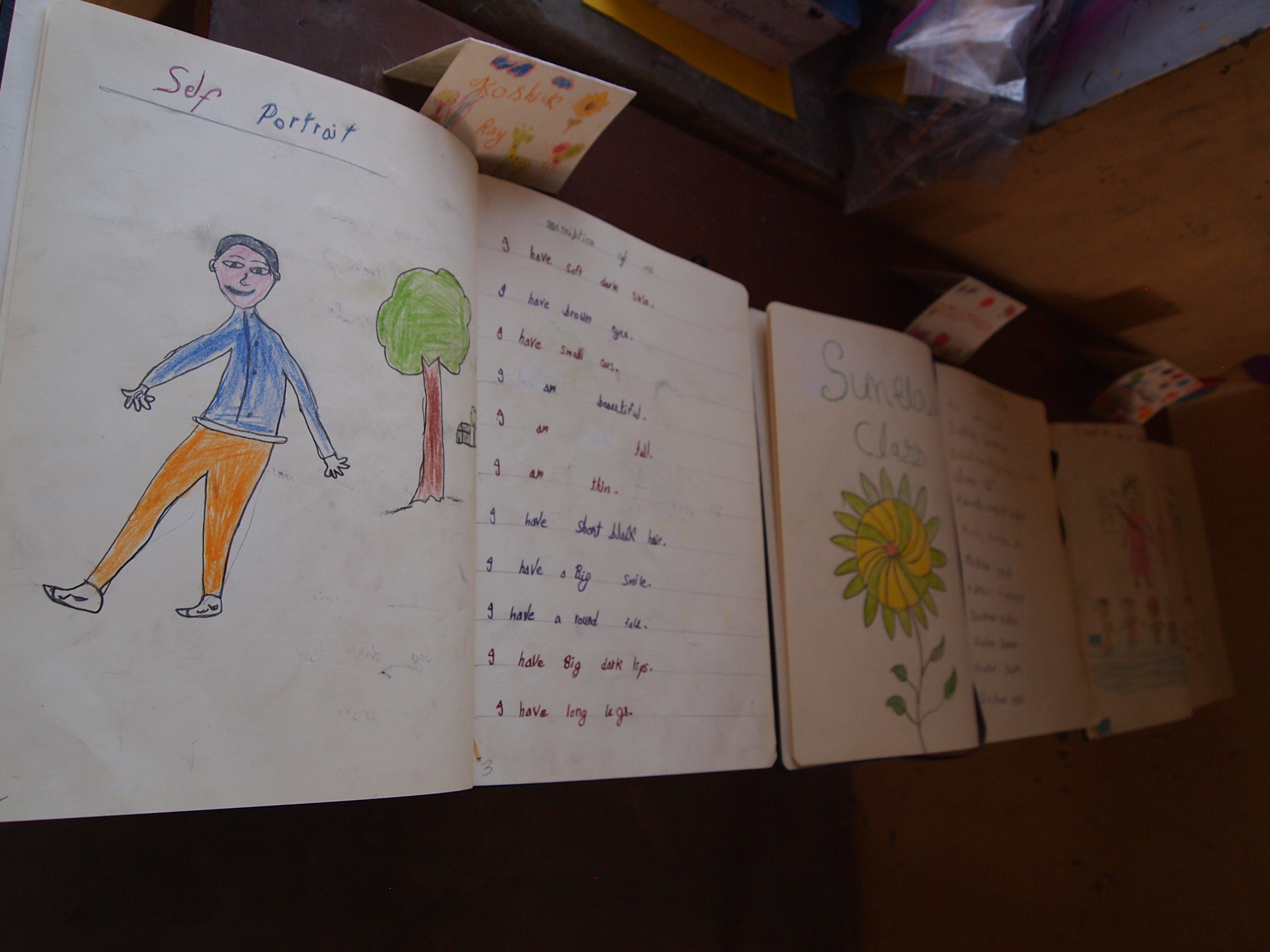
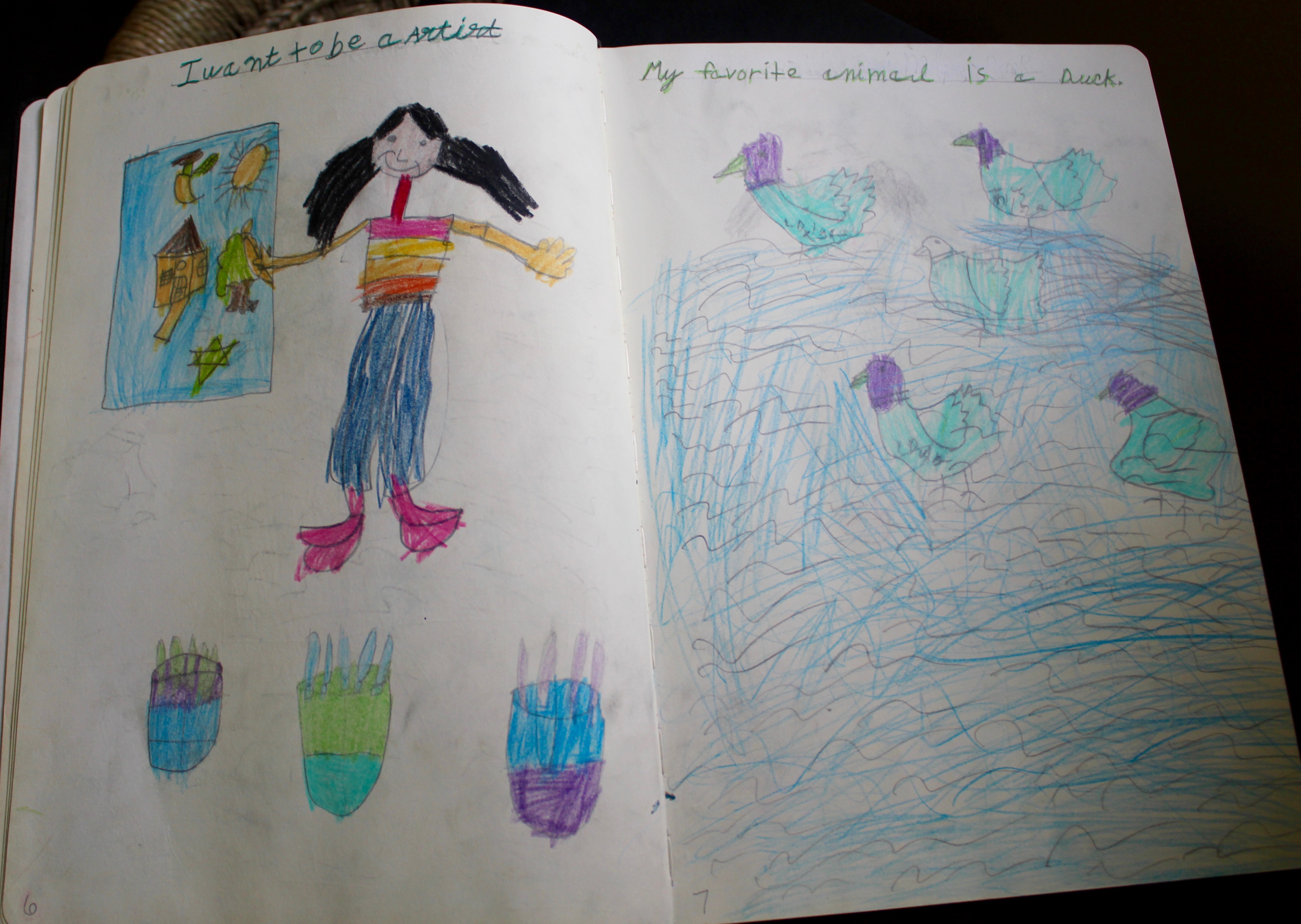
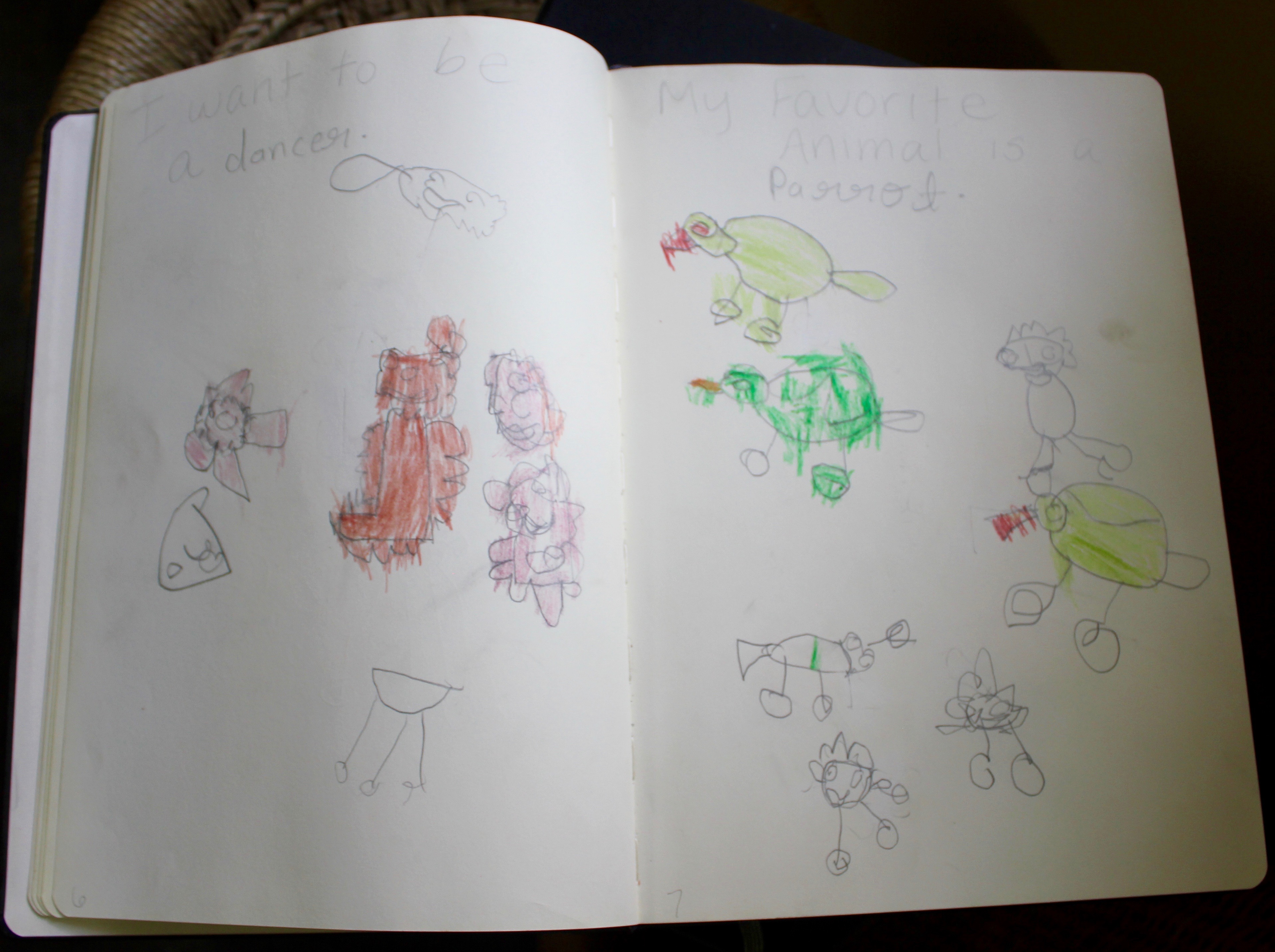
Back in September, Federico and I outlined the projects for the year discussing our plans and goals for the upcoming months. During that discussion one project stood out in particular: The Book of Me. Initially, Rosenda, our founder, created the project for our oldest students to chronicle their lives in Amer and their dreams for the future. But as Federico and I wrote a guide for the project, it became clear that the Book of Me shouldn’t just be for the oldest students, but for all students to illustrate their journeys with us. This year, we decided to dedicate one month to the Book of Me project and have our youngest Sunflower Class participate. 


At first the project started slowly, but, as each day passed, the students became more and more excited about their books. On one occasion, Rahela turned to me and said, “Look at Sakib, he is staying late.” Sakib, the 5 years old class clown, would typically get distracted in class and struggle with the content; however, when the Book of Me project began, he started to come early to class and stay late–working the whole hour eager to finish his project and show off his final product. Beaming with pride, Sakib would show off his Book of Me pages and say, “Ma’am look! Please check.”


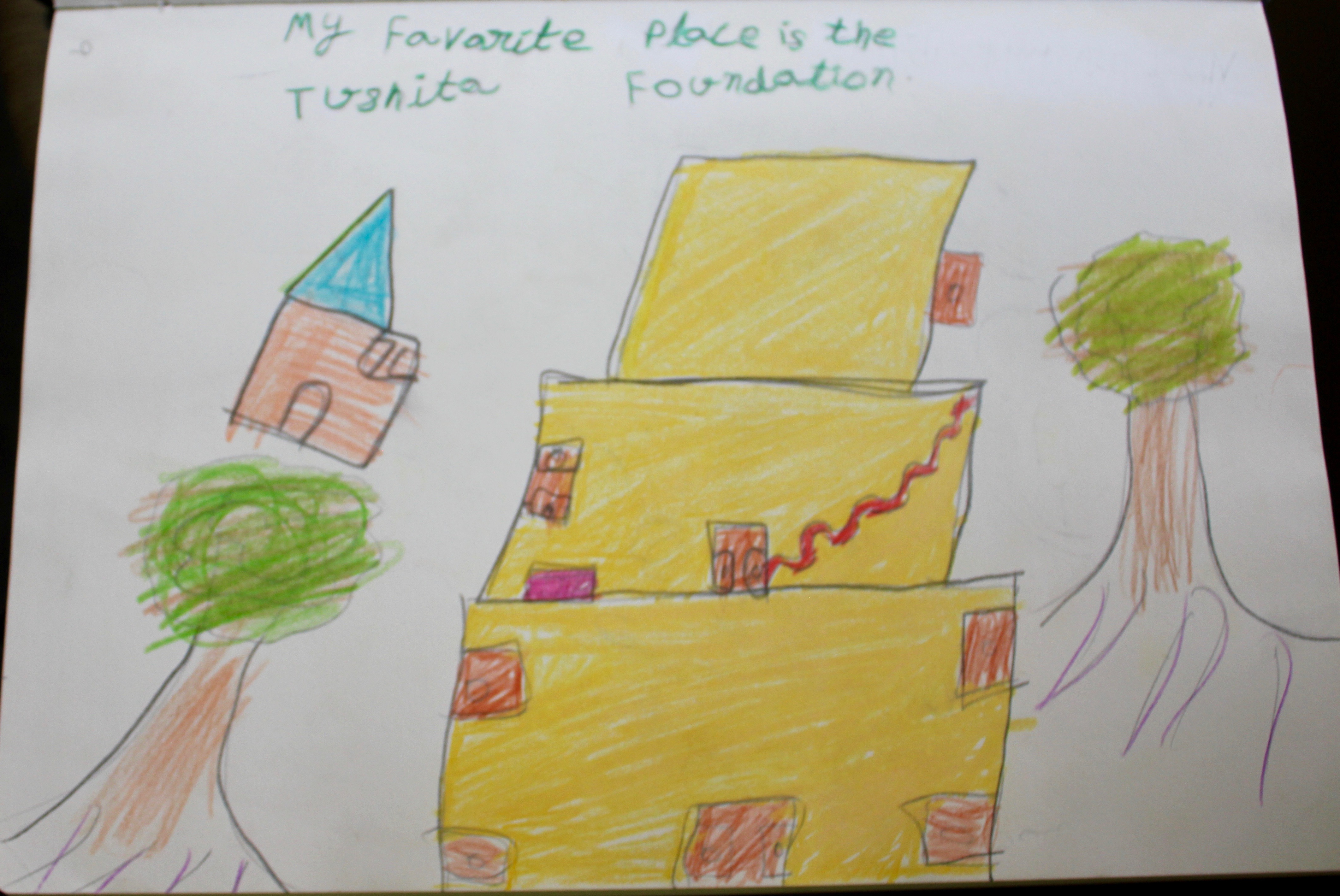
Each Book of Me has a set of questions that the students answer; once they are finished writing their answers they draw pictures corresponding to each question. One question was: What is your favorite place? Some students wrote school, the mosque, or their house, but a majority of the students wrote that their favorite place was the Tushita Foundation and playground. Muskan, a shy 5 year old who wants to be an artist, would sit at the classroom window overlooking the playground and draw what she saw. One day, I came into class and she was there early– sketching the playground full of kids playing and monkeys running. The illustration was beautiful bursting with color and movement.


The students became so engrossed in their work–moving forward with each page on their own accord. When I’d ring the bell for snack time the students would groan–spending every last millisecond coloring a little bit more, finishing their last sentence, and dragging their feet as they put their books away. They didn’t want to stop; they didn’t want it to end. With proud looks on their faces, 3 year olds and 13 year olds alike would read from their books and share their illustrations with the class.


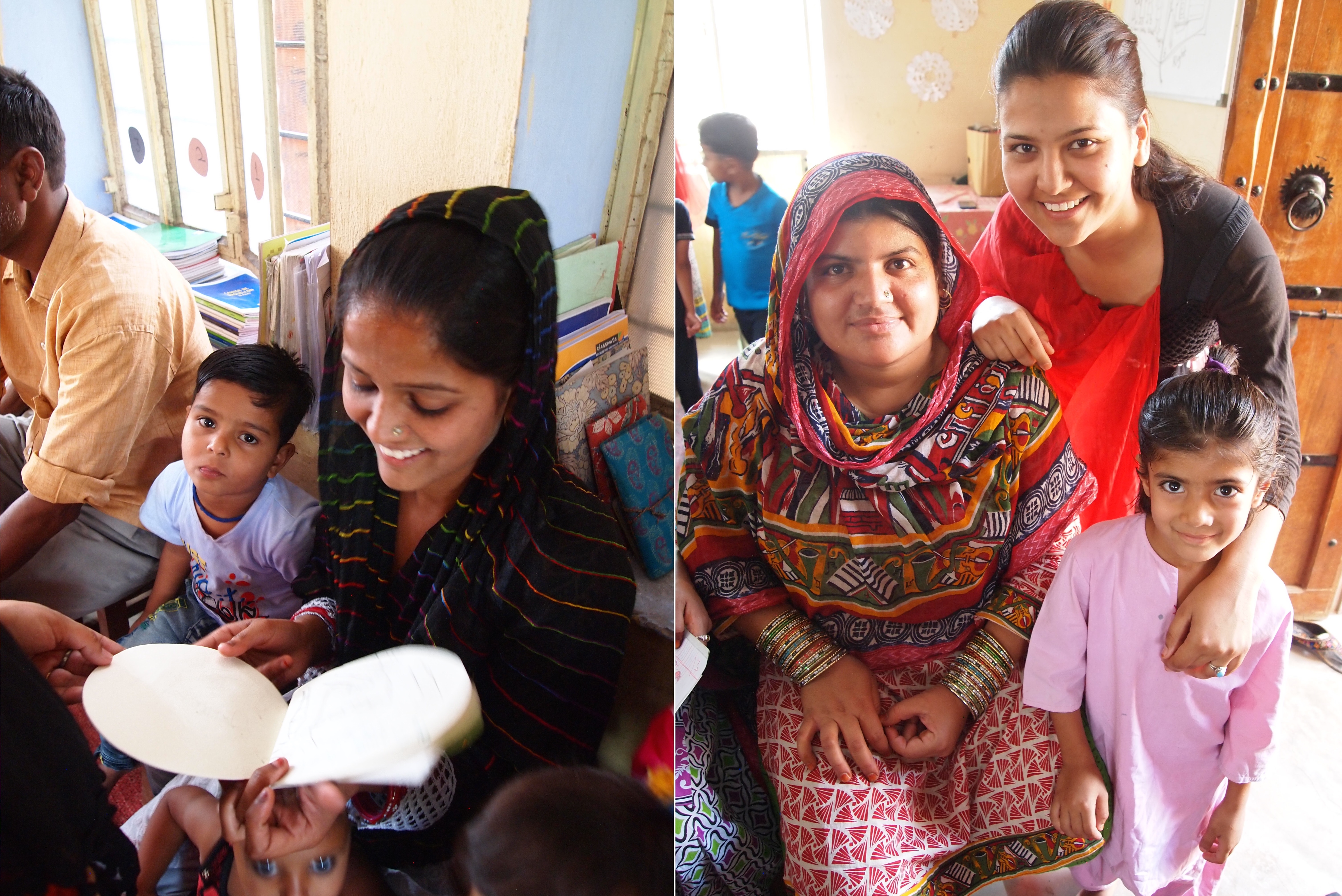
On the final day of the project, we celebrated their work with a party inviting their families to join. We created a display exhibiting each book, one after the other, so that students and parents were able to walk around the classroom and admire the each student’s unique book. For each class, we had two student presenters read their books aloud. Koshik, the oldest student in the class, presented his book in front of his fellow classmates, mother and brother. He began reading, hesitantly at first; then, as he continued, he became more and more confident finishing his sentences with an exclamation point! When he completed his presentation, the students and family members clapped and cheered. With a twinkle in his eye, Koshik sat down and shyly smiled to himself and his mother, who smiled back at him with pride and squeezed her son’s shoulder with subtle approval. It was a day to remember.


The Book of Me project brought the Tushita Foundation into the homes of the families and vice versa. We plan to continue the project every year, so that the children can chronicle each chapter of their time with us. I can’t wait to see what they accomplish next year with the project!

From the Mailbox


Over the years, Tushita Foundation has connected a diverse group of talented volunteers with our enthusiastic students living in Amber town, near Jaipur. The profound joy of children at the Foundation keeps us going, and an immersive exposure to Indian culture provides an unforgettable experience for our volunteers.

Every now and then, we receive messages that make our day brighter and motivate us to expand our initiatives in providing enriching learning to underprivileged children. We are proud to publish here a list of emails that we have received from volunteers and universities to whom we have recommended them.


Date: June 17th 2016
Addressed To: Mrs. Rosenda Meer (Founder of Tushita Foundation)

From: Geetika Mehra


Hello!

I hope you’re doing well and having a great start to the summer. I just wanted to drop you a line to say hi, and also to update you on where I will be heading for school in the fall. I was in the lucky position of choosing among several really appealing programs, but ultimately decided to return to Harvard for medical school. Hopefully this goes without saying, but the fact that I had the luxury of choosing among great options is thanks in no small part to your letter of recommendation and my formative experience with the Tushita Foundation more broadly. I continue to be so grateful to you for your mentorship, and for the opportunity to learn as much as I did while at the Foundation. 


Again, I hope you, your family, and everyone at the Foundation are all doing well. I really can’t thank you enough for your support in taking this next step in my career. I hope our paths cross again soon.


Date: May 3rd 2016
Addressed To: Mrs. Rosenda Meer (Founder of Tushita Foundation)

From: Rowan Saint Clair


I can’t express how happy I was walking back from the post office moments ago. I thought I was picking up a textbook, and I open the parcel to see beautiful Arshi covered in pink powder! 

The book is gorgeous. Wonderful. It seems so perfect and special to be receiving the book this time of year. It was around this time I was in contact with you just getting ready to brace myself for India and her powers. 

Here a few pictures that will help you get a feel for my New York springtime. I miss you lots, how are you and your projects?


Date: April 25th 2016
Addressed To: Mrs. Rosenda Meer (Founder of Tushita Foundation)

From: Alex Murray


As the one year anniversary of my Indian departure approaches, my thoughts continue to drift back to the times we spent together. Before writing any further, I must convey my continuing gratitude for the opportunities you provided me, the lessons you taught me, and the love you shared with me. You will always remain one of the remarkable people that shaped my life.


In this time, I also had the pleasure of a brief visit from Aurélien. Being with him, even for such a short period of time, had a way of breathing life back into my hopes and dreams. I hope you too will see him again soon.


The book that he provided me is absolutely fantastic. I couldn’t be more proud of the hard work everyone with the Foundation put into its success. Regarding the Foundation, I’m very curious to hear your personal sentiments. I know how dear to you the activities in Amer are. I hope Jan sir is sharing in all of those joys.


I’ve ranted for quite some time and realize that not everything can be said within one email. I plan on writing Veenaji immediately after sending this to you, so we’ll have to save family affairs in Jaipur for a later date.

I miss you, Rosenda ma’m. I wish all the best for you and everyone who touches your life.


Date: April 26th 2016
Addressed To: Mrs. Rosenda Meer (Founder of Tushita Foundation)
From: William Etheridge


Thank you Rosenda.

It is hard for me to fully express how much my experience as a volunteer has changed the trajectory of my life. The Tushita foundation will always live in my heart.

There is a house
Where love is alive
Awoken
By laughing children


Date: February 1st 2016
Addressed To: Mrs. Rosenda Meer (Founder of Tushita Foundation)
From: Alyson Beveridge


Hi Rosenda,

I’m so glad to hear I’m welcome back from you. I apologize for the delay in my response. I have been traveling with my choir in South Africa and have had horrendous wifi. I’m back in the US now. I would definitely love to come back to the foundation for three months. I am not 100% sure what my plans for next year will be. I will go ahead and ask for the funding from my church and keep you updated on whether or not I receive the money to buy a ticket. My ideal scenario would be to come and work at the Foundation for some time before beginning my next chapter in life. 


I wanted to thank you so much for all of your help with the letter of recommendation for PIA and let you know I’ve been given a couple interviews. I will know in March if they can offer me a job. One of the options I will be pursuing is volunteering with the American Indian Foundation. I put you down as a reference for this which involves filling out a short questionnaire. I know how exceptionally busy you are, if you receive an email from them and you have a free moment, I would so greatly appreciate it if you would fill out the questionnaire they send you. If you do not have time to do so I completely understand. I so appreciate the very kind letter that you wrote for me earlier this year. 


My experience at the Tushita Foundation inspired me to apply to the American India Foundation. India speaks to a deeper part of me. I hope to continue working with people from a different cultural background than my own. Understanding and appreciation for things that our different will build greater harmony in our world.


Date: December 18th 2015
Addressed To: Mr. Federico Di Puma (Volunteer at Tushita Foundation)
From: Amy L. Scoville-Weaver


Hi Federico,

Thank you for your response! I can hardly wait to read it! (Everything is Pink in My Garden, the book about the Tushita Foundation published by Roli Books)

Yes, shipping can be difficult. Do let me know! 


I look back so fondly on my time as a Tushita volunteer. I am returning to the States after spending the past year and a half in London. Does the Foundation need anything in particular that I can send? Books, journals, etc? I haven’t written in way too long and would love to give something back to the children and my friends there!


Date: December 9th 2015
Addressed To: Mrs. Rosenda Meer (Founder of Tushita Foundation)
From: University of Chicago

Dear Mrs. Meer,

Aurelien Bellucci is applying for admission to the Humanities Division at the University of Chicago and has requested that you write a letter of recommendation on his/her behalf. In an effort to make this process as easy as possible for you, we offer the ability to complete your recommendation online through our secure website. To submit your recommendation, please visit the following website….


Date: December 9th 2015
Addressed To: Mrs. Rosenda Meer (Founder of Tushita Foundation)
From: Stanford University

Dear Mrs. Meer,

AURELIEN BELLUCCI is applying for admission to graduate study at Stanford University and has chosen you to provide a letter of reference.

This applicant has waived the right to view your recommendation.


Date: December 7th 2015
Addressed To: Mrs. Rosenda Meer (Founder of Tushita Foundation)
From: Harvard University

Dear ROSENDA MEER,

Thank you for submitting a recommendation on behalf of Aurelien Bellucci‘s application to the Graduate School of Arts and Sciences at Harvard University.


Date: May 31st 2014
Addressed To: Mrs. St Clair (Volunteer at Tushita Foundation)
From: Geetika Mehra


Dear Mrs. St Clair, 

I volunteered with the Tushita Foundation from January to April of 2013 after graduating from college in the US. As a young woman traveling alone in India, my parents and I were also primarily concerned with health and safety, so I can understand your desire for more specifics. 


The apartment provided by the Tushita Foundation was comfortable and there is (wonderful) staff that provides meals and cleans. It is located in what I found to be a rather safe area of Jaipur, close to the seat of government, Civil Lines. The apartment is also located above the travel agency offices of Tushita Travels, and the individuals working there were always very helpful if we ever wanted to book train tickets for visiting other places (the Taj Mahal in Agra, for example). Transportation in a private car is also provided from the apartment to the foundation building daily. The couple that directly supervises the volunteers in Jaipur take care to ensure safety and comfort and often welcomed us into their home and treated us like family. 


In terms of actual duties, my routine was typically to wake up in the morning and do yoga with a teacher provided by the foundation. At about 11, we would drive to the foundation and teach 4 classes: one for the village teachers working at the foundation, and then 3 different batches of children. I found the teachers and children very welcoming, kind, and understanding. We would head home at about 6, have dinner, and relax in the evening.


Of course, as I’m sure you know, I felt it was important to be cautious regardless of how safe I felt. I chose not to stay out late at night (past 11 or so) and always went out with my co-volunteer when possible. 


I was at the Tushita Foundation for 3-4 months, but was in India for one year and volunteered at several other organizations. The accommodations and support provided by the Tushita Foundation were certainly the most comfortable and safe that I experienced. 

I hope this helps provide some context, but please feel free to be in touch if you have any other specific questions that I have not answered here.


Date: September 11th 2012
Addressed To: Mrs. Veena Rathore (Founder of Tushita Foundation)
From: Anthony Emorine


Dear Veena,

Thank you for your very kind email. 

It was a pleasure to work at the Foundation. As we put in the album we gave you, we were very happy to work with you two. You are two smart and very competent people, so it was easy for us to do our job.


Back in France, things are less impressive than in Jaipur : the colours are not as bright, and the feelings not as intense. I miss you, I miss the teachers, and I miss the kids. But it’s going to be alright : I hope we keep in touch, and I hope you keep us posted about the news of the Foundation!


Date: September 2nd 2012
Addressed To: All members of Tushita Foundation
From: Phelbé Pace


Dear all,

It is hard for me to think that this message is the conclusion of this two-month Indian journey. Although every single experience has an end, it would be hard tomorrow to say goodbye to the Foundation, its kids, teachers and founders. Today, I feel blessed to have had the opportunity to devote myself to this project for two months and to have participated to its promising development, which all of you had been taking on for a good time.


As I wish the Foundation keeps growing in the near future to help more and more children get education and be happy, here are the recommendations I’d like to share with you, based on my experience as “music teacher”:

  • Number of volunteers – to me, three volunteers is the ideal number. Four would be too much and two, too less. In my opinion, Anthony, Cleo and I have benefitted a lot from this configuration, especially when a situation got blocked. For example, when the two of us couldn’t a find solution to any problem or an idea to move on with our projects, we usually got it from the third one.
  • Time spent at the foundation – I have to agree with Cleo and Anthony: two months are quite short. However, the purpose of this adventure was to work for the Foundation as volunteers, not as teachers and it is difficult for me to imagine that a volunteer project could last six months. Maybe, the stay of the next-year volunteers could be extended to three months maximum, which would definitely give them more time to make adjustments in their programs if need be and prepare their final project.


  • Week Schedule – if three volunteers come to the Foundation next year, I can’t think of another way to optimize the time they will spend with each class during the week. On this matter, I disagree with Cleo and Anthony: I believe it would be a shame that volunteers spend less time with the kiddos. Despite of their very young age, I was surprised by their potential (in mathematics notably !) and I felt that they were more receptive to a way of teaching based on visuals, actions and games. Thus, next-year volunteers should be aware that teaching to the kiddos is very different to the rest of the kids at the foundation.


  • Music class – It would be hard for me to draw a simple and single conclusion about the music class I gave to the kids. Overall, I felt that all of them were happy to sing and learn English songs. I also felt that they were easily getting curious about music instruments, their sound and western music in general. On a personal note, it also revealed to me how much I wanted to improve my skills in music to be able to share many more musical moments with people! To give tips to the next year volunteers, I should nonetheless focus on the difficulties I was confronted with during the two months. The first one was the choice of the song. The Foundation kids are used to working on English vocabulary, not so much on grammar. As a consequence, they don’t know how to make sentences and read a full text in English (which is a different alphabet than their own besides). Because of that, the songs that the next year volunteer should suggest to them must be very easy. The point of making them sing is to make them have fun, improve their diction and get them more familiar with the western music. I felt at some point that I was wasting the time I had at my disposal with the middle-aged children by teaching them a song that was too difficult for them. The solution I found was to make them sing the chorus only and simplify the lyrics. They eventually did it very well! Also, I would recommend the Foundation to find a volunteer that has a real music background. I’m not sure for example that I managed to help the children sing on the right pitch. I worked with them on rhythm and English but not so much on “singing skills”. That’s why it would definitely be a plus for them if they had someone specialized in music to give them insights about it. Finally, whatever the program of the next-year volunteer will be, I feel that he should always link the activities he will do with the kids with grammar practice. For example, during the first half-hour of the class, he could teach the children about a famous singer/band and then, make them write some sentences about what they have learned together. The last half-hour should be dedicated to songs practice. It’s more or less what I have done with the old kids and it worked well.


  • Teachers: All of them have something special and I was very glad to have them all by my side during these two months. Their level of dedication is huge and their eagerness to teach and give to the children is really strong. Given their potential, I felt that it would be awesome for them to follow training formation in teaching and in English so that they could move on with new ideas, new methods of teaching and a better comprehension of the English language and culture. Saying that, I don’t mean that their level of English and teaching revealed some room for improvement. I’m saying it rather because they expressed these concerns to me (e.g. Guita and Rukhsar). Helping the teachers have more confidence in themselves and feeding them with new ideas throughout the year is a very effective way to invest in the Foundation.


  • Foundation development : I am convinced that all of you are concerned about this point and I know you already have plans on this issue. I just wanted to let you know, from an “observer’s” point of view, that the main steps I would see important to make for the Foundation future would be the following: space, Internet and a pharmacy.


I’m sorry for not being very synthetic but there was so much to say and I could say even more about the amazing moments I had with these breathtaking kids, these talented teachers and all of you being so committed to the Foundation. I wish it will keep growing and amaze lucky strangers like us who will have the chance in the near future to know you and this wonderful project.


Rosenda, Jan, thank you for convincing me two months ago that it was not unreasonable to go to India at this period of my life.

Veenajee, Gajju Bana, thank you for making the time I had at the Foundation and in India one of the most enriching and pleasant journey I ever had in my life.

Cleo, Anthony, thank you for your support and everything you bring to this project. I learnt a lot with you.

May this foundation have a future as beautiful as the one it will surely give to the kids.


Date: July 30th 2012
Addressed To: Mrs. Rosenda Meer (Founder of Tushita Foundation)
From: Cléo Fatourechi


Dear Rosenda,

Thank you for caring so much about us. 

As you said, we are having a very good time with the children, and I think they are too.

Regarding our life in Jaipur, it is wonderful ! We go and visit every Sunday, falling in love with the beautiful pink city. And we have so many projects in mind, especially doing the numerous markets and bazaars. The visit of the Amber Fort was also very nice, and I learned so many things about maharajas. In addition, we benefit from Gajju Bana and Veenajee’s insights about Indian habits, tradition, behaviours, and that is very precious. Finally, I think it’s their generosity that makes this summer so special. They never stop taking care of us, and they made my birthday (last Thursday) a very beautiful day.


Thank you, dear Rosenda, for giving me the opportunity of knowing more of India in this way.

PS: I forgot to mention the food, which is, of course, amazingly delicious every day!


 Click here to see a list of all of our previous volunteers.

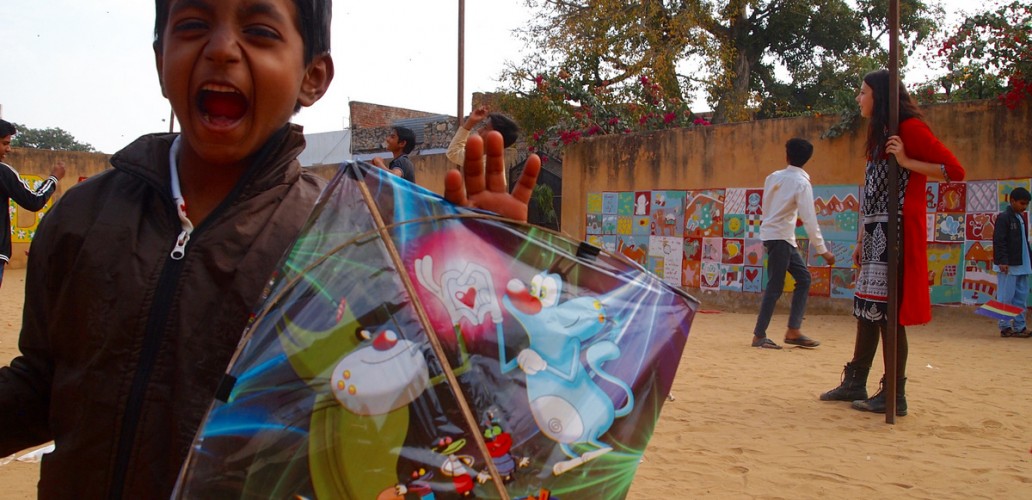
Makar Sankranti: The Kite Festival

By Anna Andriychuk


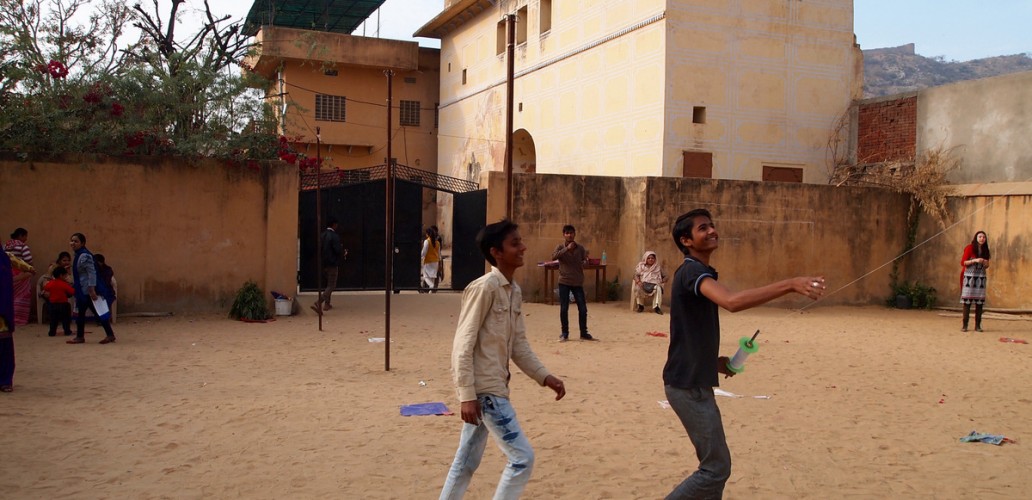
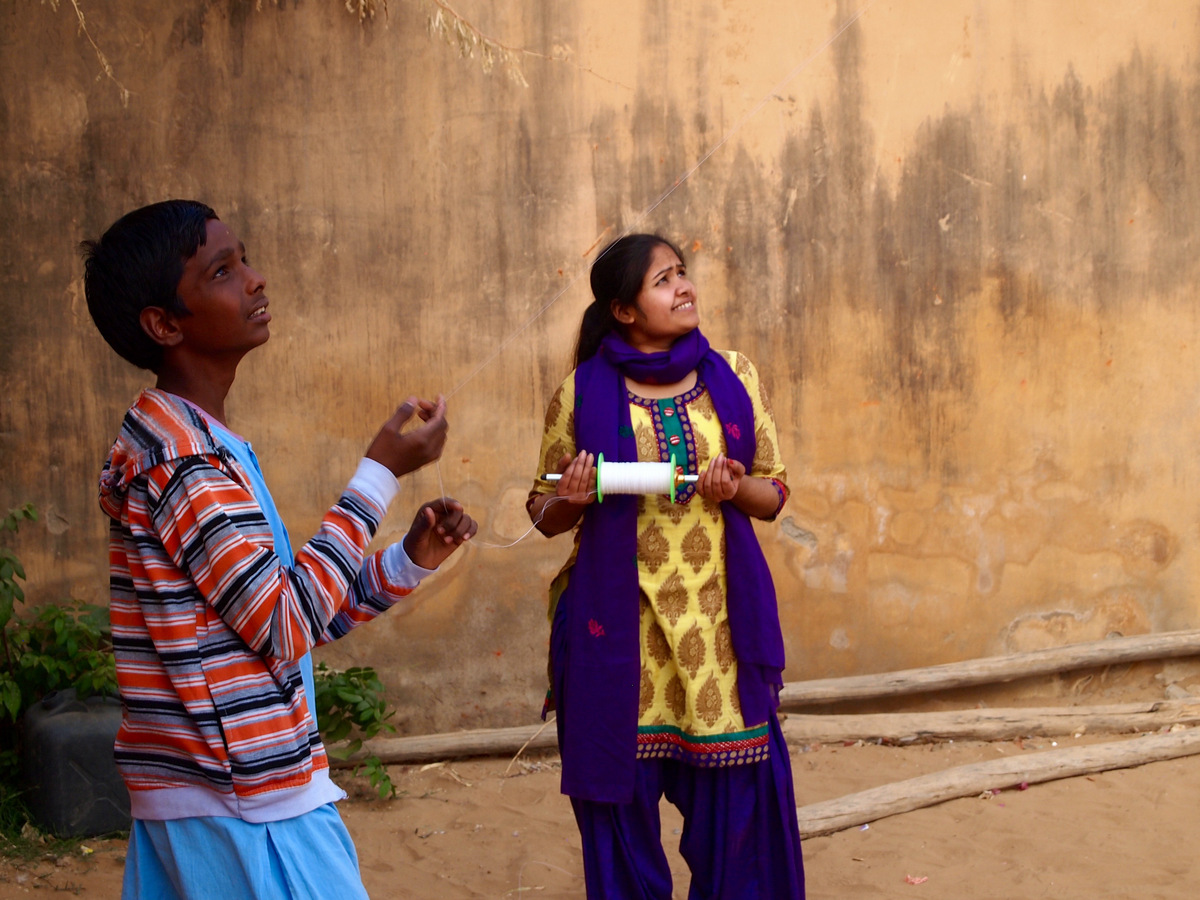
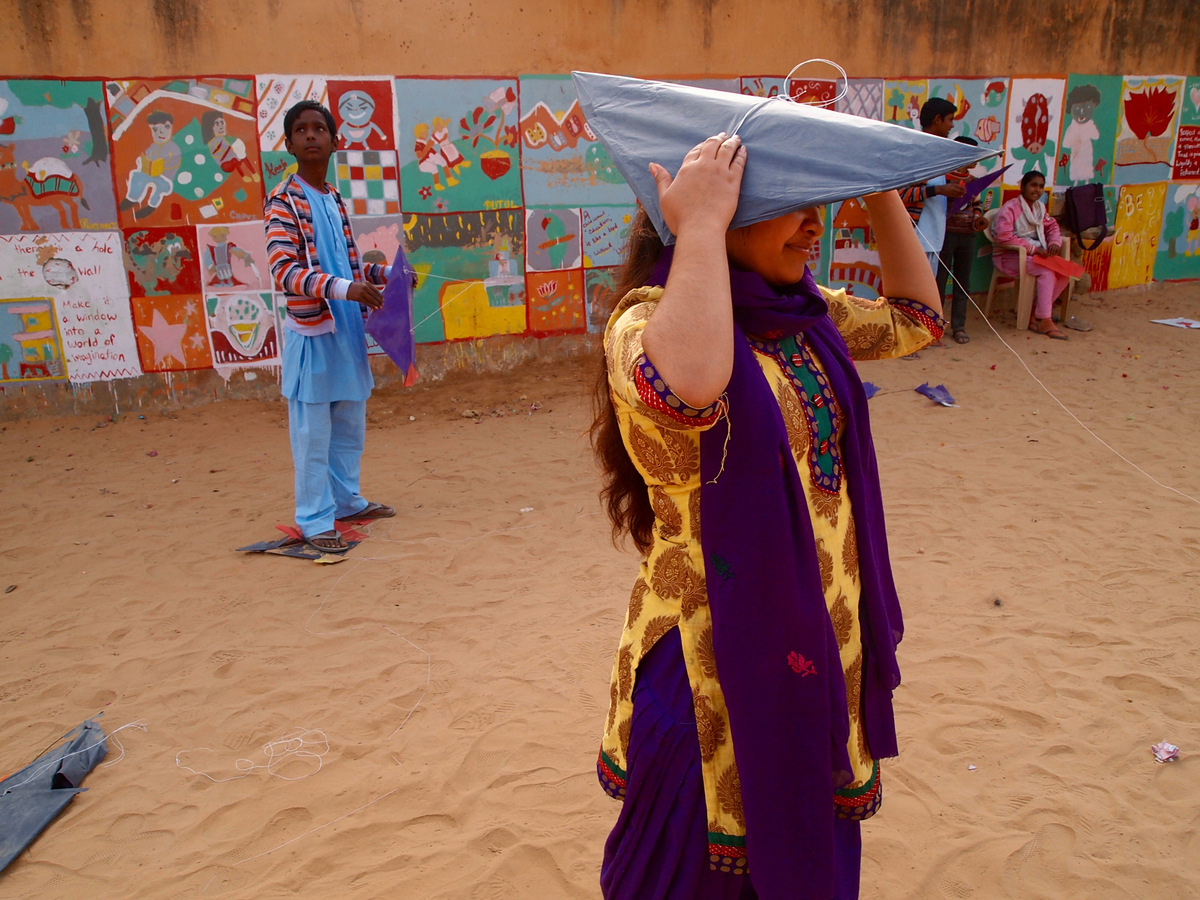
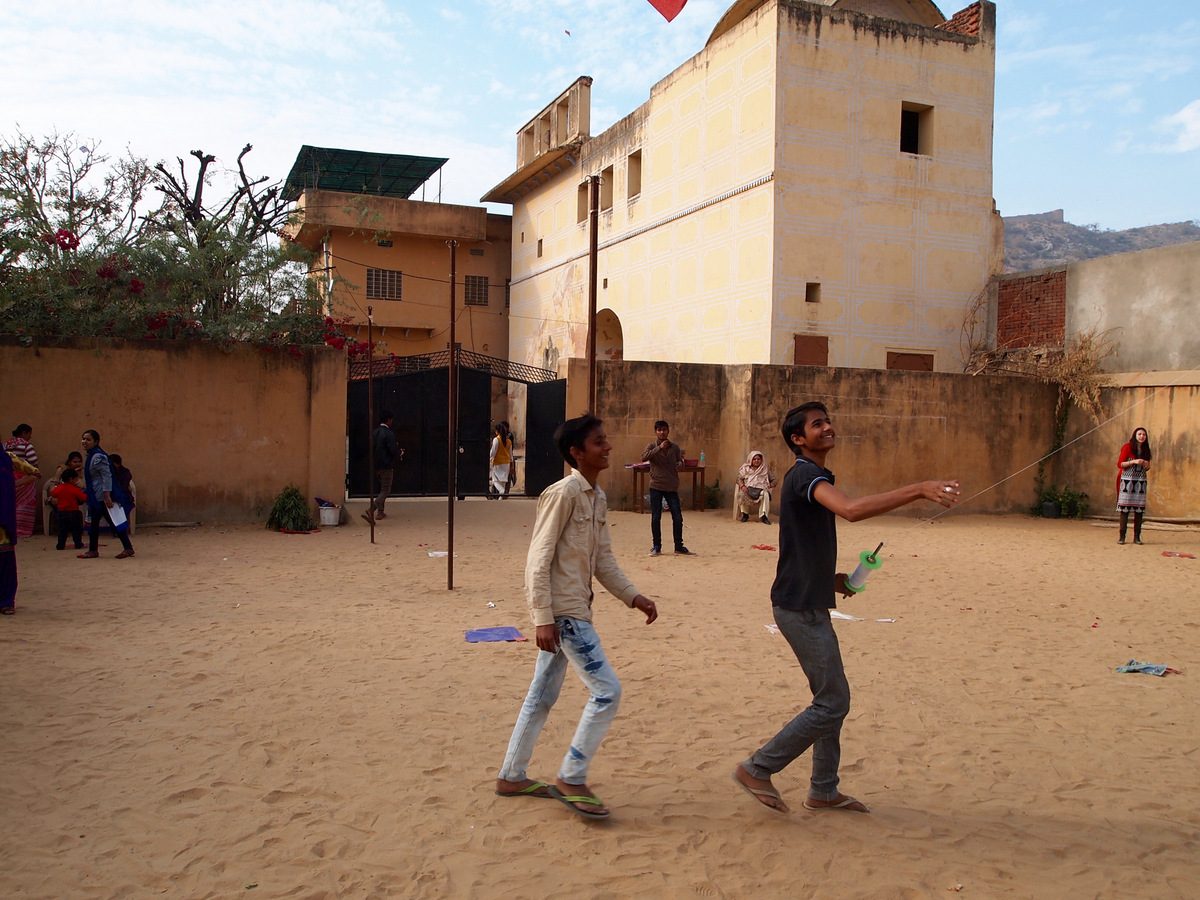
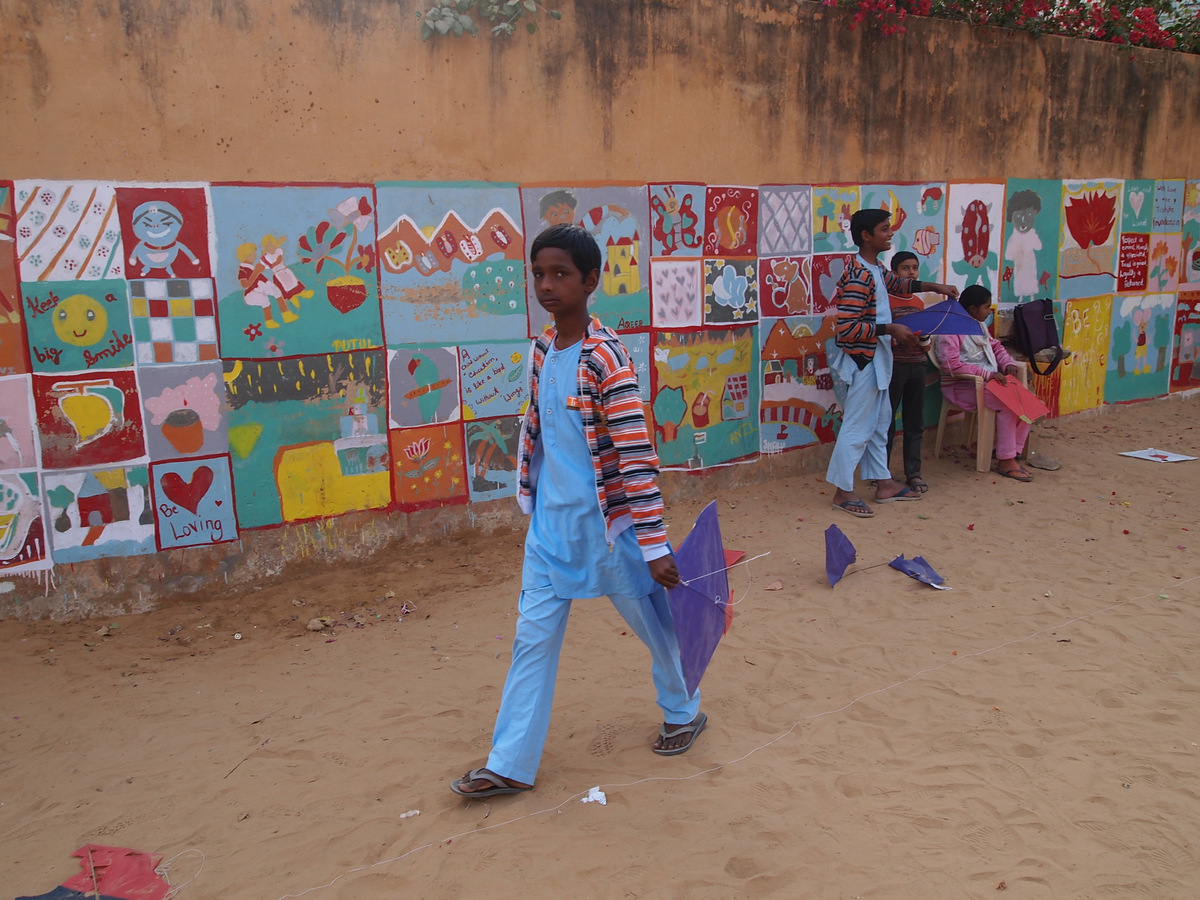
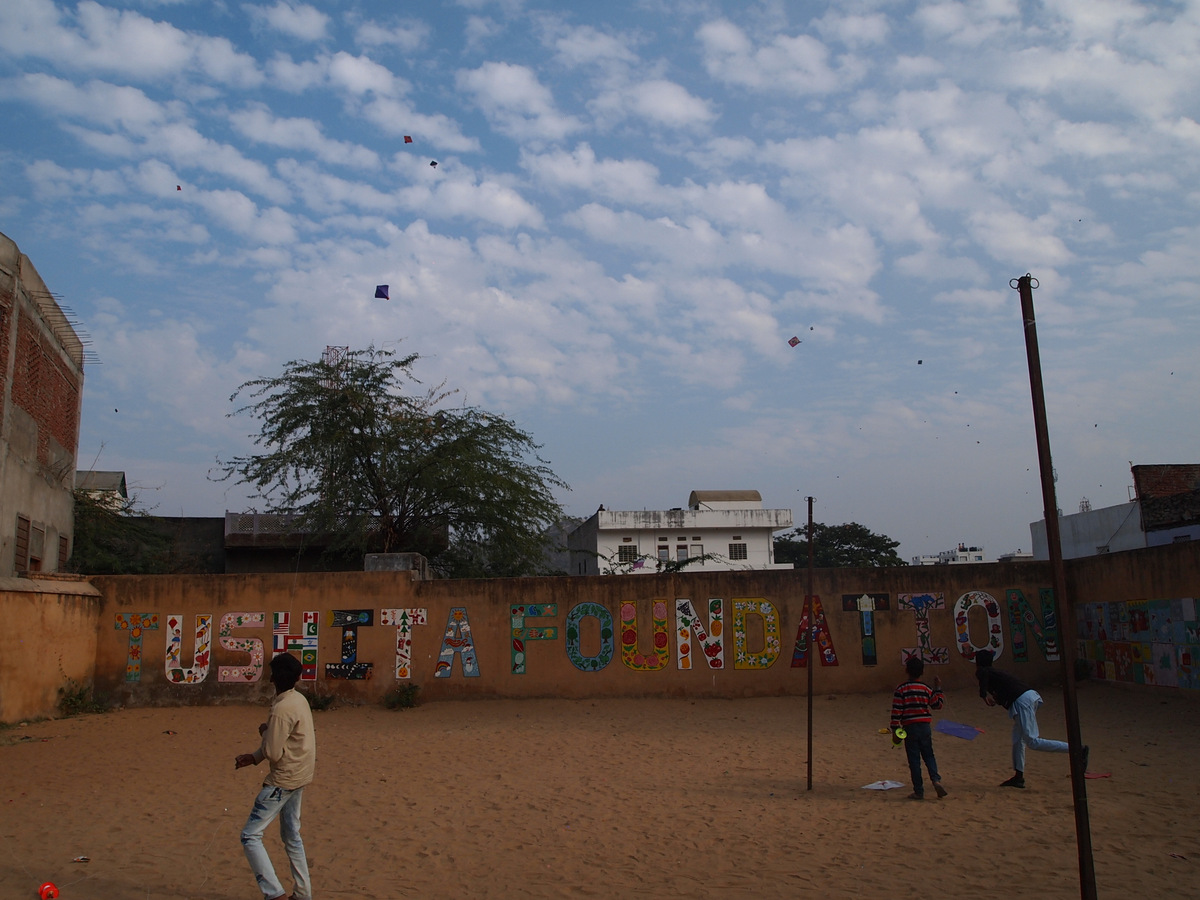
It was on a mid-December morning that I first noticed a change in my daily commute to the Tushita Foundation in Amer. Head resting against the passenger’s seat window, I stared listlessly outside, blind to the chaotic bustle that is Jaipur traffic. After three months in India, the deafening roar of rickshaws and motorcycles, the clamor and commotion of thousands of voices, and the monkeys scrambling from building to building were no longer the assault on my senses that they had once been. It had all become so familiar, so natural, that the slightest novelty immediately stood out. In the trees that lined the road to Amer, I noticed splashes of color in the otherwise drab, withering remnants of previously lush, green foliage. Kites. With each passing day, the familiar scenery continued to transform: kite shops popped up on every street corner, multicolored kites dotted the clear, azure sky, and the trees could no longer conceal their vibrant captives from even the most untrained eyes. Makar Sankranti, the Kite Festival, was approaching, and all were getting ready.


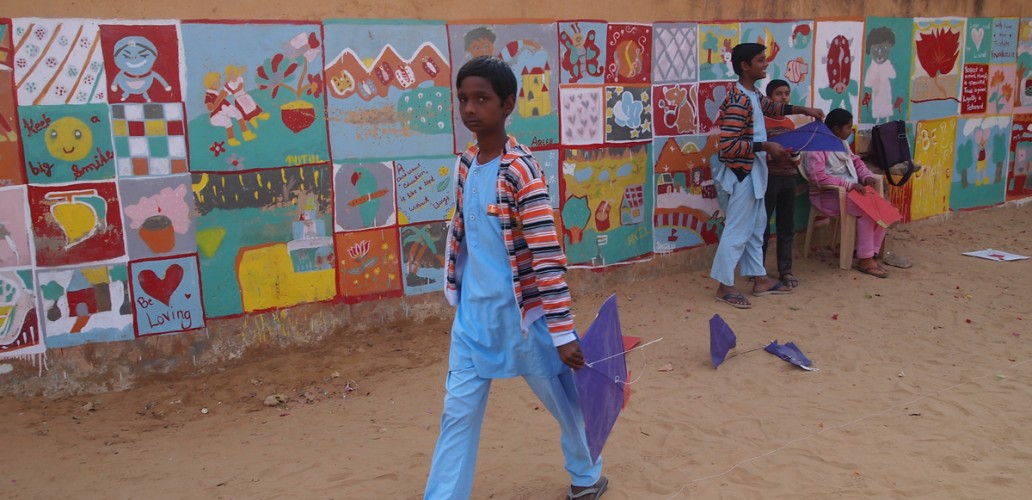
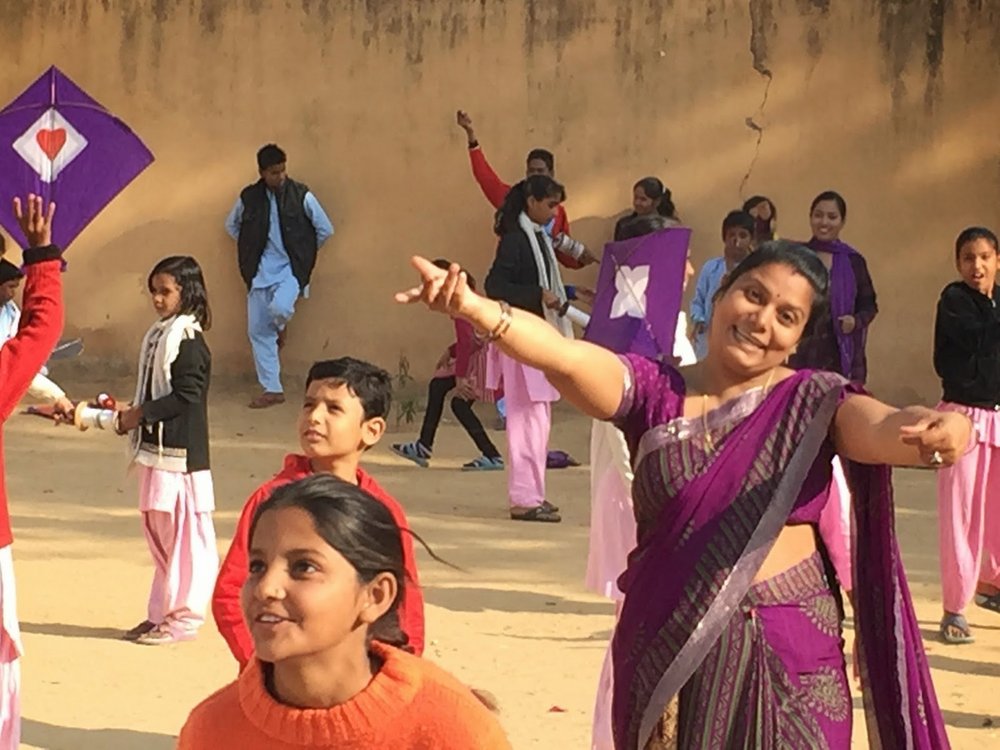
If you asked my students at the Foundation to name their favorite holiday, you could almost be forgiven for thinking that India only celebrates two festivals: Makar Sankranti and Holi. The revelry and playfulness of Holi are recognized around the world. Could Makar Sankranti, I thought, really hold a candle to the Festival of Colors? After experiencing first-hand the energy and fervor of Makar Sankranti, the shouts of joy and fits of laughter from children, teachers, and volunteers alike, I now understand the allure of this January day.


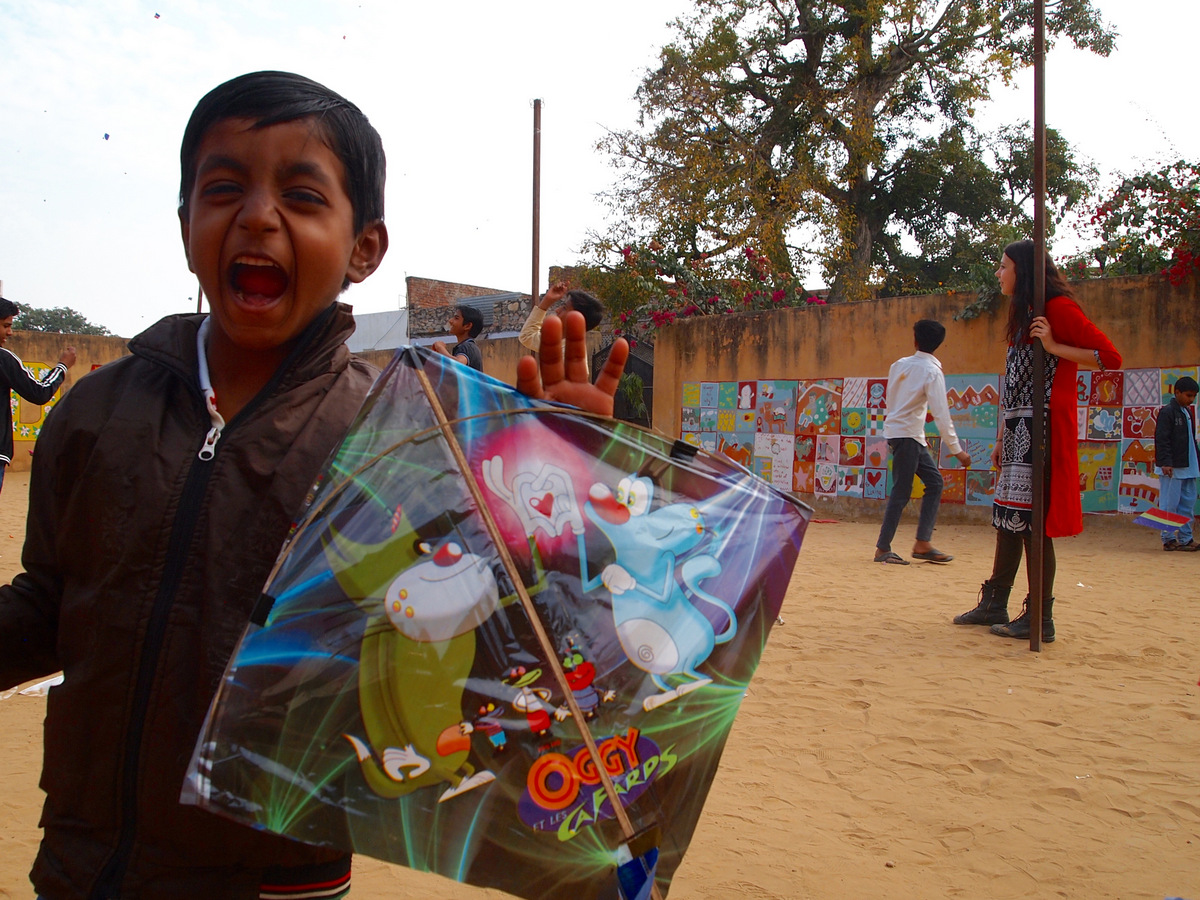
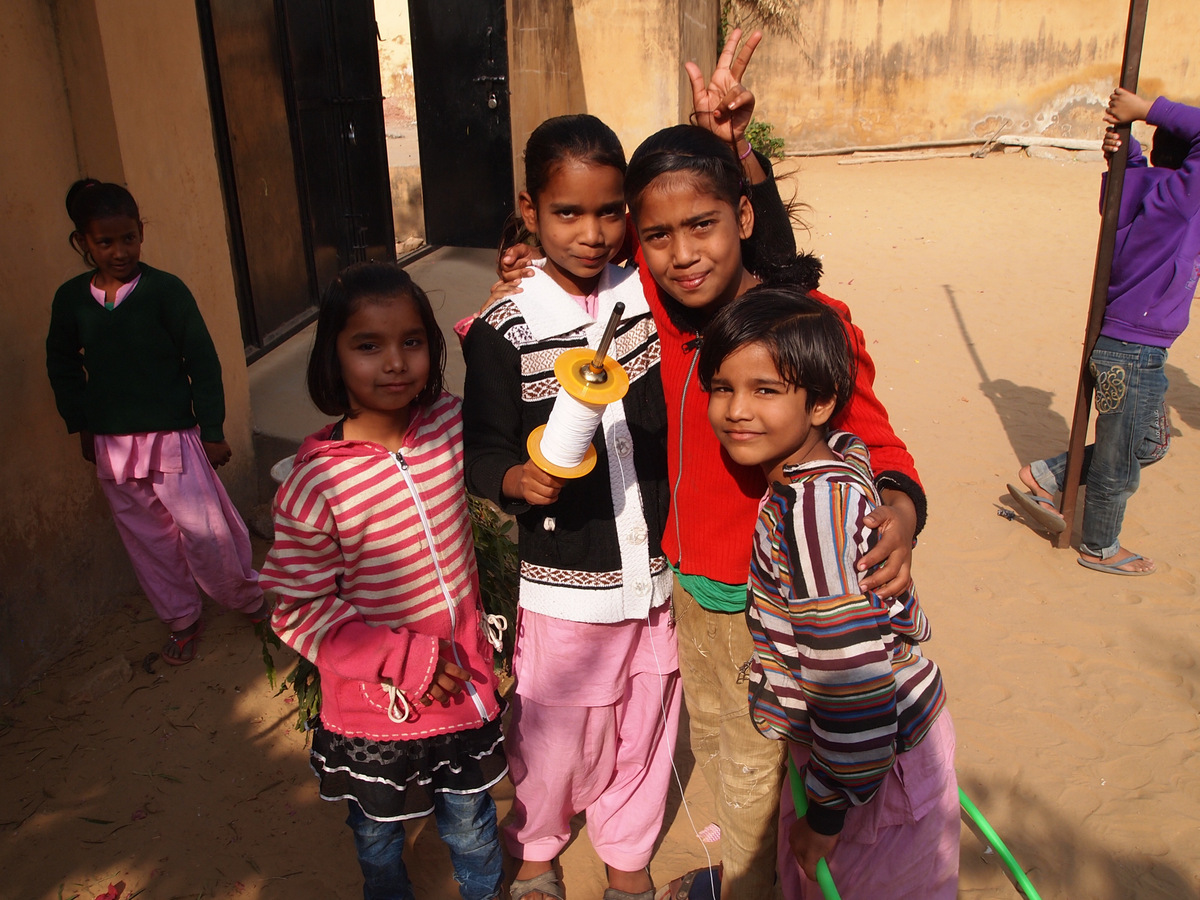
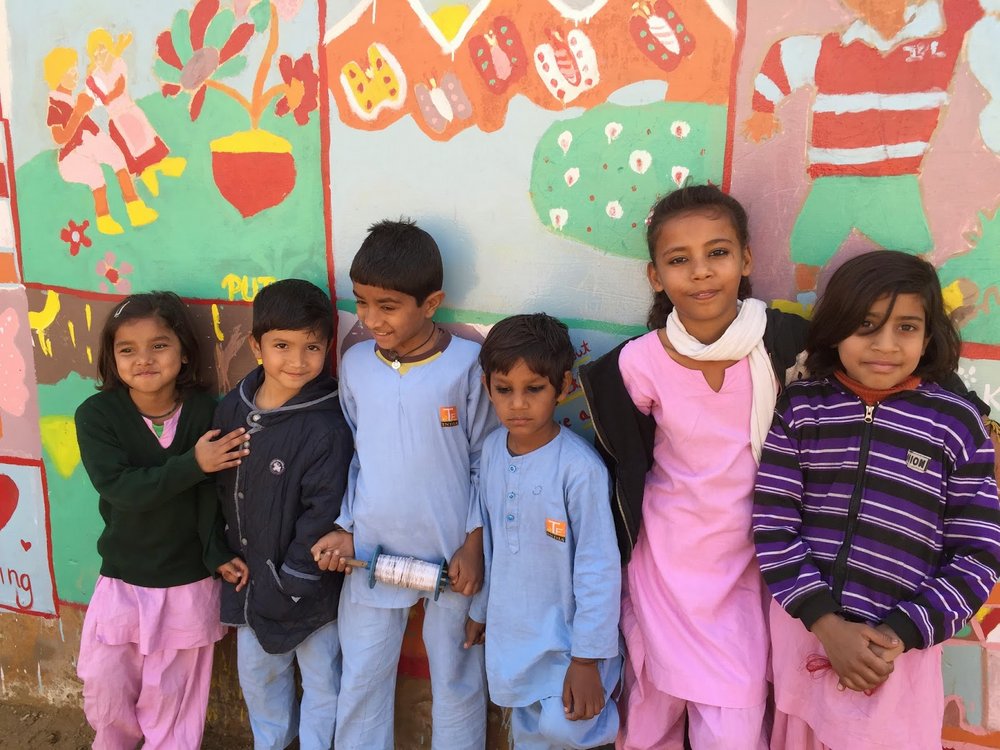
Makar Sankranti will always evoke memories of bright-eyed children and their kites. I will remember the kids’ grinning faces as their kites soar through the air; the looks of sheer focus and determination when they pinpoint a target to cut; the smirks and cheers when they succeed, and the frenzy that overcomes them when they spot a cut kite descending their way. And while these scenes of exhilaration and hilarity will always be a highlight of my time in India, there is much more to Makar Sankranti than just kites. The name itself conveys its astrological and religious significance: ‘Makar,’ means Capricorn, and ‘Sankranti,’ means transition. Makar Sankranti, celebrated on either the 14th or 15th of January, thus marks the transition of the Sun into the zodiac sign Capricorn, the day on which the Sun begins its entry into the Northern Hemisphere. It is an auspicious day devoted to the worship of Lord Surya, the Sun God, who on this occasion is believed to visit his estranged son, Lord Shani, the ruling Deity of Capricorn. This story of Father and Son, who put their bitterness for one another behind them, reveals yet another facet of Makar Sankranti. It is a day of forgiveness and new beginnings. It is a day to appreciate Nature and one another; to reflect and give thanks for all the blessings of the previous year.


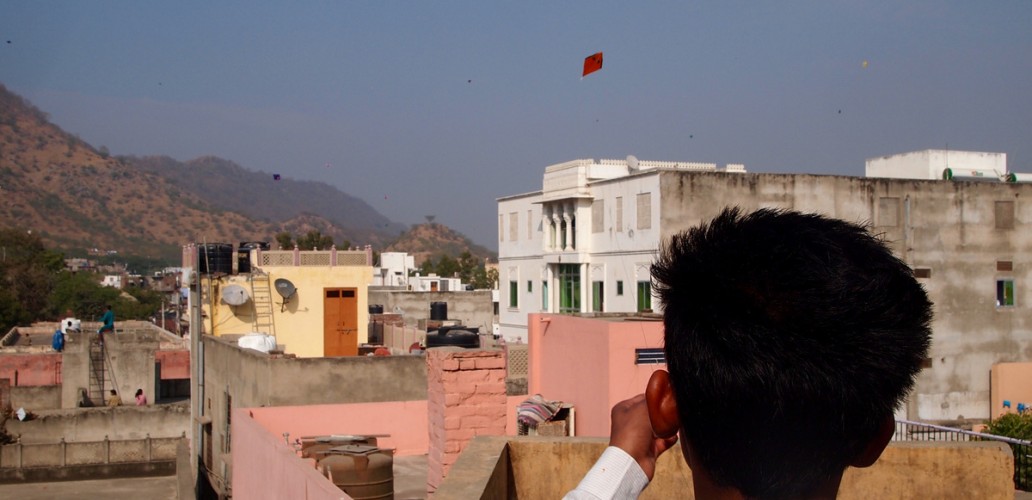
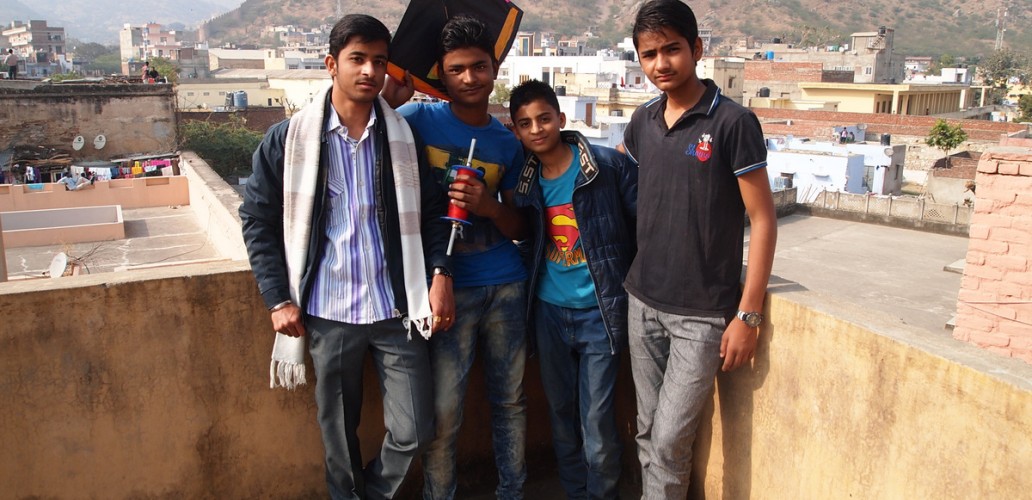
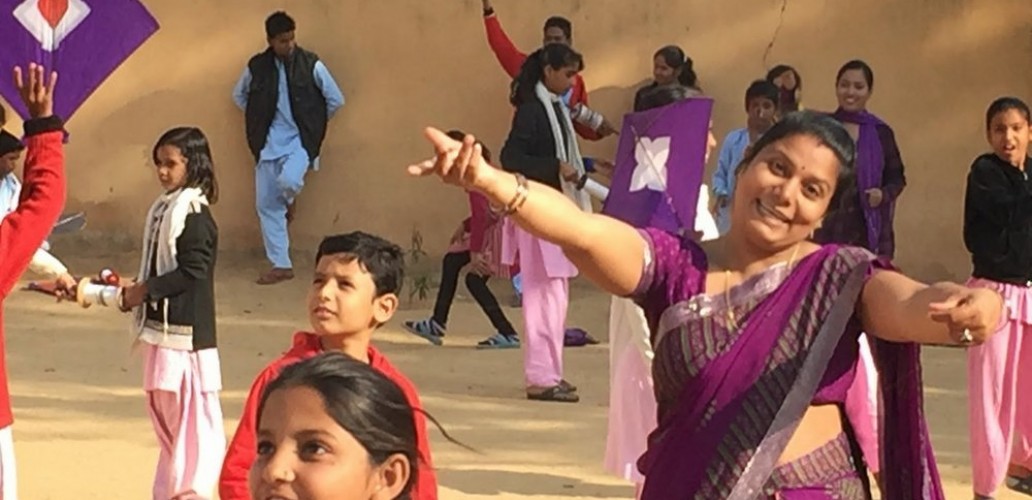
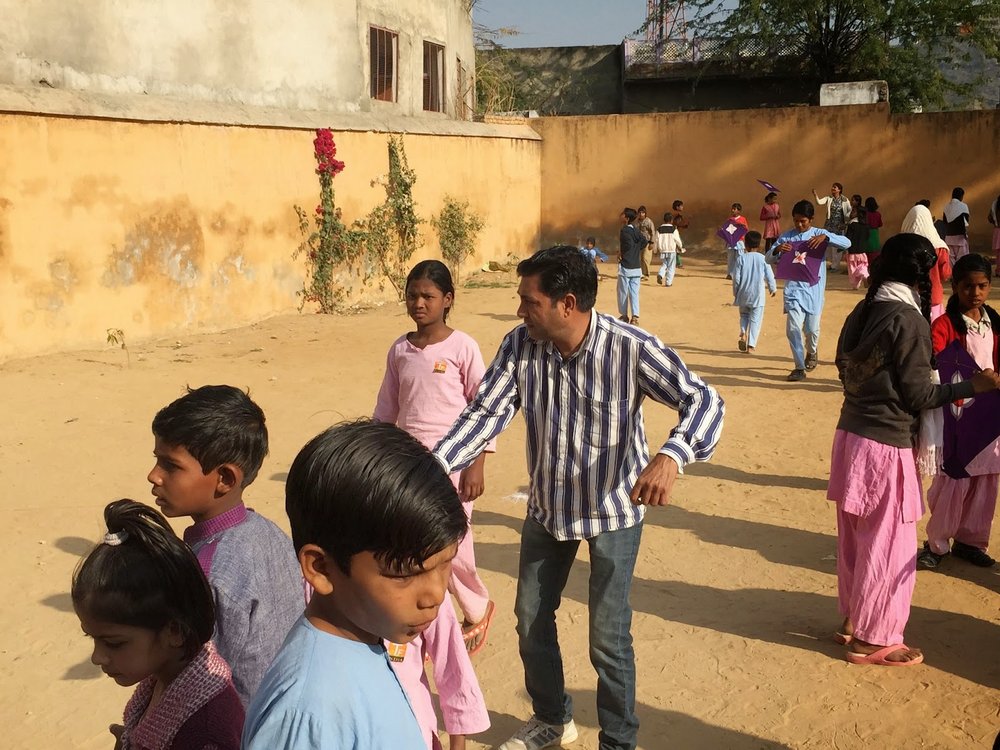
This year’s Makar Sankranti turned out to be a rare two-day event. It was as if the Universe knew that Caroline, Ferruccio, Will and I needed all of the extra kite-flying practice we could get. Our Makar Sankranti began in the morning hours of January 14, the day we would all celebrate together at the Foundation. Caroline and I decided to get a head-start on the festivities, so we hopped on a city bus, kite spools in hand, and arrived in Amer around 11 am, which was already bustling with noise and activity. After stopping at our neighborhood kite shop to buy yet another two dozen kites, we went off to Rahela’s home for our first round of kite-flying. When we arrived, we were met with an empty house and a crowded rooftop. Family, friends, and neighbors of all ages were already occupied with kite and thread. My eye was immediately drawn to an adult man who was waving around a gigantic tree branch, running from one side of the rooftop to the other, jumping sporadically. I stared, mesmerized, at his movements, trying to decipher them. It was only when I looked up a second or two later and saw a cut kite swaying nearby in the breeze that I realized what the branch actually was: a kite catching instrument. It was the first of many giant sticks that I would encounter that day. Caroline and I quickly threaded and tied our own kites, which were then adjusted by more experienced hands. We quickly got to work.


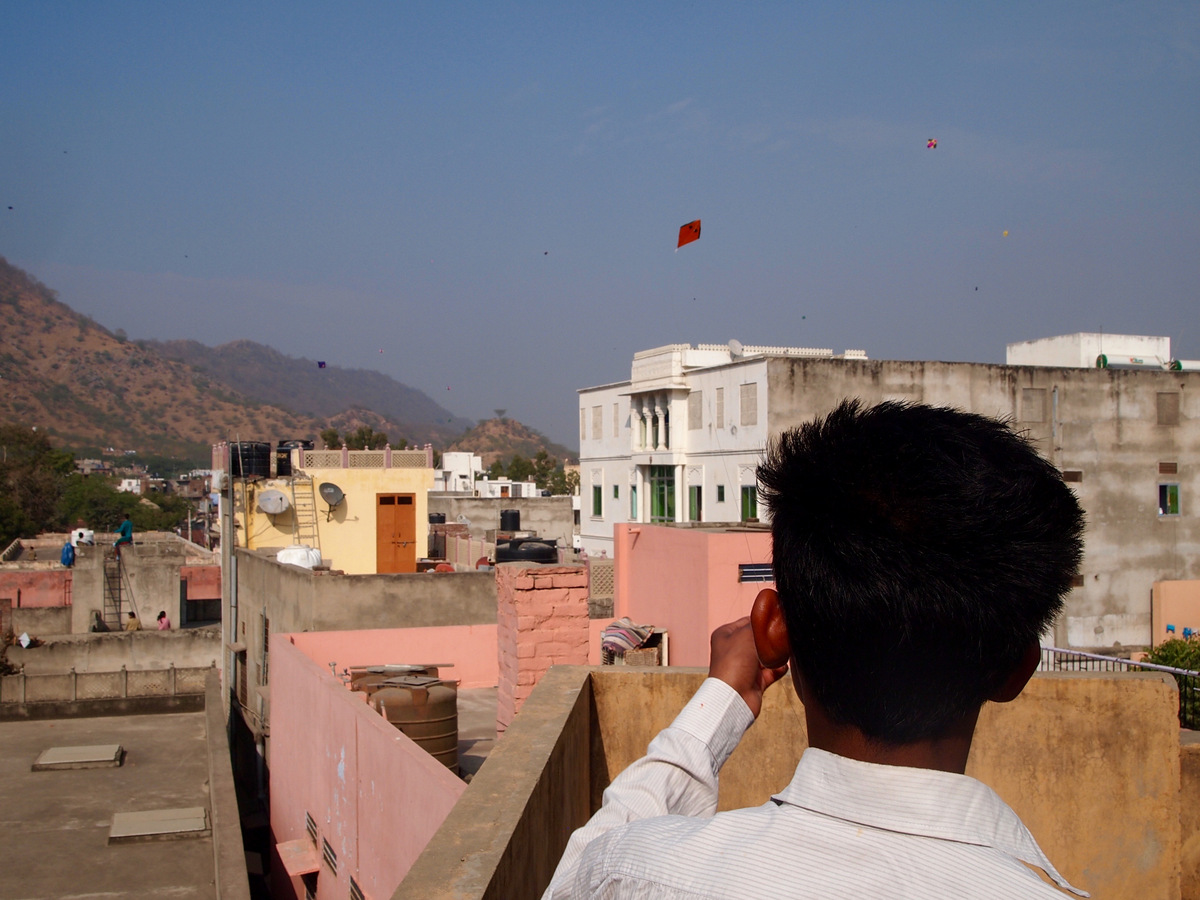
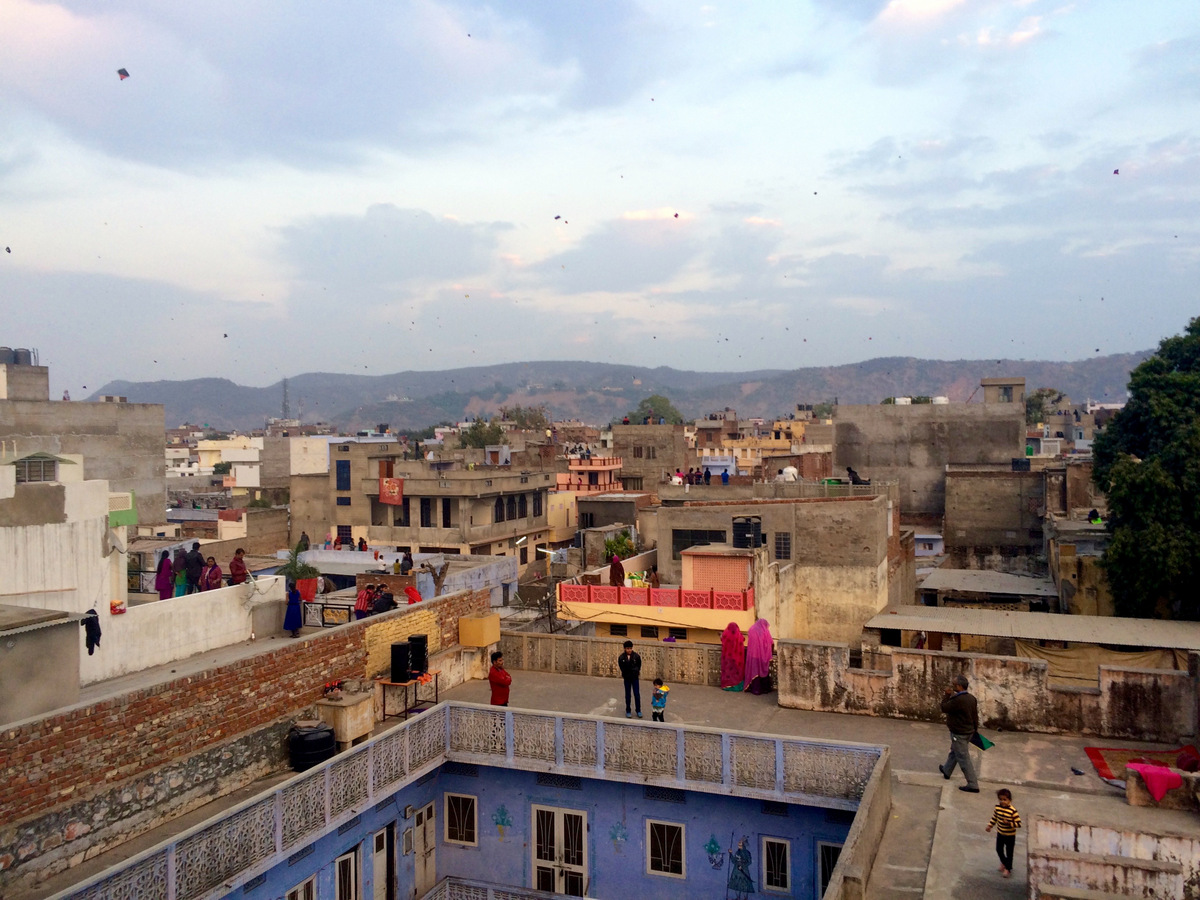
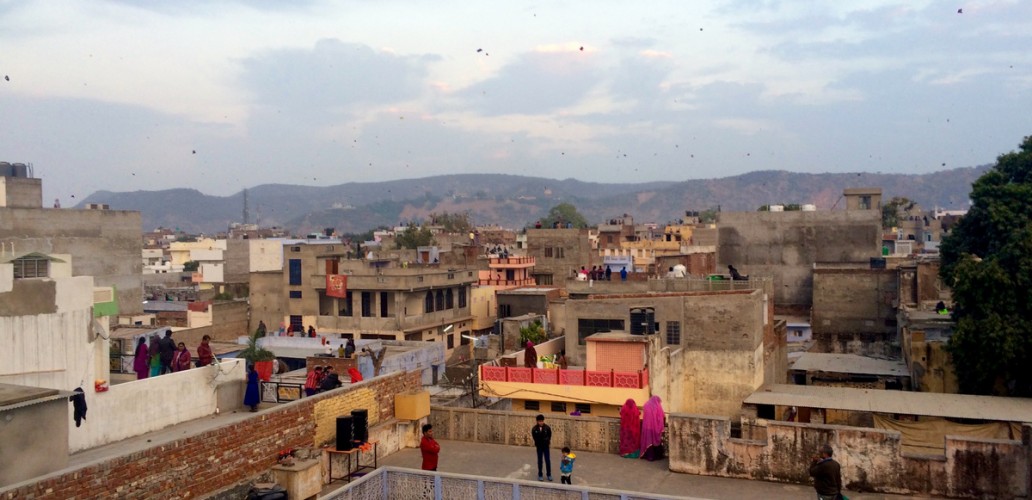
One of my favorite places to be in India is on a rooftop; no matter where I am, the view is incredible and the atmosphere is peaceful yet exhilarating. On Makar Sankranti, ‘incredible’ is an understatement. Standing on Rahela’s roof, the scenery around us took my breath away. The crisp, blue sky teemed with more kites than you could count, framed by Amer’s picturesque mountains. Every rooftop and terrace in sight was filled with families; excited shouts pierced the air, barely audible over the Bollywood hits blasting from all sides. Every so often, I heard a faraway shout that sounded unmistakably like “Anna-mam.” I spun around, scanning the neighboring houses until I spotted a waving hand in the distance. I recognized one of my students, flying a kite on his rooftop.


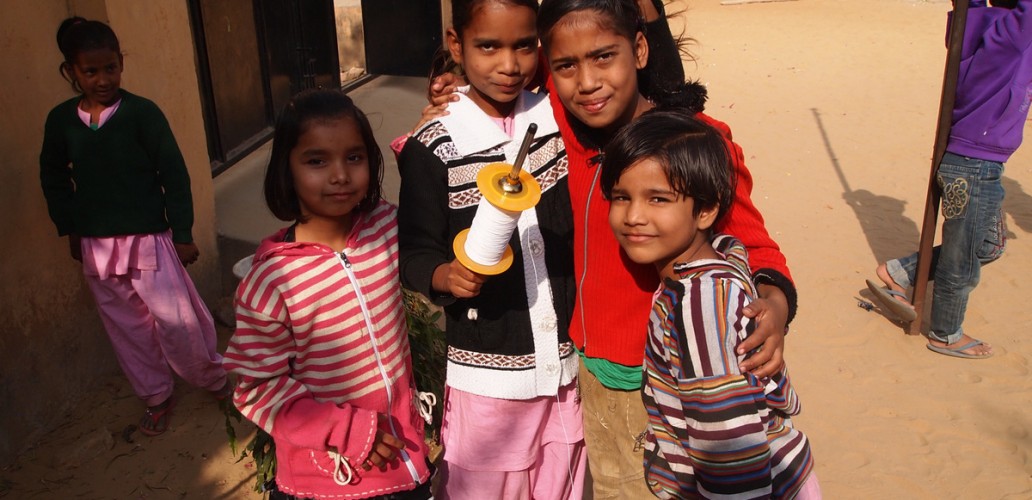
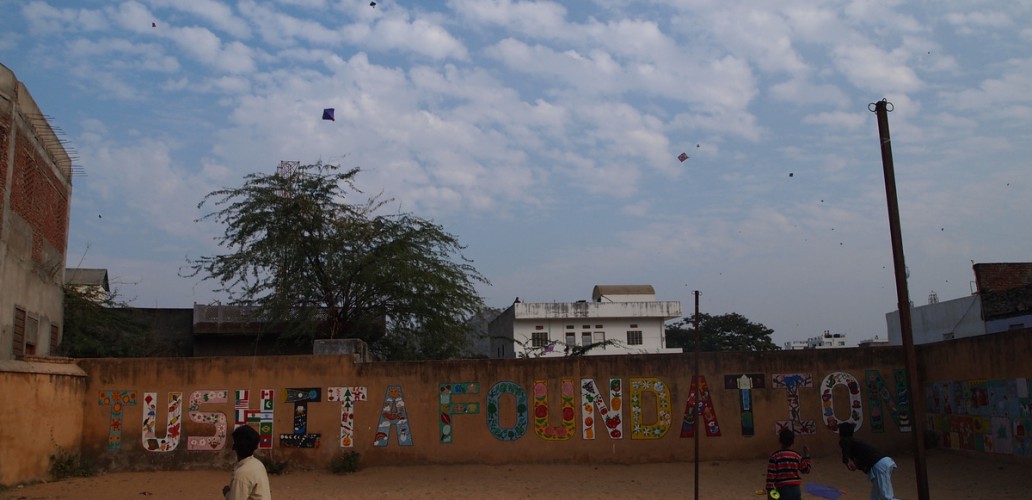
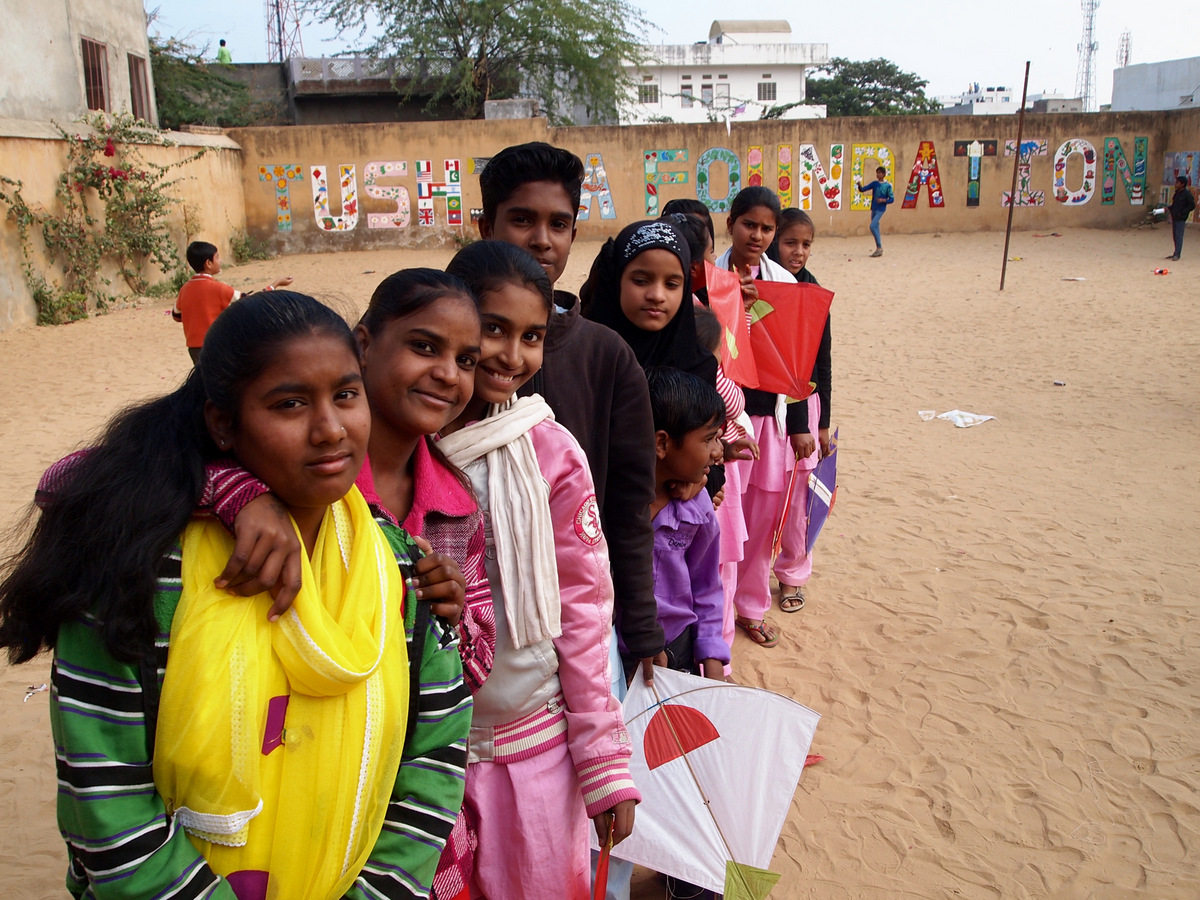
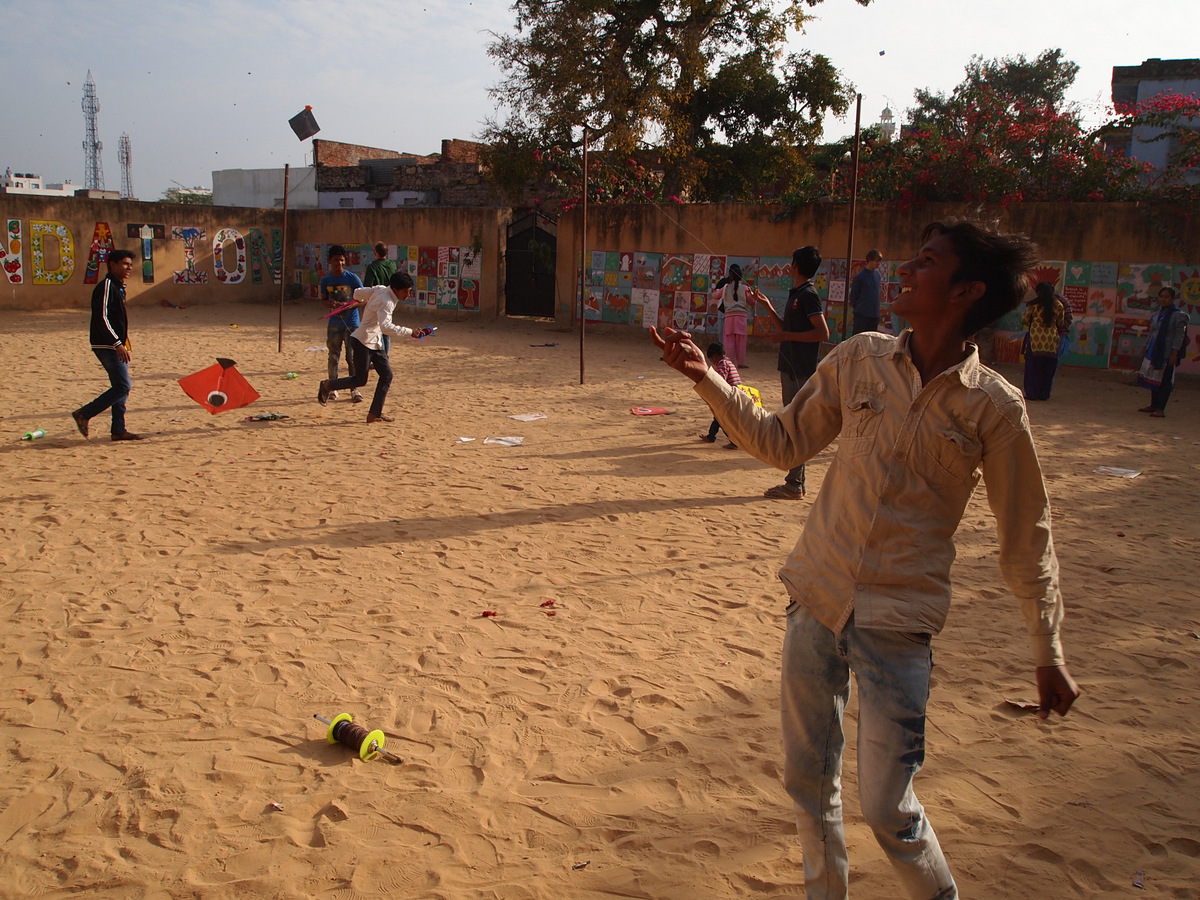
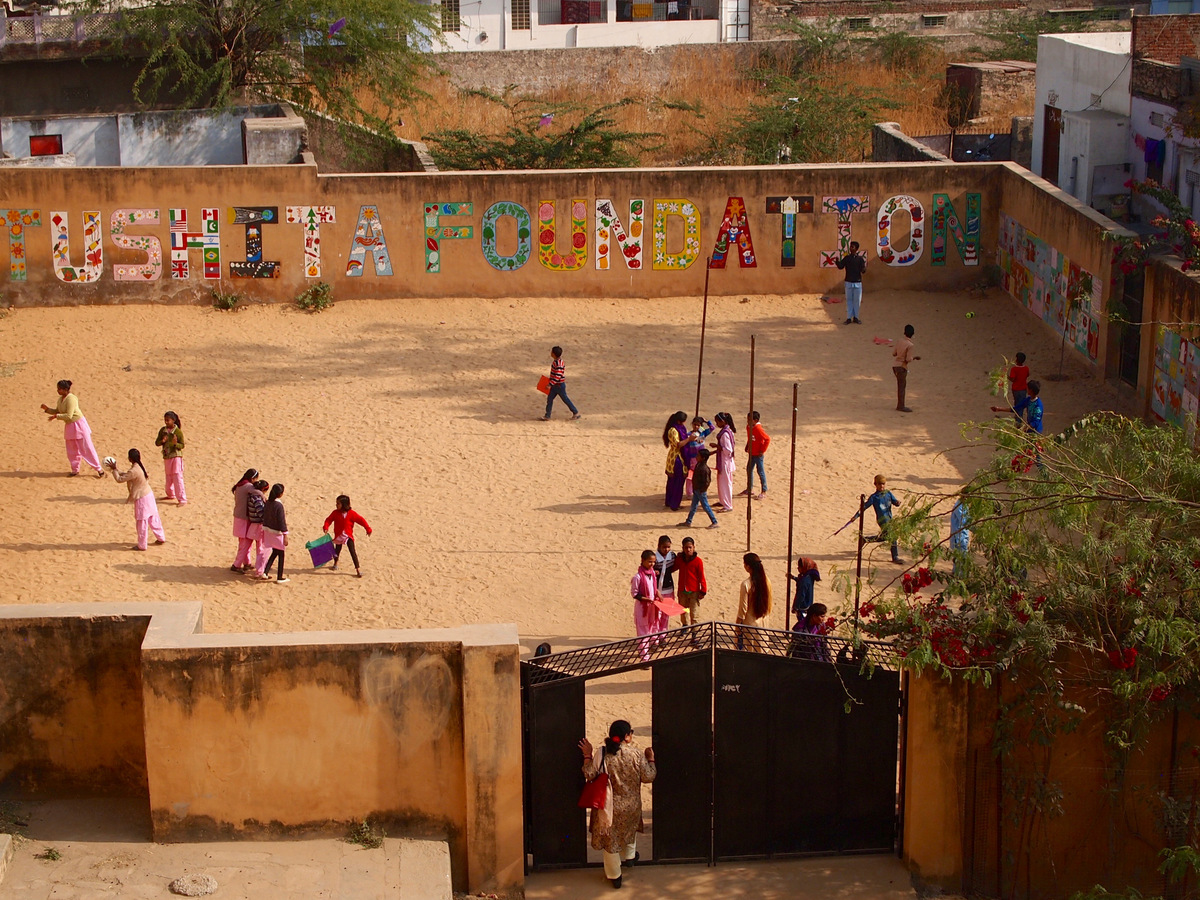
After a few hours and a delicious lunch at Rahela’s, Caroline, Rahela, and I left for the Foundation for Round 2. Along the way, there was not a child to be seen without a kite in his hand. I headed over to the roof with some of the older students, where I could see the children slowly trickling into the playground. When most of the students had arrived, they were lined up rank and file and handed a kite. Over the next several hours, the children, teachers, and volunteers flew, cut, and chased kites in a flurry of excitement. The atmosphere was electrifying. Slowly, the playground transformed into a graveyard of broken, discarded kites. I tried my best to keep up, but my arm began to ache and the cuts on my finger multiplied by the hour, unhindered by my makeshift packing-tape bandaids. Despite my stubborn pride, I came to welcome the increasingly frequent question, “Mam, can I help you with that?”


I wish I could say that days of practicing with incredibly skilled kids and teachers had made me, not a great kite-flyer, but at least an adequate one. But this was simply not the case this Thursday afternoon. Flying kites seems to be such a straightforward, even simple, art. I listened to others’ instructions, followed their advice, and paid attention to every move of the arm and flick of the wrist. But less than ten seconds after I was handed a kite, effortlessly launched hundreds of feet into the air, I would make one innocuous move and it would come plummeting back down. Keeping it in the air, however, is actually the “easy” part; getting it off the ground has baffled me for days. “It has to be some sort of trick,” Will uttered one day, echoing my thoughts exactly. How could everyone else do it with such ease? By the end of the day, I was able to attain some level of mediocrity: I could get the kite into the air, if the wind was particularly kind.  I could even keep it afloat for a minute or two, if the other kite-flyers were also particularly kind (they never are). However, cutting other people’s kites, the most enjoyable part of it all, continues to elude (but motivate) me.


When the evening came to an end, I asked one of my students if he would be flying kites the following day as well. “More and more,” he replied. The more I watch these kids, the more obvious it becomes that flying kites is in their blood. When we left the Foundation, Caroline, Will, Ferruccio and I made our way to yet another rooftop, where we were met with even more kites, more music, and more fun. After darkness settled, and the kites were displaced by bright paper lanterns and fireworks, we finally went home to our final rooftop of the night. The next day, after spending most of the afternoon recuperating from the previous day’s festivities, we grabbed a kite in one hand, some of Bim Singh’s fried snacks in the other, and headed to our roof to do it all again. I can’t remember the last time I had so much fun with 6/100th of a dollar (the cost of a kite)! Makar Sankranti, like many of India’s festivals, was a captivating blend of rich colors, delectable flavors, music, warmth, and intoxicating laughter, and I am so blessed to have experienced it all.
Learning About Generosity and Gratitude

By Purushendra Singh


My name is Purushendra Singh and I am 21 years old, in my final year in Delhi University, studying political science, sociology, international relations and tourism marketing. Political science is the subject I like the most as it revolves around political systems,institutions and governmental bodies and the working of judiciary and executive bodies. I started my schooling from the Loharu Montessori Children’s Houseat the age of 3 and completed my schooling from Mayo, a boarding school in Ajmer, where I took humanities as my stream.


I went to play school when I had just learned how to talk and walk. The first day was like a roller coaster ride, I remember my grand father, who was in his late 70s, with his lean body and spectacles, dropping me at the entrance. He was the one who encouraged me the most and who also helped me later on with my studies. As we approached towards the class I started weeping and did not feel like leaving him; he consoled me and bribed me by saying that a new remote control car will be waiting at home when I would return back from school, so I wiped my tears and entered the classroom waving back at my grand father with a smile. The best time I spent there was near the cage where birds and rabbits used to live and in the playground that had swings and a clay area. I used to spend most of my time sitting in the clay area making things. As we all were very young and cranky, the teachers let us choose the activity we wanted to engage in and just kept an eye on us so that we would not feel alone or left out and then cry. There was not so much pressure put on the children for them to learn numbers and alphabets, rather it was away of learning where the child’s inclination was taken in consideration. As my first day came to a close, I rushed towards the main gate and there was my grand father, waiting for me. I gave him a big hug and told him about all the activities of the day. On reaching back home I was given a chocolate and I had already forgotten about the remote car.


In 2009, my mother’s dream came true when the Tushita Foundation was opened. A strong-headed lady, she wanted to work for the poor section of society and the Foundation she was heading allowed her to do so. I was 15 at that time and could really connect with those students at the Foundation who were almost of the same age. I have been going there from the beginning to teach Geography and English, and also to play soccer and cricket with the students in the playground that we have created. I love spending time with the Tushita Foundation students with whom I can share my experiences and knowledge, hopefully helping them to grow.


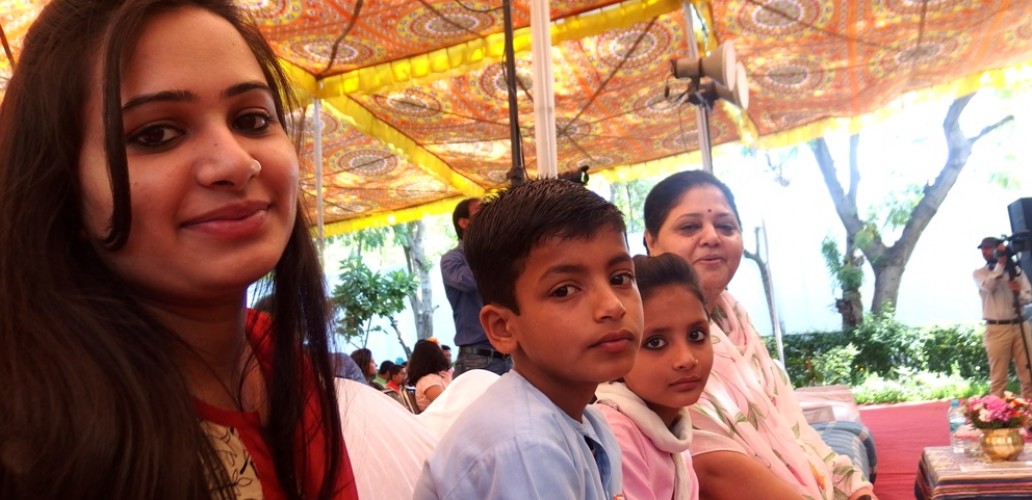
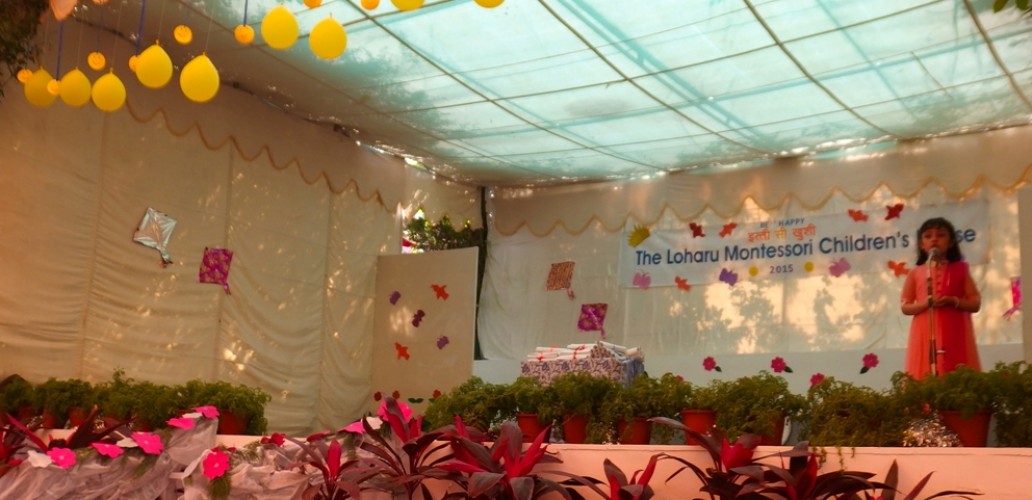
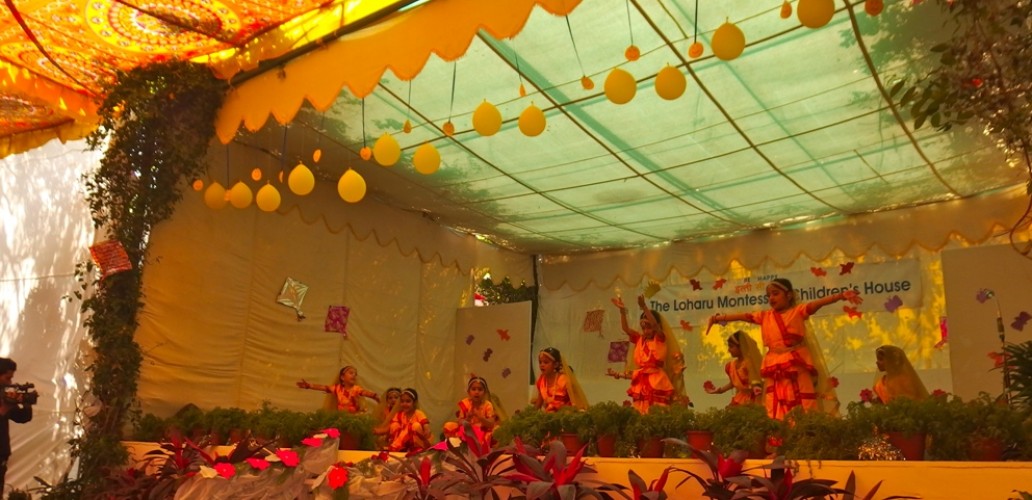
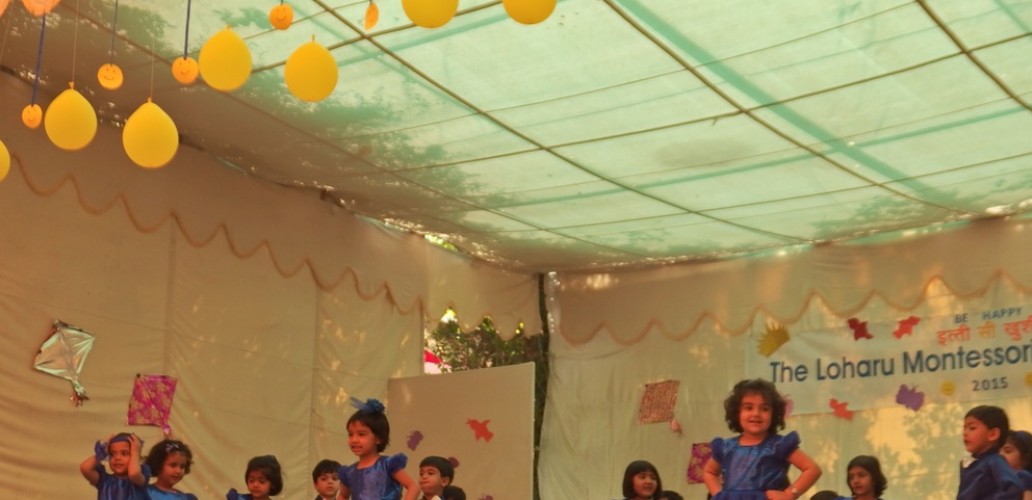
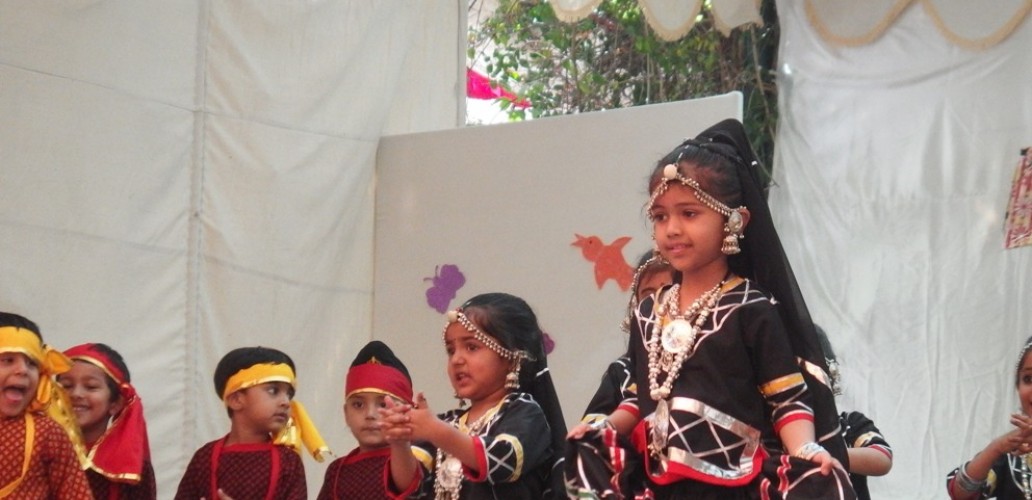
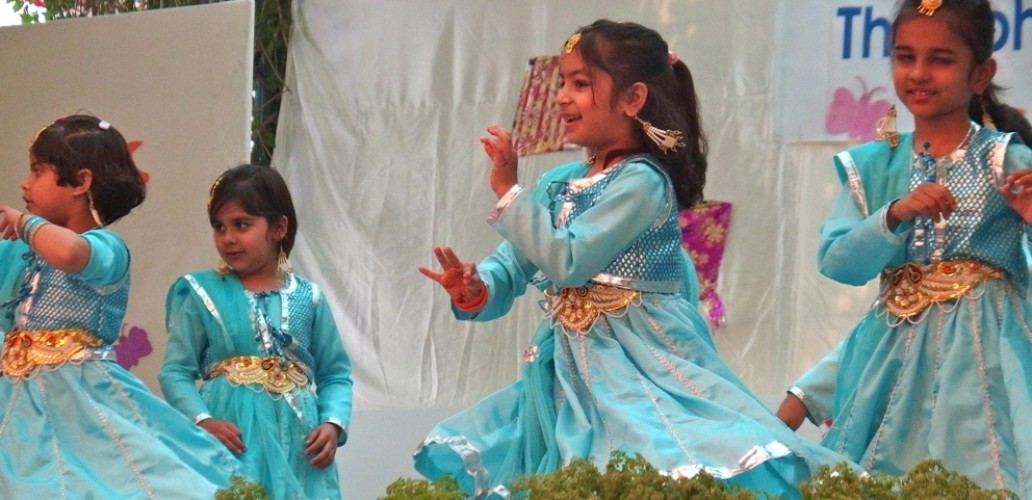
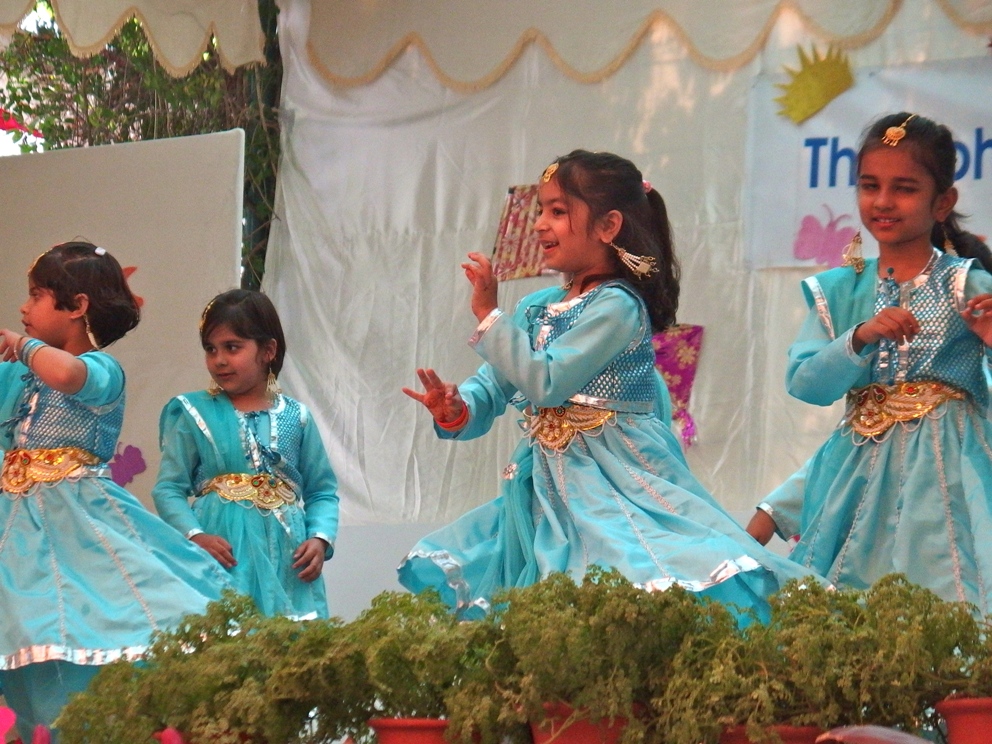
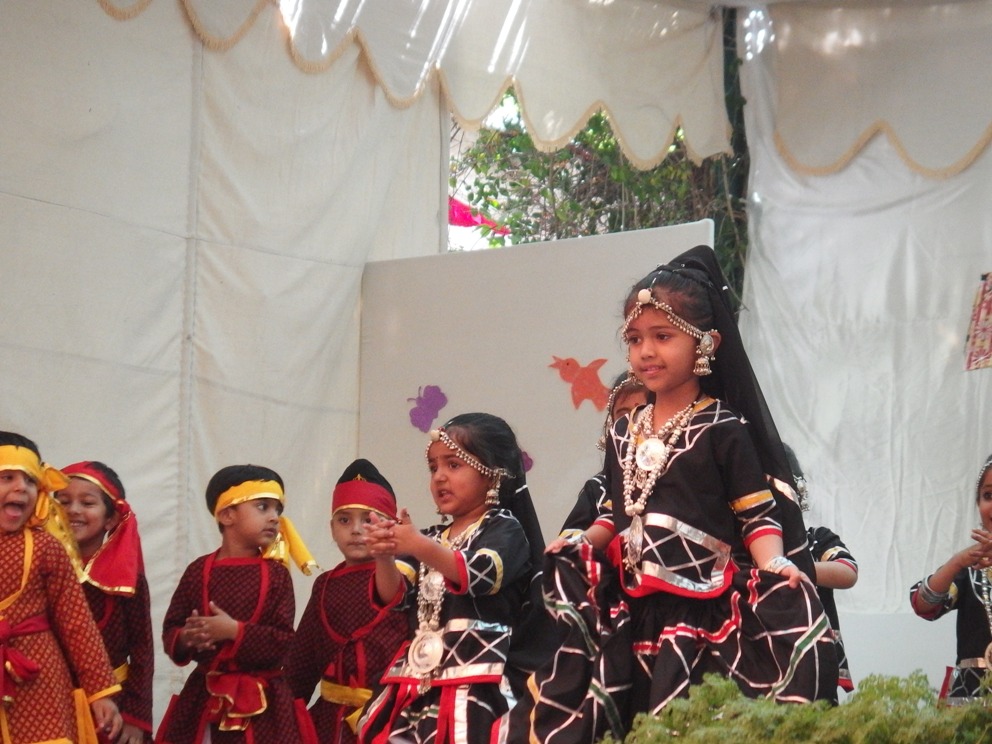
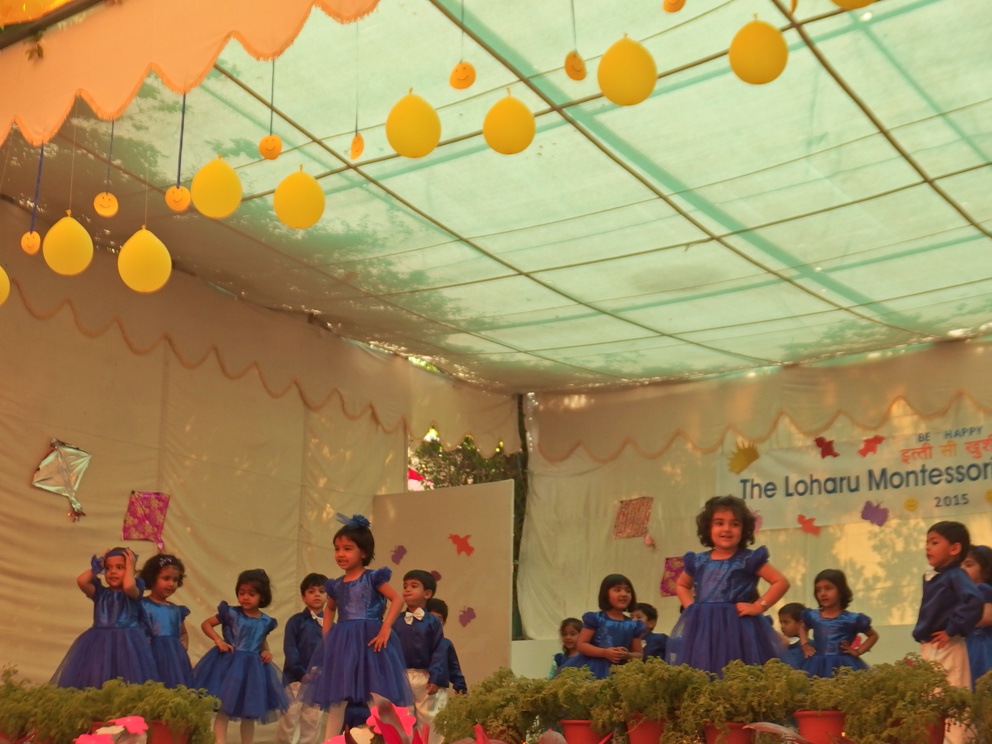
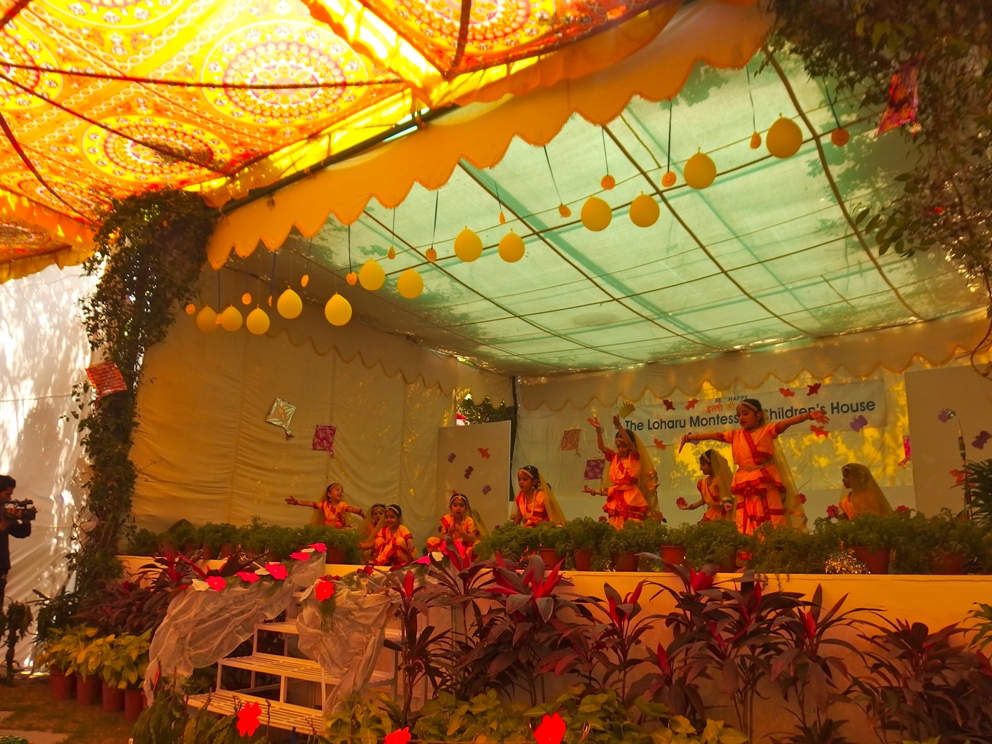
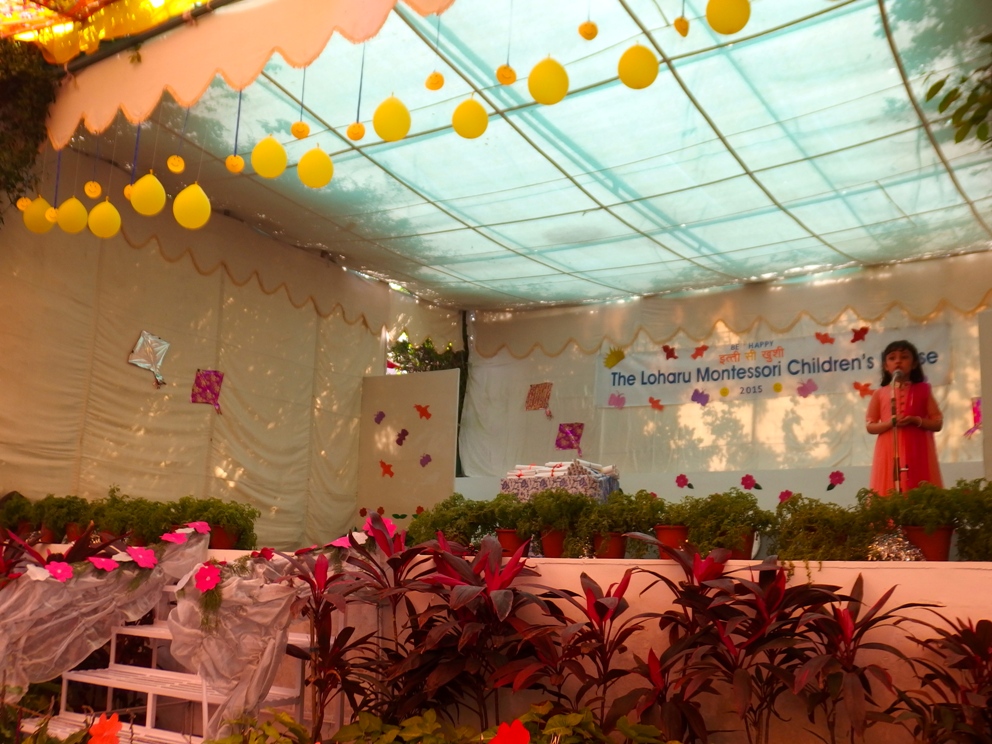
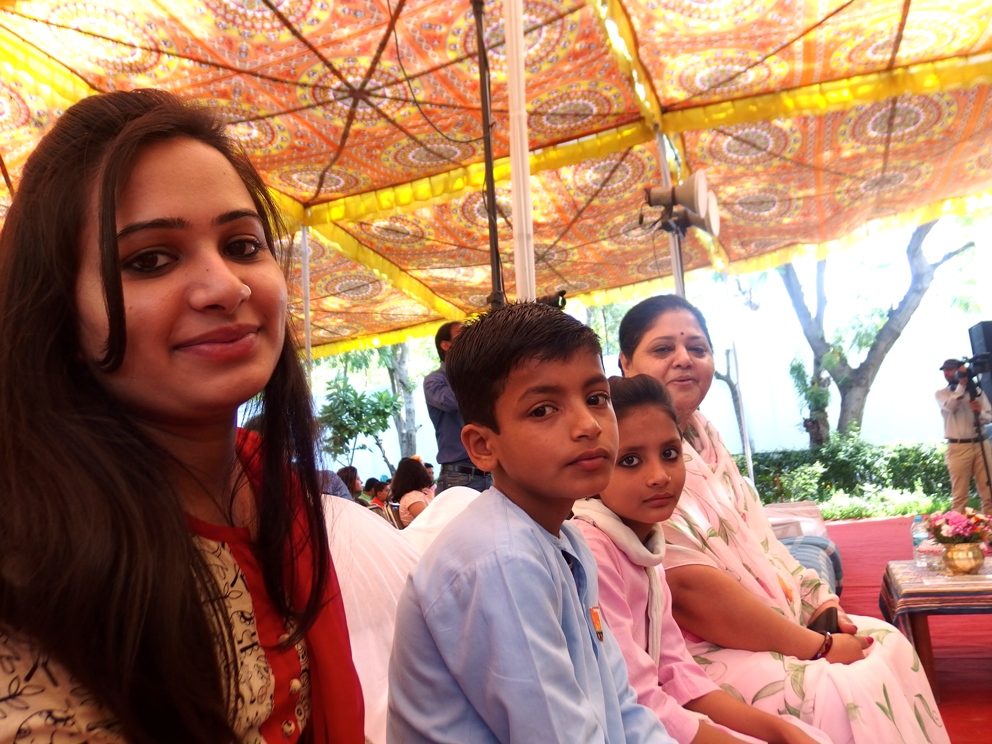
On 22nd March 2015, after 16 long years, I had the pleasure of going back to my first school, where I had a number of good memories, along with two children, a teacher, a volunteer and my mother, now the director of the Tushita Foundation. The Loharu Montessori Children’s House was celebrating their annual day and this year had decided to offera gift to the children of the Tushita Foundation. Every year in fact, the children of the Loharu Montessori House sell their artwork to their parents and gift the proceedings to a noble cause. This year they invited the Tushita Foundation’s children for their annual day and gave them in a cheque all the money that they had collected. It was very touching to see children, at such an early age, learning about their capacity to give, learning about generosity for the more fortunate children of the Loharu Montessori House, and learning about their capacity to graciously receive, to accept with gratitude, for the village children of the Tushita Foundation. Beyond the actual gesture, there was a beautiful exchange of emotions transpiring through the children’s smiles at each other.


The little ones from the Tushita Foundation thanked their generous hosts from the Loharu House with a big banner and now the money will be put to use by providing every child with a bag and an English course book in it. For us the adults facilitating this experience, it was truly heart-warming to see the possibility of a meaningful connection from child to child.

At the Bharatpur Bird Sanctuary

By Alex Murray


An unexpected holiday is now closing, and the air remains crisp from earlier showers. It has been a most busy two weeks. Ten days ago, Rosenda mam and Jan sir arrived. Two days later they were followed by our gracious associate and patron, Isabelle Lambotte. Our time together was a lovely week, filled with hopes, dreams, and a lot of the hard work required to make everything a new reality. Begun with colorful Holi celebrations and concluded with rigorous morning meetings, our week together enjoyed the most wonderful intermission: a joyous visit to Keoladeo National Park, Bharatpur.


Our adventure began in the early morning hours of Sunday the 8th of March. I’ve not made a habit of appreciating mornings as of late and found myself rather groggy was we approached the Foundation at seven o’clock. Much to the dismay of my weary body already gathered was a rambunctious group of Tushita Foundation students giddy with anticipation for a day to come. Having initially made attempts to calm their anticipation, I was forced to welcome their contagion of eagerness and embraced their warmth as energetically as I could. In short order, the group had fully gathered and we made our way to the two coach buses lying in wait. The journey had begun.


Dividing the group of nearly 80 people between two buses, all of us geared up for the long haul ahead. I boarded the bus alongside Federico, Joy, Veenaji, Isabelle, Ruksar, Payal, Ruchi, and the elder students. Our trip was to take us two hundred kilometers east across Rajasthan. Though our route followed a major highway for nearly the entire trip, travel was often slow going ultimately taking us four hours with a brief stop along the way. On the bus, a party ensued.


Much to my surprise, the entirety of our time on the road was filled with non-stop dancing jubilation. Payal and Ruksar had compiled albums of Bollywood’s recent hits, and no reason was found to start out slowly. From the moment we pulled away from Amer, the tunes were blasted and children with teachers alike swayed in the aisle demanding a liveliness beyond anything I could have imagined for the hour. Honestly, I did my best to conserve energy but often to no avail. Avesh and friends never let a moment pass without physically compelling me to take part in their celebration of the road trip.


It amazes me to reflect on that time of high energy and come to the realization that it really did last nearly four hours straight. There were moments I shook to the music like a fool consumed by too much sugar, times when teachers just closed their eyes in rhythmic embrace, and eras of Veenaji’s release in childlike hysteria. I remember fondly being told to look back by Federico. I didn’t see Veenaji; what I did see were her feet raised to the ceiling rocked by the melody of the children around her. It may have been a long ride, but it was one that all of us will remember with smiles beyond comprehension.


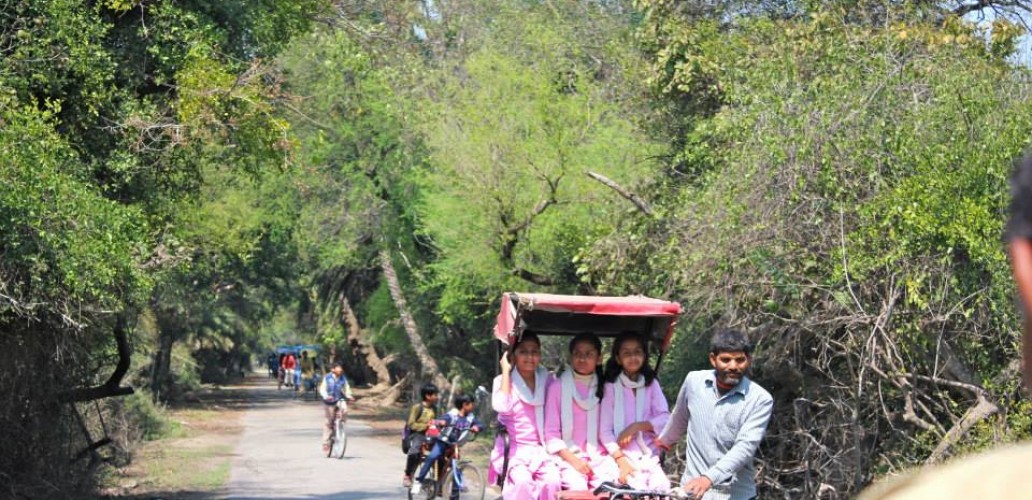
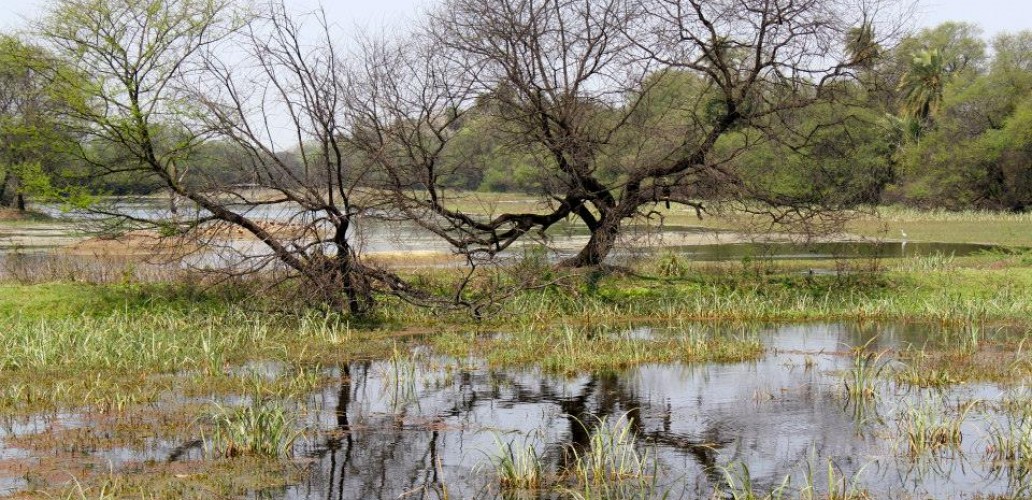
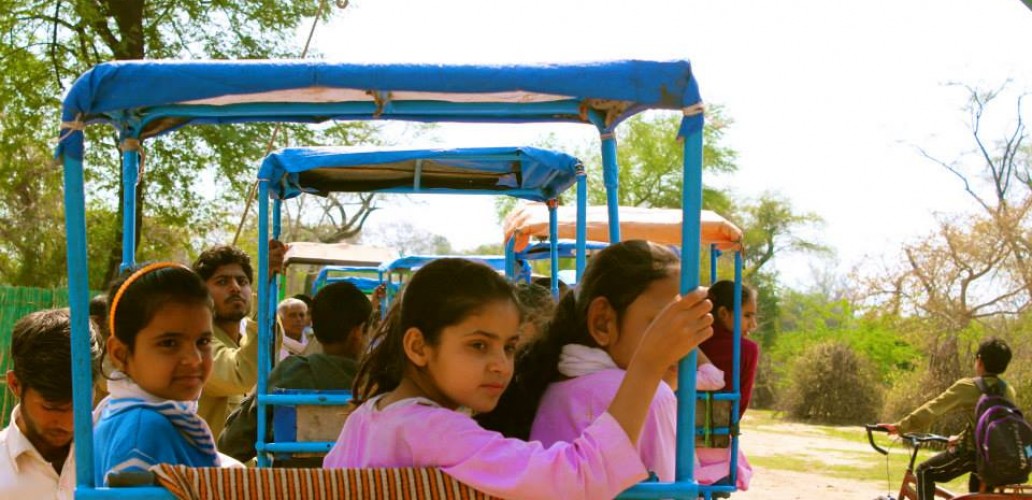
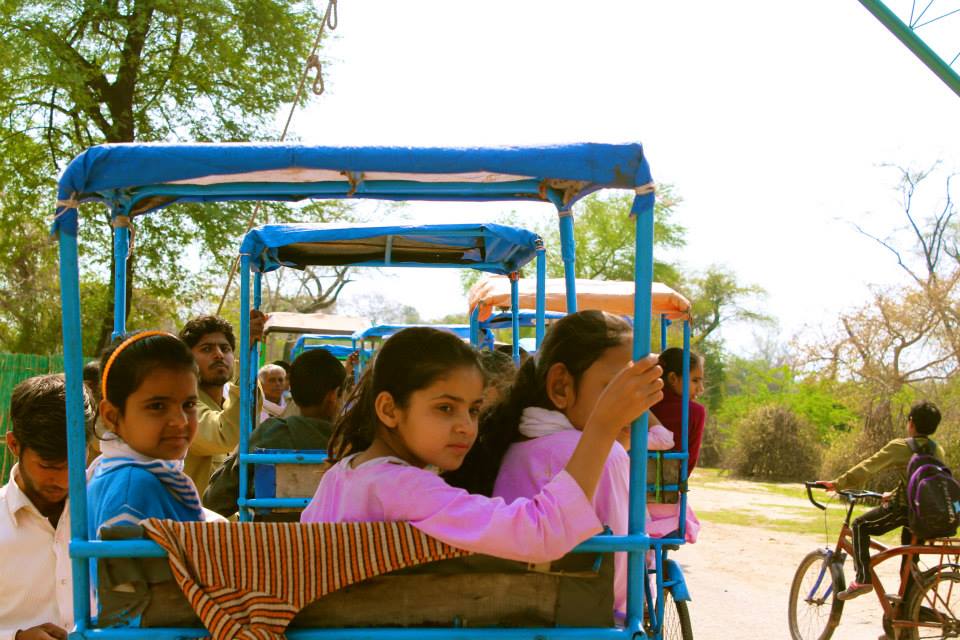
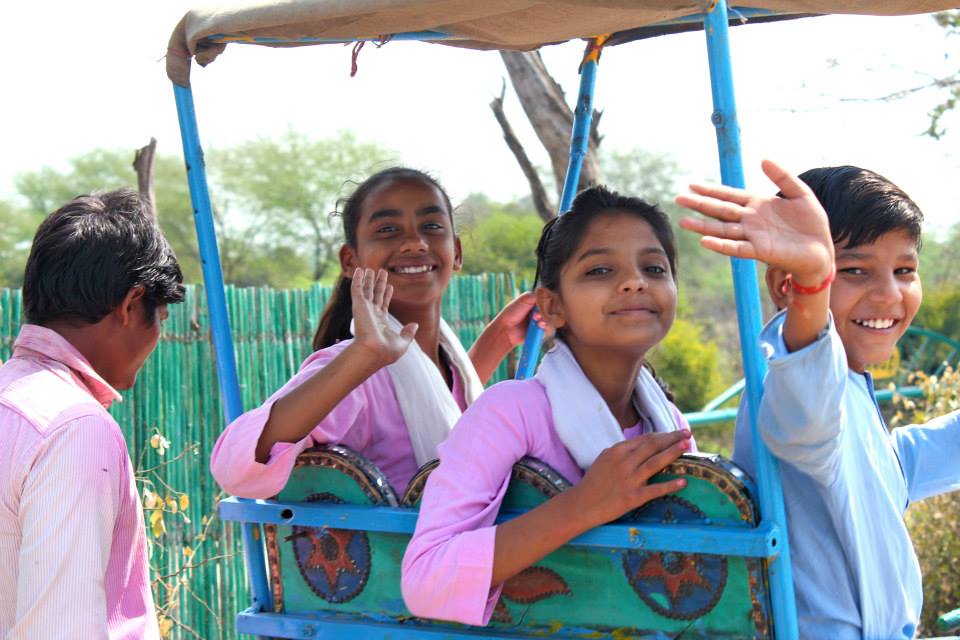
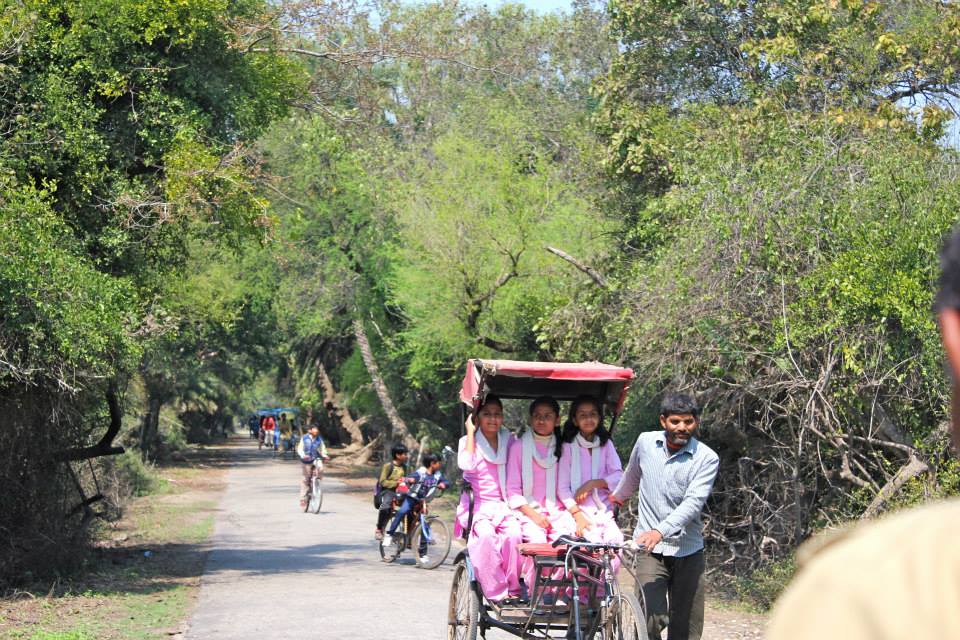
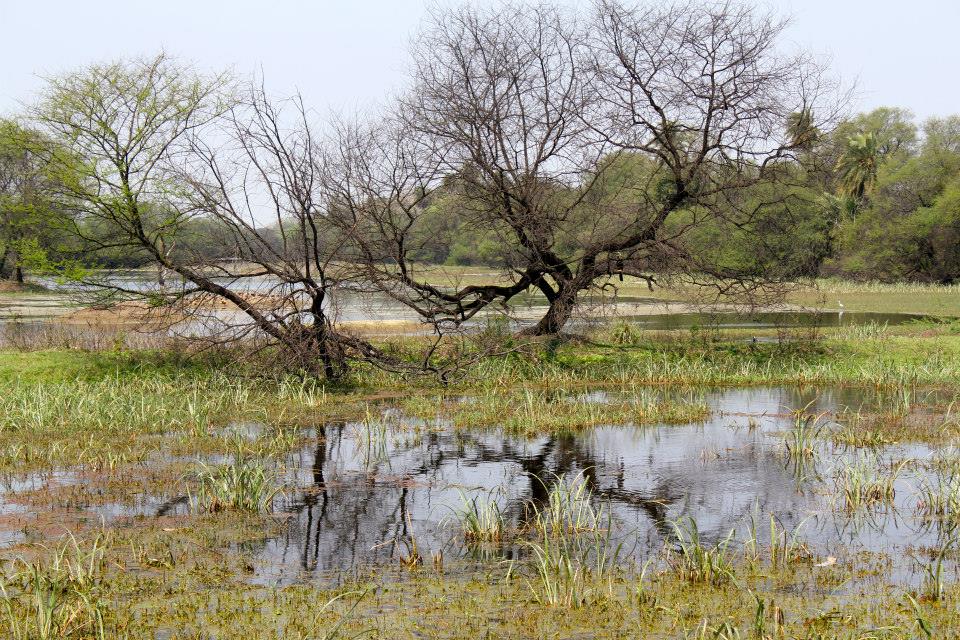
Four hours later with decades of Bollywood hits behind us, the group of students, teachers, volunteers, bosses, and I arrived at Keoladeo National Park. I’ve never been to a bird sanctuary before, and in good faith, I believe neither had any of the students. We reached the spacious wilderness with wide eyes all the ready for whatever was in store. After a brief moment with park guides, in groups of three we boarded a caravan of rickshaws and embarked on a voyage through an India that was. Fields of greenery stretched beyond the horizon; awe inspiring trees lined our path; an inspiring trickle of giggles rode off into an unknown paradise.


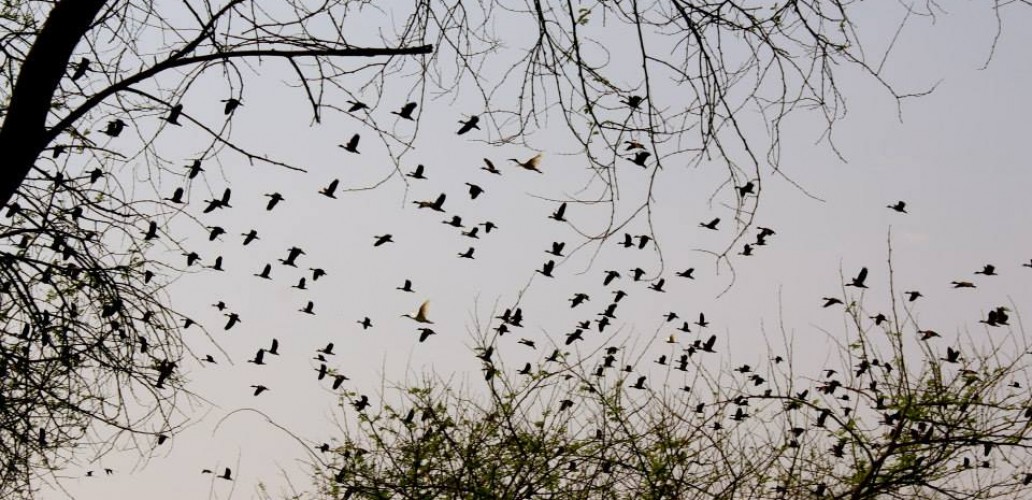
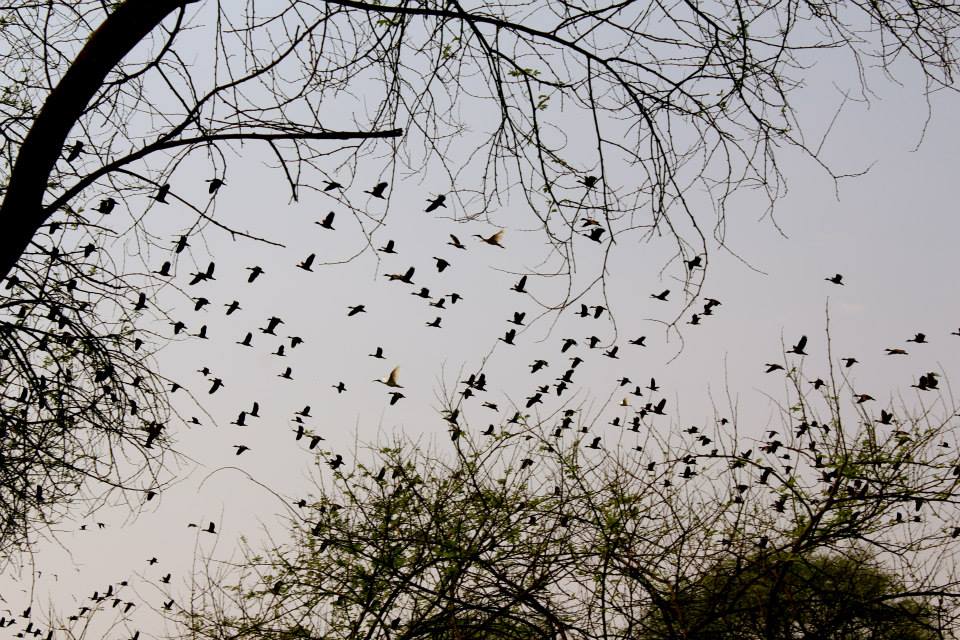
Having realized a slice of what we had gotten ourselves into, the Rinku, Amman, and I gazed off in every direction. Not a moment passed without someone exclaiming, “Look!” Majestic kingfishers darted through the skies as spotted deer caressed the landscape. Time after time I felt a sense of amazement to be sharing these moments with the children around me. This was nothing like the village we had all just come from. Canopies of foliage framed our wonder. Under each tree was a creature to behold. Often we stopped along our escapade, allowing each marvel to marinate in our senses. Herons strutted off in the distance. A light breeze fostered the serenity which captivated us all.


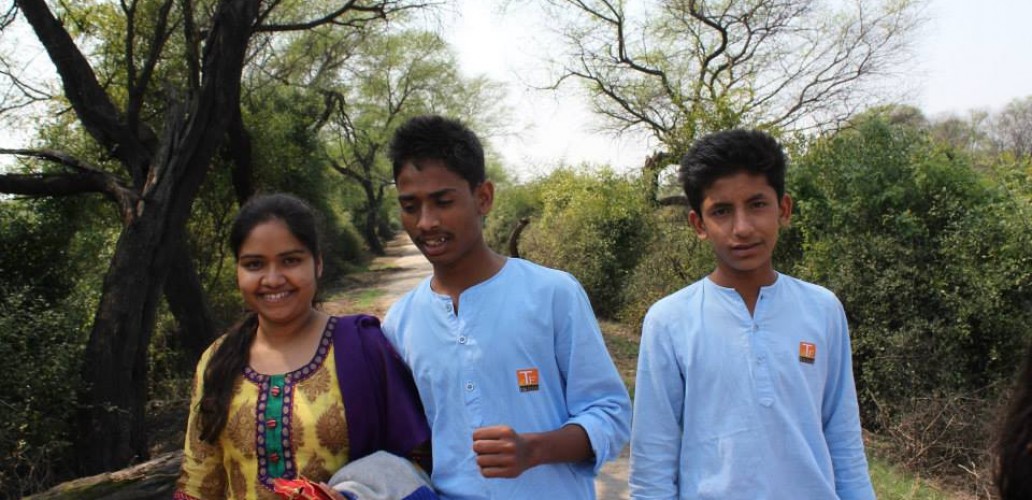
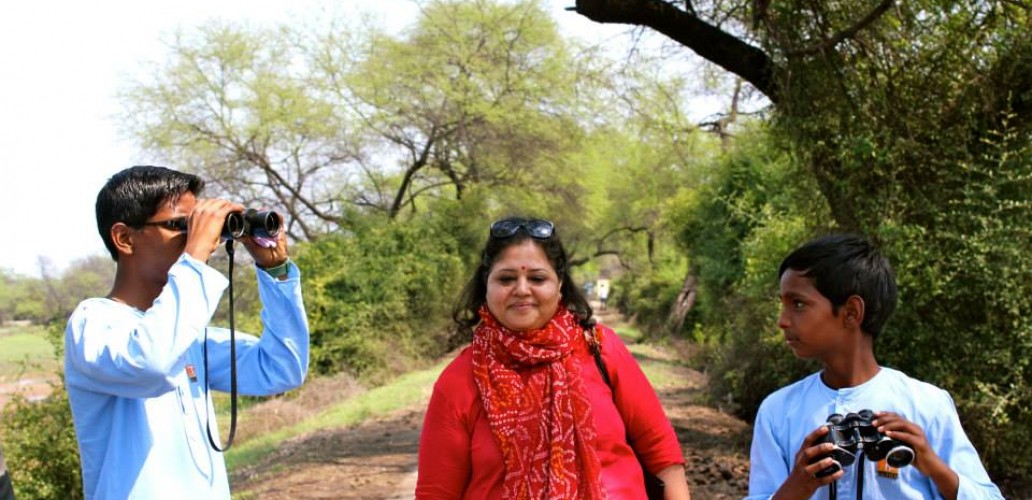
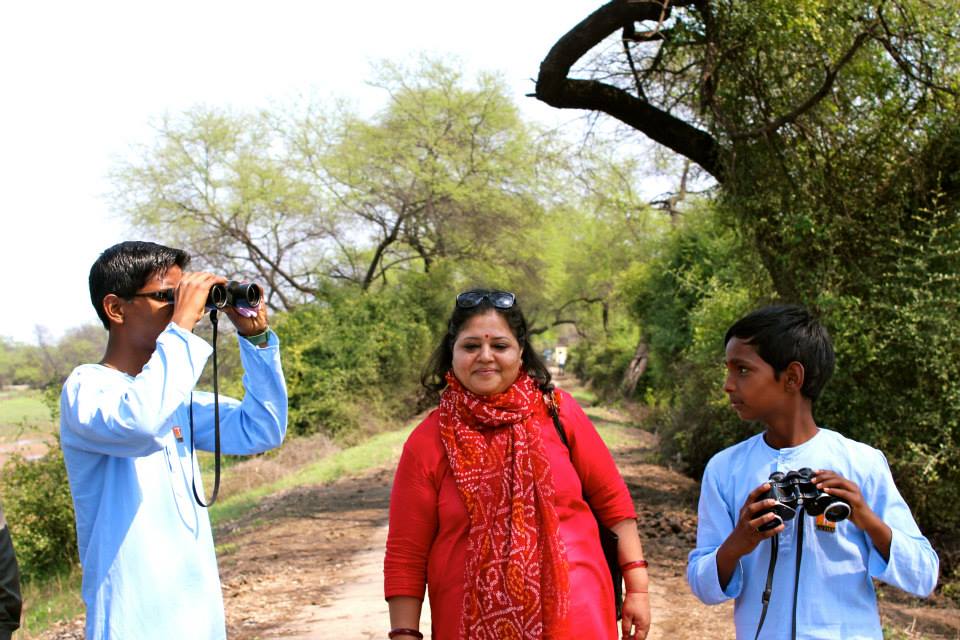
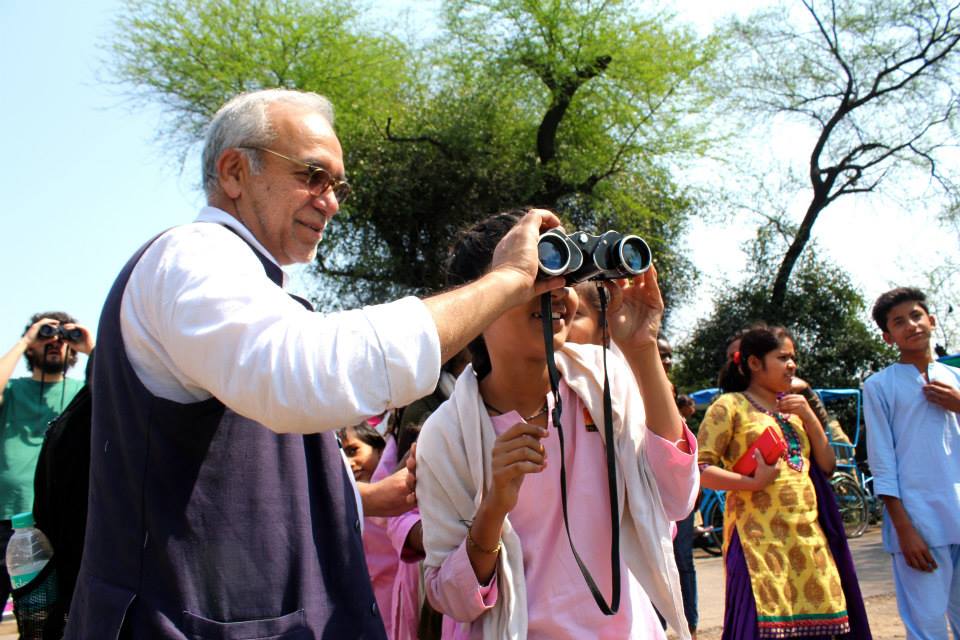
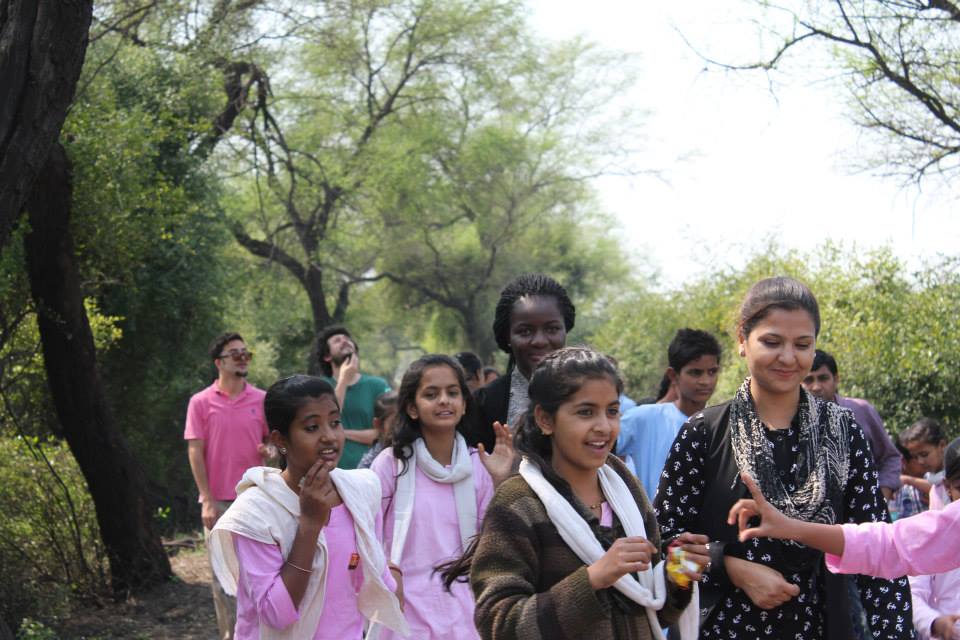
Several kilometers into the park, all of us disembarked from our rickshaws and took a moment to stand within the glory around us. Until that point, the group had become rather segmented. I quickly noticed this was no longer the case. Though from a distance forced by circumstance, I have always viewed Jan sir as a gentleman, a businessman, a renaissance man, a respected father, and a loving husband. There within the expanse of that park, Jan sir became so much more. A connection beyond words manifested itself as a beautiful exchange between him and scores of children. They neatly fell into line, in a manner I’ve never exactly seen before. Each waited patiently to spend a moment with him, sharing in his binoculars and ability to appreciate the majesty around us. We were with nature and everything about that scene felt natural. In no time we boarded our rickshaws to continue on, but I’m sure each child will remember the moment they shared with Jan sir for years to come.
For some time more, the group of us rode deeper and deeper into the sanctuary. Children screamed, unable to contain their excitement at their latest find. Near the center of the park we formed a large mass and walked on keeping ever so close to the guides. Every few meters our guides would stop us and explain whatever happened to be within sight. Each child kept close and quiet, hoping to understand this plethora of gorgeous stimuli. Seeing how captivated Rukiya and Sakina were as they toured hand-in-hand with Federico reinforced just how enthralling it all was.


After what had felt like a mere instant, our time at the sanctuary came quickly to an end. Our final moments were spent racing rickshaws, passing one another, slipping ahead as if our destinies depended. Words were exchanged by everyone hoping to be the first to where we had begun. The time at Keoladeo had reached its logical conclusion, and in no time we were once again aboard the bus.


Rather than making our way directly home, a lunchtime feast had been organized for all to enjoy. Shortly after departing the park we landed ourselves at a palatial hotel oasis. A full spread of bread, rice, paneer, vegetable curries, soups, and snacks awaited our patiently cultivated hunger. Quickly, we all ushered through the washroom, cleansed ourselves for the awaiting meal, and dove into the smorgasbord provided. Though many of the “adults” shared a table, I found myself belly-up to one of the students’ tables gorging myself on naan and delicious Indian delicacies. All of us surely took more than we needed, but true to form we reflected our gratitude and consumed it all. I’ve become accustomed to meals like these during the many months past; however, on that day I was worried Vishal and Avesh might need to roll me back to the bus.


As the children finished their meals, the hotel courtyard provided the perfect space for kids to be kids. I casually sat on the veranda sipping espresso as the teachers and I watched over the gang of children making the most of this Sunday adventure. Boys chased girls, girls chased boys, boys chased boys, and girls chased girls. I’m not sure how they found the coordination to accomplish all of this after the day we had all been through, but it was a beautiful sight to see. I have fond memories of the story Federico shared with me at this time. Apparently he too had been relaxing in the shade as all of this was going on, only to be approached by little nine year old Samiyra. Cute as can be, she tugged at his side demanding his attention. Once he finally realized what was going on, he engaged with her enquiring as to what was the matter. As any child might honestly ask, she gazed around the property and asked if we had just spent lunch at Veenaji’s house. As another half hour or so passed us by, we watched the children and Veenaji alike. She was one of us, but also one of them, and for that we all loved her. Maybe Samiyra had believed we were at Veenaji’s house, and looking back on the moment, I honestly feel as though we were.


The rest of the day was consumed by a long commute back to Amer. Once again music was blasted, dances rocked the bus, and Veenaji let her hair down. I’m not sure how we all did it, but we did. That day was truly fantastic. An early morning village sunrise followed by a joyful cruise to destiny. An afternoon in paradise proceeded by a feast in Veenaji’s palace. Everyone expressed what it meant to be themselves: happy and free. The picture which will always remain in my mind’s eye is that of Veenaji, duppatta wrapped into a turban, dancing all the way home with a group of students cheering as peers.

The reason I’m here in India at all

By Sharyn Pridham


As you know, I’m here in Jaipur, India helping teach English at Tushita Foundation to children in the nearby village of Amer. The web-site, www.tushitafoundationindia.org, will give you information on history and purpose, however, now that I’ve been here for six weeks, I’d like to tell you a little about it from my personal experience here.


To me, Tushita Foundation is an example of altruism in its purest form. It is the dream child of four very special people and everything that Tushita Foundation is, is because they had a dream to give children the chance at a better life by teaching them English, an opportunity these children would not otherwise have. This is particularly compelling It is all the more when you consider that only recently could a person in India hope to achieve a position in a occupation outside of that prescribed by the caste he/she was born into.


Attendance at the Foundation is free for the children and they are provided with their uniform, school supplies and a fruit everyday. Just having a fruit a day is a big thing for these children, the benefits of which have already been observed in the health of the children.


School days in India run Monday through Saturday and the children come to the Foundation between 2 and 6 pm after their regular school day, however, attendance can be sporadic for numerous reasons, for example, school hours change seasonally at their regular school, so they can’t get to the Foundation. Parenthetically, at first I thought it was a long school day and week compared to ours, but I’ve come to realize that there are many more days on which there is no school or, when a student will not be there. For example, a traditional Hindi marriage ceremony spans 10 days (!), and a student be away for that time.


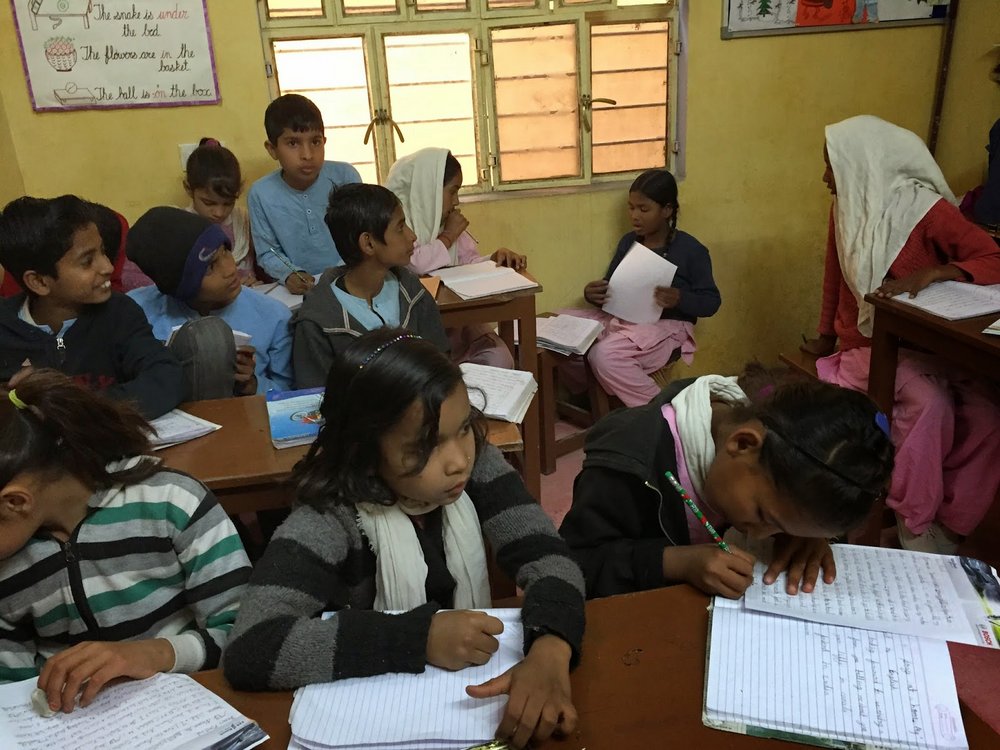
You will notice from pictures that there are not classrooms such as we know them, and in fact, one teacher’s space is the hallway entrance to the building. To see the use of school supplies here is an eye opener. While in Canada, our children typically have their own pack and pencil case with a multitude of pens, pencils and markers, here there is a pen or pencil for each student, kept in a small tin. There is one tin of coloured pencils. To see these children use these pencils is to know how wasteful we can be in North America. These students use pencils down to the stub and the erasers right down until its so tiny that only small fingers can even pick it up. They make do with the little plastic sharpeners and share erasers.


And share they do. From time to time, you will see a little grabbing but most of the time, no. Boys and girls alike look out for the younger children and its not at all unusual to see friends hand-in-hand or arm-in-arm – again boys and girls alike into young adulthood.


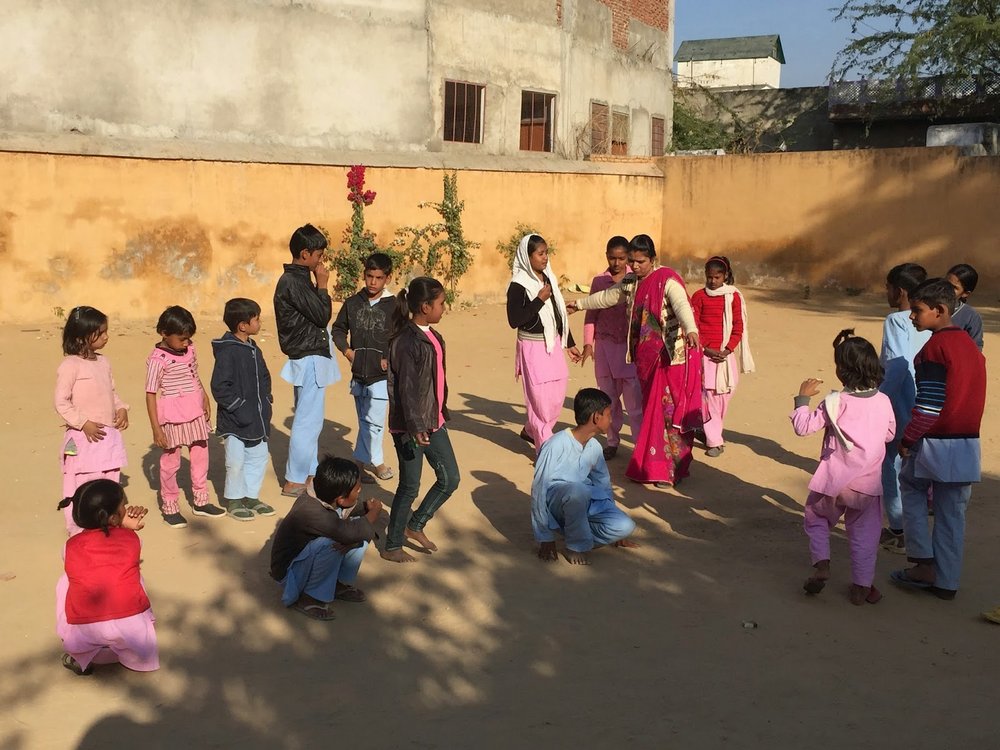
The bigger contrast, however, is the interaction between the teachers and students – its so much different here. There is teaching of course, but there is also interactive conversation between teachers and students , both in the classroom and in the playground. For example, recently, one of the teachers had to take her child to the hospital and the children in her class asked her about what happened when she arrived. A teacher’s birthday is celebrated by colleagues and students alike and pictures of a teacher’s recent wedding eagerly viewed by the students! There is laughter between students and teachers in the classroom and the playground is a delight to see as teachers, volunteers and students alike participate in games – whether it be badminton, kite flying or, hide and seek with the little ones. Its quite lovely.
 

The children themselves – well, they’re children so they’re wonderful! Everyday, there is a chorus of “Good Afternoon Ma’am” from smiling faces as they troop happily file into the building. When the fruit comes, they all want to share with the teachers and they can be pretty persistent (I’ve come to realize that the answer “no” to an offer of food is just a prelude to numerous other offers!) They are smart, eager to learn and appreciative.


This Foundation is still in its infancy – this being only its sixth year and everything that has been done has been done by with one single guiding principle and that is: will it benefit the children”. They have big dreams for the children – bigger classrooms, a library, a computer room, visits by doctors, to dentists and the like, but it takes time especially when its entirely self-funded.


Currently only four volunteers at a time are invited and I feel so lucky to be a part of this endeavour and truly blessed to be here and be part of this incredible level of selfless caring. A small adjacent museum room displays Teresa’s worn sandals and battered enamel dinner bowl. Located upstairs is the room where she worked and slept from 1953 to 1997, preserved in all its simplicity with her modest camp bed and an unexplained framed airline route-map. The site is around 15 minutes’ walk from Sudder St, walk along Alimuddin St, then two minutes’ south. It’s in the second alley to the right (after Hotel Heaven).

The Melody of India

By Phelbé Pace


Music talk in Paris 18


“This experience will be outstanding for you, definitely”. A man and I are sitting in front of each other in a random bar located nearby the Music Academy of Paris 18th district. I am trying to describe to him the project I have been given the chance to lead for the upcoming summer: teaching English through music to the kids of the Tushita Foundation in Amber, Rajasthan. As I am listening to him, I know my summer experience starts here, with this man from Argentina, who speaks French perfectly and whose story echoes the one I’m about to have in India.


Many years ago, he came to France to become a choir director. In a country impregnated with restraint and rationality, he learnt – maybe unintentionally – the necessity of “cultural adaptation”. As a music professor, he also got progressively aware of how important flexibility was in teaching, particularly to a group of children. The kids he had been inspiriting so far had all been different: crippled and shy, novice and curious, or musically gifted and fascinated. Obviously, the transmission of his musical knowledge had never been based on selection. Now that I am facing him, I can almost read in his mind his personal belief: “everyone deserves music”. He is one of those dear defenders of citizens’ musical rights.

Read More